Japan's Forgotten Pilgrimage Routes: Walking the Old Roads
Beyond the Kumano Kodo crowds, Japan has dozens of old pilgrimage roads still walkable. Five routes, their history and how to hike them.
A country where the infrastructure is so good that the wild parts feel like a genuine discovery.
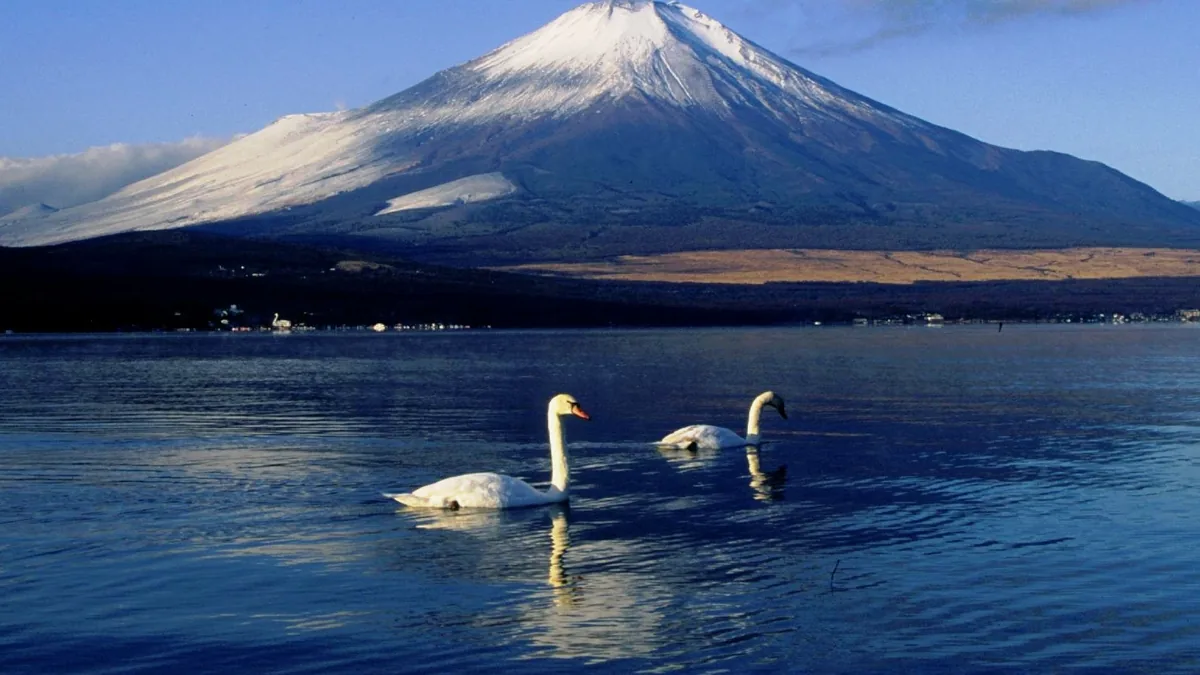
Japan rewards travellers who step one stop further than everyone else. The famous corridor — Tokyo, Kyoto, Osaka — is efficient and unforgettable, but the country's real exploration payoff is in the Japan Alps, the pilgrimage trails of Kii and Shikoku, the volcanic south, and the quiet coastlines of the Sea of Japan side. Trains reach almost everywhere, mountain huts take bookings and serve hot meals, and the trail signage is better than in most of Europe.
Reference facts for planning Japan.
Where the good months sit, and why.
late March – April
Cherry blossom and mild temperatures. Book accommodation months ahead; it is the busiest window of the year.
October – November
The best overall choice. Stable weather, autumn colour, and the alpine huts are still open in the first half of October.
December – February
Powder snow in Hokkaido and the Japan Alps, plus the Sapporo Snow Festival. Cities are cold but clear.
Months to think twice about: Late June to mid-July is the rainy season across most of the country, and August to September is typhoon season in the south and east. Mountain huts mostly close from mid-October.
The places that justify the trip, and the guides we have written for them.
Nagano, Gifu
Three mountain ranges with a mature hut system, onsen at the end of the day, and routes from gentle to genuinely serious.
Wakayama
A network of pilgrimage paths through cedar forest, usable in short sections and dotted with small family-run lodgings.
Shikoku
A 1,200 km circuit you can walk in full or drive in a week. The island stays quiet even in peak season.
Tohoku, San'in, Kyushu
Where Japanese travellers go when they want to escape the crowds — and where prices drop noticeably.
Around 70 countries and regions have visa-exempt status for short tourism stays, typically 90 days.
Check current exemption lists and any electronic travel authorisation requirements on the official Immigration Services Agency of Japan site before booking.
Rough per-person costs, excluding international flights.
Three ways to structure a trip, depending on how much time you have.
10 – 12 days
Tokyo, Hakone, Kyoto, Nara, Osaka. Add a night in a temple lodging for one leg.
10 days
Tokyo, Matsumoto, Kamikochi, Takayama, Shirakawa-go. Best in autumn; bus and train only, no car needed.
8 – 10 days
Fukuoka to Kagoshima via Mount Aso, Beppu's hot springs and Yakushima's ancient cedar forest.
Japan's rail network is the reason a car-free trip works. Shinkansen cover the long legs, local trains and buses reach the mountains, and IC cards (Suica, ICOCA and others) work across most urban systems. Rural bus timetables can be sparse — check the last departure before you rely on one.
Japan is one of the safest countries in the world for street crime. The real risks are natural: earthquakes, typhoons, volcanic activity around active peaks, and hypothermia on mountains that look deceptively accessible. Mountain huts and trailheads post warnings in English; take them seriously.
Long-form guides published for this destination.
Beyond the Kumano Kodo crowds, Japan has dozens of old pilgrimage roads still walkable. Five routes, their history and how to hike them.
Skip the crowds and explore Japan off the beaten path. From rural Hokkaido to island chains in the Seto Inland Sea.