The Hidden Hot Springs of Iceland Beyond the Blue Lagoon
Natural hot springs and small local pools across Iceland that stay uncrowded. Where they are, how hot they run and the etiquette that keeps them open.
A whole country of geology you can drive around in ten days, if the weather lets you.
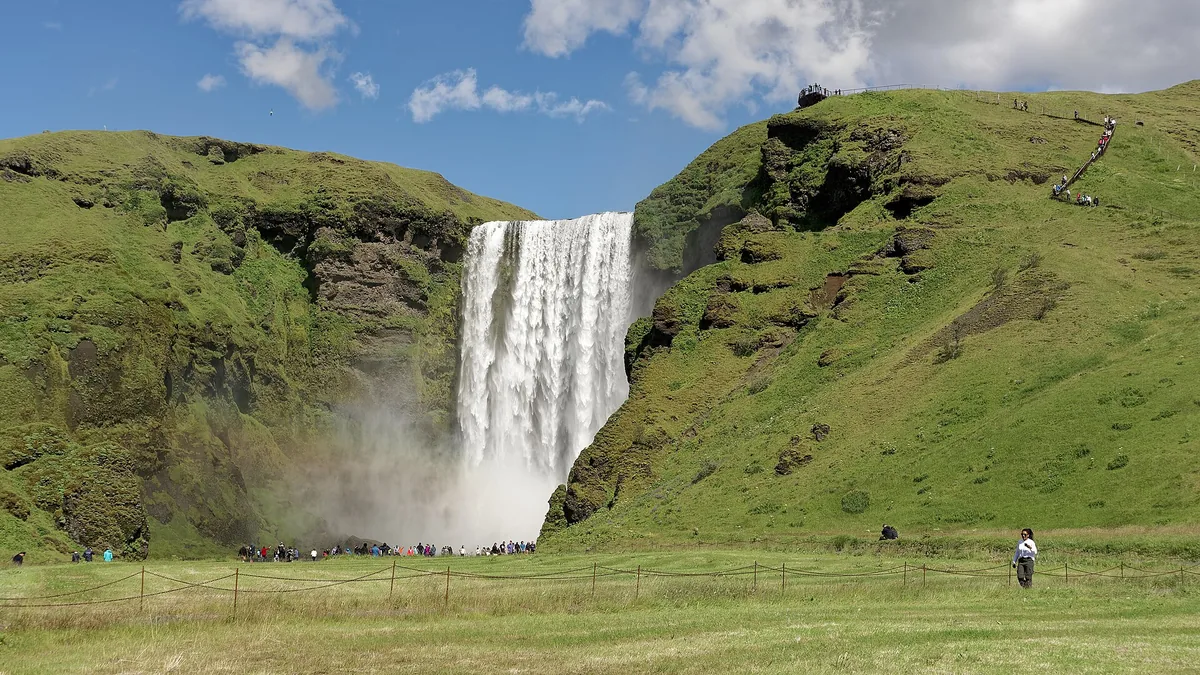
Iceland is a young island sitting on the mid-Atlantic ridge, and it shows. Glaciers, volcanoes, black sand, geothermal fields and waterfalls sit close enough together that a single day's drive can cover several distinct landscapes. It is also expensive, windy, and changeable enough that a single trip can give you four seasons before lunch. The Ring Road is the obvious framework, but the real highlights are often a short drive off it.
Reference facts for planning Iceland.
Where the good months sit, and why.
June – August
Midnight sun, all roads open, highland routes accessible and the full hiking season. Everything is busy.
May and September
The value pick. Long days, fewer crowds, and aurora season starts again in late September.
November – March
Northern lights, ice caves and snow-covered landscapes. Expect short days and roads that close without notice.
Months to think twice about: Booking a rigid winter itinerary. Storms close roads and cancel tours regularly, and driving conditions change within an hour. Always build in a spare day around your flight.
The places that justify the trip, and the guides we have written for them.
Route 1
1,332 km around the island, and the single most efficient way to see the country's range in one trip.
Central Iceland
Landmannalaugar and Askja: accessible only in summer and only with a capable vehicle, but unlike anything else in Europe.
South coast
Where icebergs calve off the glacier and drift out to sea. Best in winter light, or at dawn in summer.
Northwest
The least-visited region, with dramatic fjord roads, seabird cliffs and almost no crowds even in July.
Iceland is in the Schengen area; most visitors enter visa-free for up to 90 days in any 180-day period.
Verify requirements with the official Icelandic Directorate of Immigration or your nearest Icelandic embassy.
Rough per-person costs, excluding international flights.
Three ways to structure a trip, depending on how much time you have.
10 – 14 days
The whole country clockwise from Reykjavík. Ten days is the minimum that does not feel like a driving test.
4 – 5 days
The compact option if you have less time: Þingvellir, Geysir, Gullfoss, waterfalls and the glacier lagoon.
3 days
"Iceland in miniature" — glacier, lava fields, cliffs and black church, two hours from the capital.
There is no passenger rail in Iceland. You drive, take a bus tour, or fly between Reykjavík and Akureyri. The Ring Road is paved and well maintained, but single-lane bridges, gravel shoulders and sudden wind mean you should check road conditions and weather forecasts every single morning.
The weather is the hazard. Wind can tear car doors off; sandstorms in the south strip paint; rivers on highland tracks rise fast. Check the official road and weather services daily, never walk out onto a glacier or into an ice cave without a guide, and stay behind barriers at waterfalls and geothermal areas.
Long-form guides published for this destination.
Natural hot springs and small local pools across Iceland that stay uncrowded. Where they are, how hot they run and the etiquette that keeps them open.
A complete Iceland Ring Road itinerary for 7 to 10 days. Waterfalls, glaciers, black-sand beaches, and practical driving tips.