Beyond Machu Picchu: 8 Inca Sites Almost Nobody Visits
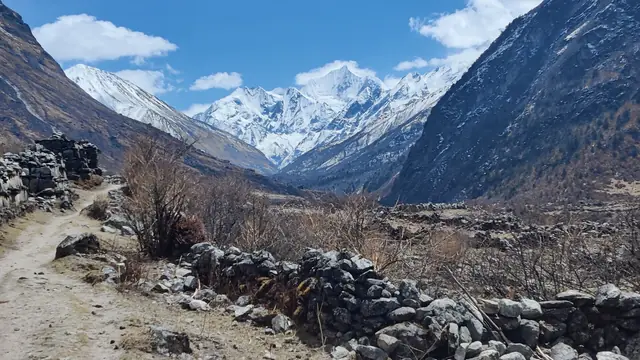
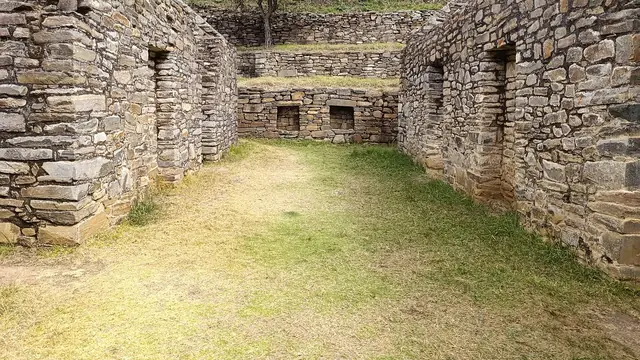
Choquequirao, Wari terraces and fortress complexes that see a fraction of Machu Picchu's visitors. Where they are and what the hike involves.
Three landscapes stacked vertically: desert coast, Andean range, and Amazon basin headwaters.
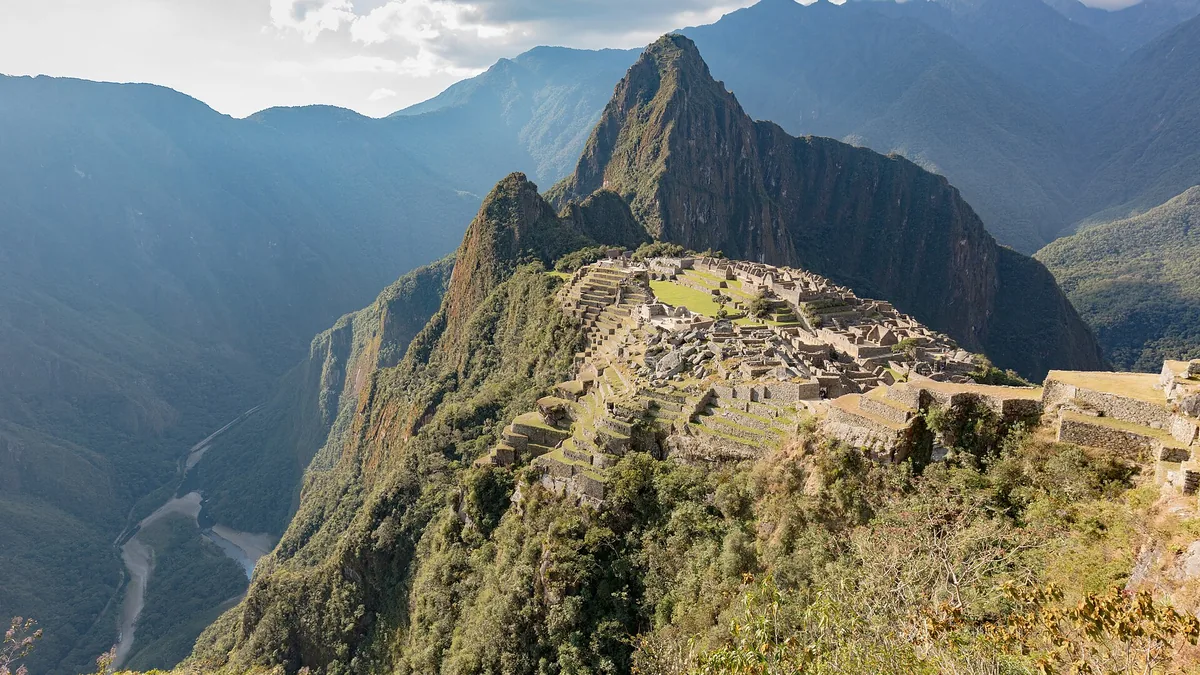
Peru compresses an extraordinary range into one country. You can stand on Pacific desert cliffs, cross a 4,600 m Andean pass and descend into cloud forest within a week. It is also the country with the most developed trekking infrastructure in South America, from the heavily regulated Inca Trail to multi-day circuits in the Cordillera Blanca that see a fraction of the traffic. Altitude is the recurring theme — Cusco sits at 3,400 m, and most visitors feel it on day one.
Reference facts for planning Peru.
Where the good months sit, and why.
May – September
The Andean dry season and the standard trekking window. Cold nights above 4,000 m, clear days.
April and October
Good weather with noticeably fewer people on the classic routes.
November – March
Afternoon rain in the mountains. The Inca Trail closes for maintenance each February, but the coast is at its best.
Months to think twice about: Flying straight into Cusco and starting a demanding trek the next morning. Spend two or three days acclimatising at altitude first; it is the difference between a great trip and a miserable one.
The places that justify the trip, and the guides we have written for them.
Andes
Inca terracing, salt pans and weaving villages, all at altitude and all worth a slow approach.
Huaraz
The largest tropical mountain range on earth. The Santa Cruz trek and day hikes to turquoise lakes rival the Himalaya for scenery at a fraction of the cost.
Southern Peru
Twice as deep as the Grand Canyon, with condors on a reliable morning thermal and hot springs at the bottom.
Madre de Dios, Iquitos
Lowland rainforest with clay licks, oxbow lakes and genuine remoteness a short flight from the mountains.
Most Western visitors enter visa-free for up to 90 days as tourists.
Confirm entry rules with Peru's official immigration authority (Migraciones) before travelling.
Rough per-person costs, excluding international flights.
Three ways to structure a trip, depending on how much time you have.
10 – 12 days
Lima, Arequipa, Colca Canyon, Puno, Cusco, Sacred Valley, Machu Picchu. Acclimatise in Arequipa and the Sacred Valley first.
10 – 14 days
Huaraz base with the Santa Cruz trek or day hikes to Laguna 69 and Churup. Peru's best-value mountain trip.
12 days
Trujillo's adobe ruins, Chachapoyas' cloud-forest fortresses, then down into the jungle.
Peru is a bus country for most budgets, with comfortable overnight services on the main routes. Domestic flights save a day between Lima, Cusco, Arequipa and Iquitos and are worth it if time is short. Trains serve Cusco–Machu Picchu and Puno–Cusco at premium prices. Roads in the Andes are improving but remain slow and winding.
Altitude is the main health risk; take the acclimatisation advice seriously. Petty theft and bag snatching occur in tourist areas of Lima and Cusco. Some remote border and coca-growing regions have a poor security record — check current government travel advice for the specific areas you plan to visit, and use registered operators for treks.
Long-form guides published for this destination.
Choquequirao, Wari terraces and fortress complexes that see a fraction of Machu Picchu's visitors. Where they are and what the hike involves.
Essential gear and preparation tips for high-altitude trekking. Acclimatization, layers, footwear, and safety equipment.
The ten most dangerous hikes in the world, from Huashan's plank walk to Everest, and the preparation, gear, and judgment needed to survive them.