
Gear
The Ultimate 3-Day Hiking Packing List (Beginner Edition)
Key takeaways
- Focus on the big three: pack, shelter, and sleep system.
- Dress in moisture-wicking layers and never bring cotton.
- Carry the ten essentials, including a map, compass, headlamp, and first-aid kit.
- Aim for a base weight under 20 pounds for a comfortable first trip.
A three-day hike is the sweet spot for beginners. It is long enough to escape into the wilderness, but short enough that the packing list stays manageable. The key is bringing what you need without overloading your back. This guide breaks down the ultimate three-day hiking packing list for beginners, from shelter and sleep systems to clothing, food, and safety gear.
Start with the big three
The three heaviest items are your pack, shelter, and sleep system. For a beginner, a 45-55 liter internal-frame pack works well. Look for padded hip belts, adjustable straps, and a rain cover. Your shelter can be a lightweight tent, a tarp setup, or a hammock with a bug net. For most three-season conditions, a two-person tent weighing under five pounds is a solid choice. Pair it with a sleeping bag rated slightly below the lowest temperature you expect, and a sleeping pad that provides insulation from the ground. A foam pad is cheap and reliable, while an inflatable pad packs smaller and offers more comfort.
Clothing: think layers
Never bring cotton on a hike. It holds moisture, takes forever to dry, and chills your body. Instead, choose moisture-wicking base layers, a breathable mid-layer like fleece, and a waterproof rain jacket. Pack two pairs of hiking socks and underwear, plus one set of sleep clothes. For legs, convertible hiking pants or quick-dry leggings work well. A warm hat, sun hat, and lightweight gloves complete the system. If you are hiking in cold weather, add an insulated jacket and thicker gloves.
Footwear and foot care
Trail runners or hiking boots are both valid choices. Trail runners are lighter and dry faster, while boots offer more ankle support and protection on rough terrain. Whichever you choose, break them in before your trip. Pack blister prevention supplies: moleskin, leukotape, and a small pair of scissors. Change into dry socks whenever your feet get wet, and air out your feet during lunch breaks.
Cooking and hydration
For three days, a simple stove system is enough. A canister stove, one lightweight pot, a spork, and a lighter cover most meals. Bring dehydrated meals, oatmeal, trail mix, energy bars, and instant coffee or tea. Plan about 1.5 to 2 pounds of food per day. For water, carry at least two liters at a time and a purification method. A squeeze filter, purification tablets, or a UV pen are all good options. Research water sources along your route so you know where to refill.
Navigation and safety
Bring a physical map, a compass, and a fully charged phone with offline maps. A GPS device or satellite communicator adds extra safety, especially in areas without cell service. The ten essentials include fire-starting tools, a headlamp with spare batteries, a first-aid kit, a knife or multi-tool, emergency shelter like a space blanket, sun protection, and extra food and water. A whistle and a small signal mirror can help in an emergency.
Electronics and miscellaneous
Pack a headlamp, a power bank, charging cables, and a small camera if you use one. Toiletries should be minimal: toothbrush, toothpaste, biodegradable soap, sunscreen, lip balm, insect repellent, and toilet paper with a trowel for digging catholes. A small notebook and pen are useful for recording trail notes or leaving messages. Keep a few zip-lock bags for trash and protecting electronics from rain.
Final weight check
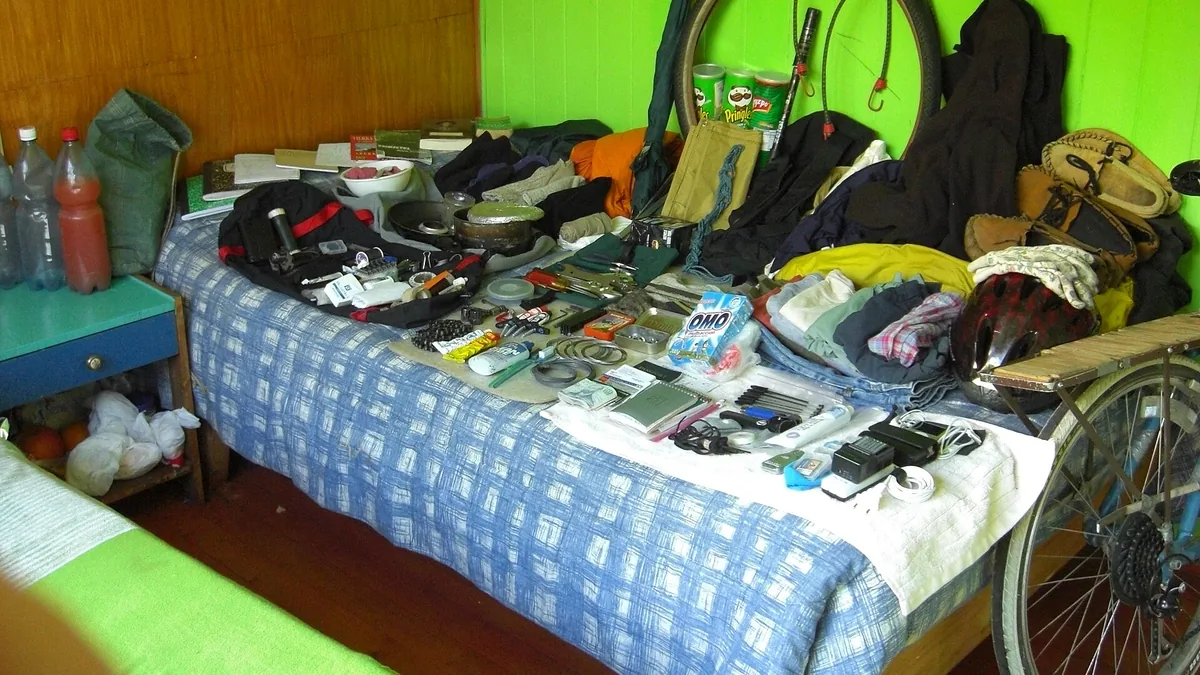
Before you leave, weigh your fully packed bag. Beginners often do best with a base weight under 20 pounds. If your pack is heavier, look at duplicates, luxury items, and heavy electronics first. Lay everything out on the floor and ask whether each item serves a clear purpose. If it does not, leave it behind.
Conclusion
A well-packed three-day hike sets the tone for a comfortable, safe trip. Focus on the big three, dress in layers, protect your feet, and carry the ten essentials. With practice, you will learn exactly what you need and what you can leave at home.
Keep reading
The Best Tents for Wild Camping in 2026: 8 Shelters Tested in Real Weather
Compare the best wild camping tents of 2026 on weight, weather resistance and pack size. Real picks for solo trekkers, pairs and shoulder-season trips.
How to Build a Survival Shelter in the Wild: 6 Designs That Actually Keep You Dry
Six wilderness shelter designs — lean-to, debris hut, tarp configurations and snow shelters — with the situation each one is actually built for.
The Best Headlamps for Night Hiking and Camping in 2026
Lumens, beam pattern, battery life and red-light modes explained. Picks for the best hiking headlamps at every budget, with what actually matters.
