
Gear
Trekking Essentials for High-Altitude Adventures
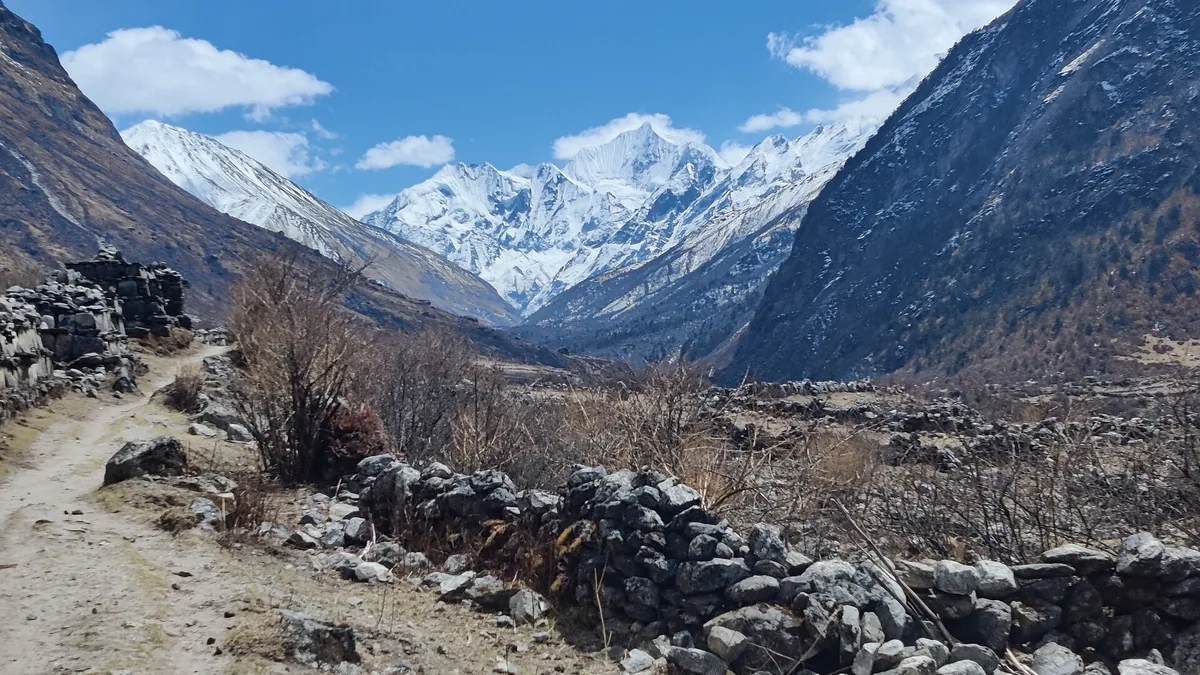
Key takeaways
- Ascend slowly; most itineraries limit gains to 300-500 meters of sleeping altitude per day.
- Pack insulating layers, sun protection, and a reliable water purification method.
- Know the symptoms of altitude sickness and have a descent plan.
- Break in boots thoroughly and test all gear before the trip.
Altitude is not a measure of fitness. It is a physiological stress that affects everyone above roughly 2,500 metres, and it is the reason fitter and faster trekkers sometimes suffer more than slower ones. The essentials of high-altitude trekking are therefore not exotic: ascend slowly, recognise the symptoms early, descend immediately when they worsen, and carry gear that works in cold, strong sun, and unpredictable weather.
Acclimatise gradually — this is the whole game
Above 2,500 metres, the standard advice is to increase your sleeping altitude by no more than 300 to 500 metres per day, with a rest day every third or fourth day of ascent. Sleeping altitude is what matters, not the highest point reached during the day.
The familiar rule "climb high, sleep low" follows from this: hike to a higher elevation during the day to stimulate acclimatisation, then return to a lower camp to sleep. It is the reason many well-designed itineraries include a short acclimatisation walk on a rest day rather than complete inactivity.
Acclimatisation cannot be rushed or trained in advance. Fitness helps you walk, but it does not stop altitude illness, and being fit is a known risk factor for pushing too hard too early.
Know the symptoms and know when to descend
Mild acute mountain sickness looks like a bad hangover: headache, nausea, dizziness, loss of appetite, and poor sleep. It is common and usually settles with rest, hydration, and time at the same altitude. Do not ascend while symptoms are present.
Certain signs change the situation from uncomfortable to dangerous. Confusion, difficulty walking in a straight line, breathlessness while resting, and a cough that will not clear suggest high-altitude cerebral or pulmonary oedema, both of which are life-threatening. The treatment is descent, immediately, and no amount of bottled oxygen or medication substitutes for losing altitude quickly.
Gear for high altitude
Temperatures fall fast with elevation, and the sun becomes more intense because there is less atmosphere to filter ultraviolet radiation. Pack insulating layers, a warm hat, gloves or mittens, and a genuinely warm jacket. Buff or scarf protection for the face is useful against wind and reflected UV.
Layer rather than carry one heavy garment, so you can adjust as you climb and as the sun moves. A hard-shell jacket and trousers matter for wind and rain, and a lightweight down layer is the most warmth per gram available to you.
Sun protection is not optional: high-factor sunscreen, glacier glasses or category 3–4 sunglasses, and lip balm with SPF. Snow and glacier glare can cause painful snow blindness within hours.
Water and food
Hydration is one of the few things you can actively control that improves how you feel at altitude. Drink more than you think you need, and monitor the colour of your urine as a simple check. Water sources high on a mountain may be scarce, frozen, or contaminated, so carry a reliable purification method such as a filter or chemical tablets.
Your body burns more calories at altitude while your appetite usually falls, so eat deliberately: frequent carbohydrate-rich snacks, easy soups, and food you actually enjoy. Alcohol disrupts sleep and worsens dehydration, which is why most experienced trekkers avoid it above 3,000 metres.
Footwear and foot care
Boots must be well broken in before the trek, because blisters become injuries when you have to keep walking the next day. Carry blister plasters, tape, and spare socks, and change socks at lunch to keep feet dry. Test every piece of footwear on shorter hikes at home rather than discovering a problem on day three of a trek.
Sleep, rest, and pacing
Sleep at altitude is usually lighter and more broken, which accumulates fatigue across a trek. Build rest days into the schedule rather than treating them as wasted time — they are the mechanism by which the itinerary works. Walk slowly and steadily; the pace that gets you there without altitude illness is almost always slower than the one you would choose.
Have an exit plan before you need one
Know where the nearest medical facility is, how long it takes to reach, and whether there is helicopter evacuation available. Carry travel insurance that explicitly covers trekking to your maximum altitude and includes emergency evacuation and search and rescue, and keep the assistance number accessible offline.
Decide in advance what symptom would make you turn around, and tell your group. Having the decision made before you are breathless, cold, and disappointed is far easier than making it in the moment.
Conclusion
High-altitude trekking rewards patience and punishes ambition. Ascend slowly, sleep no more than 300 to 500 metres higher each day, treat confusion or breathlessness at rest as a descent signal, and carry genuinely warm, sun-proof kit. Altitude affects everyone; what separates a good trek from a dangerous one is how honestly you respect it.
Keep reading
The Best Tents for Wild Camping in 2026: 8 Shelters Tested in Real Weather
Compare the best wild camping tents of 2026 on weight, weather resistance and pack size. Real picks for solo trekkers, pairs and shoulder-season trips.
How to Build a Survival Shelter in the Wild: 6 Designs That Actually Keep You Dry
Six wilderness shelter designs — lean-to, debris hut, tarp configurations and snow shelters — with the situation each one is actually built for.
The Best Headlamps for Night Hiking and Camping in 2026
Lumens, beam pattern, battery life and red-light modes explained. Picks for the best hiking headlamps at every budget, with what actually matters.
