
Gear
How to Build a 10 Essentials Survival Kit That Fits in One Pack
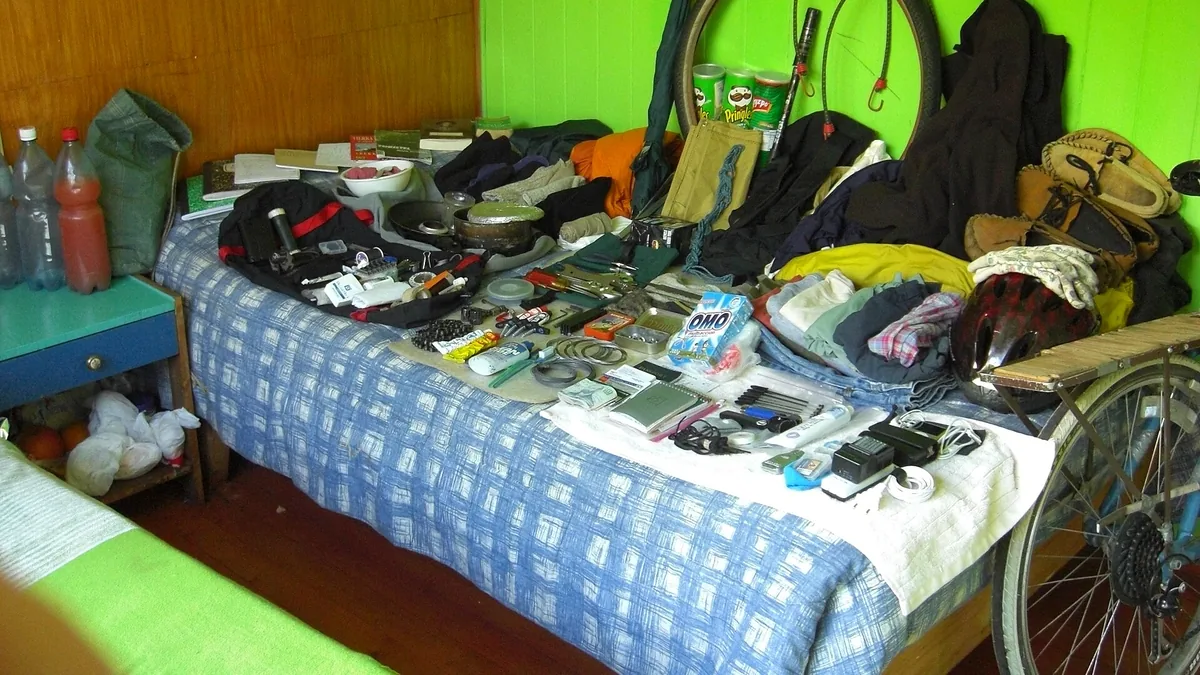
Key takeaways
- The Ten Essentials are ten systems, not ten objects — one item can cover two systems.
- A kit you never unpack is a kit you cannot use under stress.
- Weight scales with trip length, but the ten systems never change.
- The most common failure is carrying the kit and never learning to use it.
The Ten Essentials are the closest thing hiking has to a universally agreed minimum. Every serious outdoor organisation publishes a version, and although the lists differ in wording, they converge on the same ten systems: navigation, light, sun protection, first aid, knife and repair, fire, shelter, extra food, extra water and extra clothing. The system works because it is a list of functions, not a shopping list — and that distinction is where most people go wrong when they assemble a kit.
Think in systems, not objects
The most useful reframing of the Ten Essentials is that they are ten problems you need to be able to solve. One object can solve two problems: a buff is sun protection and extra clothing, a tarp is shelter and an emergency water catchment, a phone is navigation and light and a camera. A kit built around systems is lighter and more flexible than a kit built by ticking ten boxes.
The opposite failure is also common. people carry ten objects and cannot solve any of the ten problems, because the objects were never chosen for the conditions or never learned. A first aid kit still in its sealed wrapper is not a first aid solution, and a fire starter nobody has practised with is a small piece of metal.
Build your kit around the ten systems, then audit it regularly against the trips you actually take. A desert day hike and a shoulder-season mountain traverse need different answers to the same ten questions.
One: navigation
Navigation means being able to work out where you are and where you are going without relying on a single device. That means at least two independent methods. A paper map and a compass is the classic pairing, and it remains the right one: paper does not run out of battery, does not crack when dropped, and works in the rain.
A phone with offline maps and a GPS application is a powerful addition, not a replacement. Download the maps before you leave, carry the phone in a way that keeps it warm, and know that cold drains lithium batteries quickly. A dedicated handheld GPS or a satellite messenger is worth carrying in genuinely remote terrain, and a satellite communicator also covers the rescue function no other item in the list does.
The essential part is the skill, not the hardware. Knowing how to take a bearing, how to identify your position from surrounding terrain, and how to recognise when you no longer know where you are — that last one is arguably the most important navigation skill of all, because it is what stops a small error becoming a serious one.
Two: light
Every hiker should carry a headlamp on every hike, regardless of how short the hike is or how early it is. Hikes run late. People twist ankles. What was a four-hour return becomes a descent in the dark, and the difference between managing that and not managing it is a light source.
A headlamp keeps your hands free, which matters when you are descending scrambly ground or helping someone. Choose one with a regulated output appropriate to your terrain, and carry spare batteries or a power bank. A phone torch is a poor backup: it drains the same battery you need for navigation and communication, and it cannot be aimed while you use your hands.
Add a small secondary light if weight allows. A tiny keychain light weighs almost nothing and covers the case where your main lamp fails or its battery dies. Light is the essential most commonly absent when it is needed most.
Three: sun protection
Sun protection covers sunscreen, sunglasses and protective clothing. It is the essential people skip most often on overcast days, and the one that causes the most cumulative damage.
Apply sunscreen to exposed skin and reapply during the day, particularly on your nose, ears and the back of your neck. Sunglasses should block ultraviolet properly, which is about the lens rating rather than how dark they look; cheap dark lenses without UV protection are worse than none, because they let your pupils dilate and admit more ultraviolet.
Clothing is the most reliable protection and the most overlooked. A long-sleeved shirt, a hat with a brim and a buff for the back of the neck protect continuously without needing reapplication. At altitude and on snow, where ultraviolet reflects off the surface, this becomes genuinely important rather than merely advisable.
Four: first aid
A first aid kit should be sized to your group and your distance from help, not to how much you can fit in a stuff sack. For a solo day hike, the realistic needs are blister treatment, wound cleaning and dressing, pain relief, and something for sprains. For a multi-day trip far from a road, add the means to manage a serious wound and to immobilise a limb.
The most-used items are almost always blister plasters and tape. Address hot spots the moment you feel them rather than at the end of the day. The second most-used category is analgesia, because being able to manage pain is what allows someone to walk out rather than needing to be carried.
The important part is knowing what is in the kit and how to use it. Take a wilderness first aid course if you hike regularly, and keep a small card in the kit with the essentials: how to call for help locally, any allergies in your group, and the decision framework you would use in an emergency. A kit you have never opened is a kit you will fumble with when your hands are shaking.
Five: knife and repair
A knife or multi-tool handles the small failures that otherwise end a trip: a snapped strap, a stuck buckle, a splinter, a torn pack. It does not need to be large. A small blade, a pair of scissors and tweezers cover most of it, and a multi-tool with pliers adds genuine repair capability.
Pair it with a small repair kit. A few cable ties, a length of duct tape wrapped around a trekking pole or a lighter, a needle and thread or a tenacious tape patch, and a spare buckle or cord lock weigh almost nothing and fix almost everything. Most field repairs are improvisations with tape and cord, and carrying both deliberately is the difference between a repair and a walk-out.
Six: fire
Fire means the ability to start one reliably, not the intention to. Carry two independent ignition sources in different places: a stormproof lighter and a ferro rod, for example, or waterproof matches and a lighter. Keep them dry, and keep them separate so losing one does not lose both.
Add a small quantity of fire starter that will burn wet — commercial cubes, or petroleum-jelly-soaked cotton wool made at home. Fire starter solves the real problem, which is not producing a spark but getting damp fuel to burn.
Understand that fire is a morale and warmth tool more than a survival necessity in most situations. It matters enormously in cold-wet conditions and far less than shelter in most others, but it is light, cheap and worth carrying regardless.
Seven: shelter
Shelter means something that protects you and your group from wind and precipitation if you have to stop moving. For a day hike, that can be remarkably minimal: an emergency bivvy sack or a lightweight tarp weighs very little and changes the outcome of an unplanned night entirely.
Choose according to group size. A solo emergency bivvy is a personal item and should be in every individual's pack, not one shared bag. A small tarp is a better answer for two or three people, because it covers cooking, gear and bodies at once.
The relevant scenario is not a night you planned to spend out; it is the night you did not plan, after an injury or a wrong turn, when the temperature drops and it starts raining. What gets people through that is not a warm sleeping bag — it is being out of the wind and the wet. Carry something that achieves that, and know how to put it up in the dark.
Eight and nine: extra food and extra water
Extra means extra beyond what you planned to consume. The purpose is to have a margin when a trip takes longer than expected, which is the single most common way a good day becomes a bad one.
For food, carry something that does not require cooking and that you will actually eat when stressed — nuts, energy bars, chocolate, dried fruit. A couple of hundred grams is enough for a day hike. It is insurance, not lunch.
For water, carry more than you think you need and the means to treat more. A filter or purification tablets weigh very little and turn an unplanned night beside a stream into a manageable one. Know your sources before you go, and know that a map showing water is not the same as water being there in late summer.
Together, these two essentials buy you time, and time is what most emergencies actually require. An extra hour of daylight is often all that separates a walk-out from a rescue.
Ten: extra clothing
Extra clothing means insulation beyond what you are wearing, chosen for the worst conditions the trip could realistically produce rather than the forecast on the morning you left.
A packable insulated or fleece layer covers most three-season situations. Add a waterproof shell if there is any chance of rain, and a warm hat and gloves whenever temperatures could drop — these weigh almost nothing and are disproportionately useful, because that is where heat loss begins.
Keep one dry layer in a waterproof bag and treat it as an emergency item you do not use until you need it. Dry clothing at the end of a wet day, or after someone has fallen in a river, is the most effective treatment for hypothermia available to you in the field.
The discipline is carrying it rather than leaving it behind because the forecast is good. Forecasts are for the trailhead, not for the ridge you will be on at four in the afternoon.
Assembling a kit that you will actually carry
A kit that lives in the garage is worthless, and the main reason kits stay home is weight and bulk. Build for the trips you take most often, then add for the outliers.
Keep a core kit permanently packed in a single dry bag that moves from pack to pack. Top it up with perishable or trip-specific items before each outing. This single habit dramatically increases the chance the kit is with you, because it removes the repacking decision entirely.
Weigh it once. Knowing that your core kit weighs, say, 900 grams removes the mystery and makes it easy to justify. Most people carry far more than that in duplicated items and never notice.
Audit twice a year. Replace expired items, recharge or replace batteries, check that the tape has not turned to glue and that the fire starter is still sealed. A twice-yearly fifteen-minute check is the difference between a kit that works and a kit of good intentions.
Conclusion
The Ten Essentials survive because they describe problems rather than products. Build around the ten systems, let one item cover two systems where it genuinely can, and size everything to your group, your terrain and your distance from help. Keep the core kit packed and ready in one dry bag, weigh it so you know what it costs to carry, and audit it twice a year. Above all, learn to use what you carry — the most common failure is not a missing item but an unopened one.
Keep reading
The Best Tents for Wild Camping in 2026: 8 Shelters Tested in Real Weather
Compare the best wild camping tents of 2026 on weight, weather resistance and pack size. Real picks for solo trekkers, pairs and shoulder-season trips.
How to Build a Survival Shelter in the Wild: 6 Designs That Actually Keep You Dry
Six wilderness shelter designs — lean-to, debris hut, tarp configurations and snow shelters — with the situation each one is actually built for.
The Best Headlamps for Night Hiking and Camping in 2026
Lumens, beam pattern, battery life and red-light modes explained. Picks for the best hiking headlamps at every budget, with what actually matters.
