
Gear
The Best Hiking Boots for Rough Terrain in 2026
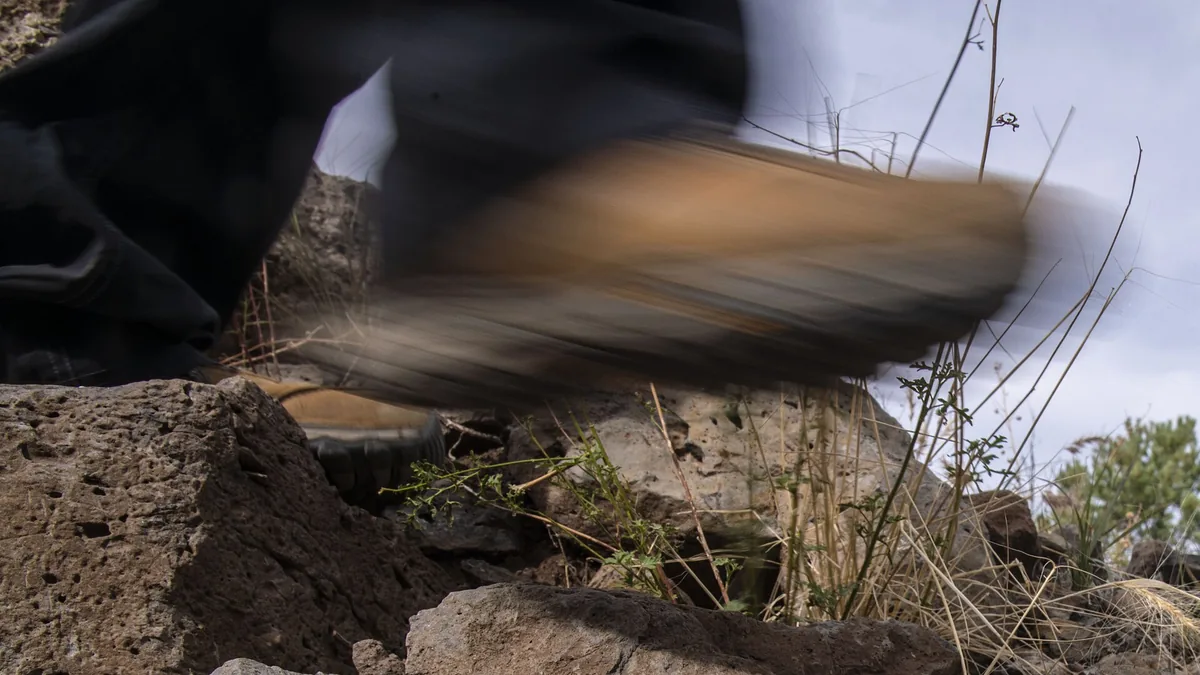
Key takeaways
- Rough terrain needs a stiff midsole, aggressive outsole, and durable upper.
- Leather lasts longer and supports heavy loads; synthetic is lighter and dries faster.
- Fit matters more than height: try boots on with your trail socks in the afternoon.
- Break boots in gradually and never take new boots on a multi-day hike.
Rough terrain punishes the wrong footwear. Loose rock, steep slopes, wet roots, and heavy packs all demand boots that protect, support, and grip. In 2026, the best hiking boots for rough terrain balance durability, traction, ankle support, and weight. This guide explains what to look for and how to choose the right pair for your adventures.
What makes a boot rough-terrain ready?
Rough terrain boots need four things. First, a stiff midsole that resists twisting under load. Second, an aggressive outsole with deep lugs for grip on rock, mud, and loose dirt. Third, durable upper material that withstands abrasion from rocks and brush. Fourth, good ankle support and a secure heel pocket to prevent rolling. Waterproof membranes help in wet climates, but they add warmth and reduce breathability.
Leather vs synthetic uppers
Full-grain leather boots are extremely durable, water-resistant, and supportive. They are ideal for heavy loads and rocky terrain, but they require a longer break-in period and weigh more. Synthetic uppers made from nylon or mesh are lighter, more breathable, and dry faster, but they wear out faster. Many modern boots combine both materials, using leather in high-wear areas and synthetic panels for breathability.
Midsole and shank
The midsole cushions your foot and absorbs impact. EVA midsoles are lighter and softer, while polyurethane midsoles are firmer and more durable. A shank is a stiff insert between the midsole and outsole that adds support on uneven ground. Boots with a full or three-quarter shank perform better on rocky terrain and under heavy packs. If you carry a light pack on maintained trails, a flexible boot may be more comfortable.
Outsole and traction
Vibram remains the gold standard for outsoles, but many brands use proprietary rubber compounds that perform well too. Look for deep, widely spaced lugs that shed mud and bite into rock. A prominent heel brake helps with steep descents. The rubber compound matters as much as the lug pattern: softer rubber grips wet rock better but wears faster, while harder rubber lasts longer on gravel.
Ankle support and fit
High-cut boots support the ankle and help prevent rolls on uneven ground, but they do not replace strong ankles and careful foot placement. Fit matters more than height. Try boots on in the afternoon when your feet are slightly swollen. Wear the socks you plan to use on the trail, and make sure your toes do not hit the front when walking downhill. Your heel should stay in place without slipping.
Waterproof vs breathable
Waterproof boots with membranes like Gore-Tex keep feet dry in wet grass and shallow streams, but they trap heat and take longer to dry once soaked. Non-waterproof boots breathe better and dry faster, making them a better choice for hot, dry climates. Some hikers carry lightweight waterproof socks as an alternative. Match the boot to your typical conditions rather than assuming waterproof is always better.
Breaking in your boots
Never take new boots straight onto a multi-day hike. Wear them on short walks, then day hikes, then progressively longer trips. Flex the sole, soften the upper, and identify hot spots before they become blisters. If a boot hurts at home, it will hurt worse on the trail. Consider returning or exchanging boots that do not fit after a few short outings.
Care and longevity
Clean mud and dirt off your boots after each trip. Remove insoles to dry, and stuff boots with newspaper if they get soaked. Condition leather uppers periodically to prevent cracking. Resoleable boots can last many years with proper care. Rotate between two pairs if you hike frequently.
Conclusion
The best hiking boots for rough terrain combine support, traction, durability, and fit. Leather and synthetic hybrids, stiff midsoles, aggressive outsoles, and secure ankle support are the features that matter most. Try boots on with your trail socks, break them in properly, and maintain them after each hike. The right boots make rough terrain feel manageable.
Keep reading
The Best Tents for Wild Camping in 2026: 8 Shelters Tested in Real Weather
Compare the best wild camping tents of 2026 on weight, weather resistance and pack size. Real picks for solo trekkers, pairs and shoulder-season trips.
How to Build a Survival Shelter in the Wild: 6 Designs That Actually Keep You Dry
Six wilderness shelter designs — lean-to, debris hut, tarp configurations and snow shelters — with the situation each one is actually built for.

The Best Headlamps for Night Hiking and Camping in 2026
Lumens, beam pattern, battery life and red-light modes explained. Picks for the best hiking headlamps at every budget, with what actually matters.
