
Survival
How to Purify Water in the Wild: 5 Methods Tested
Key takeaways
- Most filters remove bacteria and protozoa but not viruses.
- Squeeze filters offer the best balance of weight, cost, and ease for solo hikers.
- Chemical treatment is the lightest backup and works against viruses.
- Always carry a backup purification method in case your primary system fails.
Clean water is one of the most important priorities in the backcountry. Streams and lakes may look pristine, but bacteria, parasites, and viruses can hide in even the clearest water. This guide compares five common wilderness water purification methods, explaining how they work, what they remove, and when each one makes sense.
Method 1: pump filters
Pump filters force water through a hollow-fiber or ceramic cartridge. They remove bacteria and protozoa, and some models also filter out sediment. Pump filters are fast and reliable, making them a popular choice for groups and murky water sources. The downside is weight, bulk, and the physical effort required to pump large volumes. Cleaning or replacing the cartridge adds ongoing maintenance. They are best for trips where you need clean water quickly for several people.
Method 2: squeeze filters
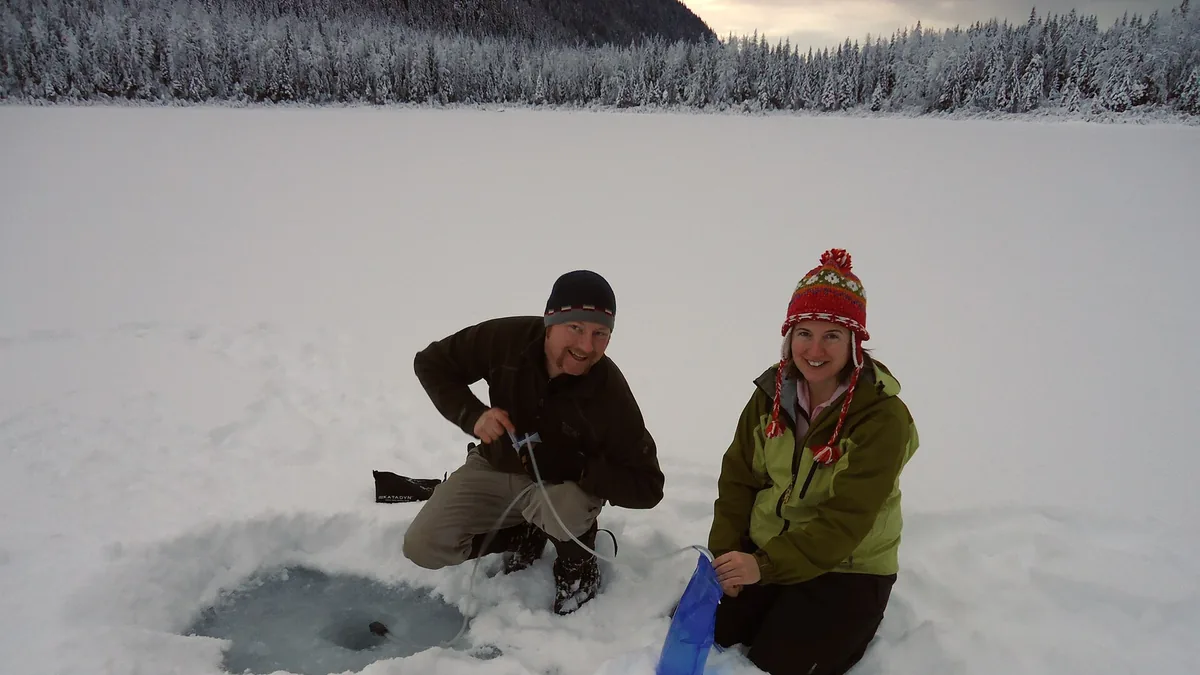
Squeeze filters use a small, flexible pouch attached to a hollow-fiber filter. You fill the dirty bag, screw on the filter, and squeeze clean water into your bottle. They are lightweight, affordable, and easy to use. Most models remove bacteria and protozoa but not viruses. Squeeze filters work best for solo hikers and clear to moderately cloudy water. The pouches can wear out over time, and freezing can damage the hollow fibers, so store them carefully in cold weather.
Method 3: gravity filters
Gravity filters work by hanging a dirty-water reservoir above a clean one and letting gravity push water through a filter element. They require no pumping and can produce several liters with little effort. Gravity filters are excellent for base camps and group cooking. They are slower than pumps and heavier than squeeze filters, but the hands-free operation is convenient. Like squeeze filters, they typically handle bacteria and protozoa, with some models offering virus protection.
Method 4: chemical treatment
Tablets and drops containing chlorine, chlorine dioxide, or iodine kill bacteria, viruses, and most protozoa. They are extremely lightweight, cheap, and simple to use. The main drawbacks are the wait time, which ranges from 30 minutes to four hours depending on the product, and the taste some chemicals leave behind. Chemicals do not remove sediment, so pre-filtering through a bandana or coffee filter helps. They make an excellent backup to a primary filter.
Method 5: boiling and UV pens
Boiling water for at least one minute kills bacteria, viruses, and protozoa. It is highly reliable but fuel-intensive. UV pens use ultraviolet light to neutralize microorganisms in clear water within seconds. They are compact and fast, but they require batteries, do not work well in murky water, and provide no residual protection. Both methods work best as supplements to a primary filter or in emergencies.
Which method should you choose?
For most solo hikers, a squeeze filter is the best balance of weight, cost, and ease. Groups and base campers may prefer a gravity filter. If you are traveling internationally or in areas with heavy contamination, pair a filter with chemical treatment or a UV pen. Always carry a backup method in case your primary system fails.
Water safety tips
Choose water sources away from campsites, trails, and animal activity. Look for flowing water over still water, and avoid sources downstream from farms, mines, or heavy human use. Even after treatment, water with visible particles may taste bad and strain your filter. Pre-filtering improves both flavor and equipment life. Stay hydrated, and drink regularly rather than waiting until you feel thirsty.
Conclusion
There is no single perfect water purification method. The best choice depends on your group size, location, water clarity, and personal preferences. Test your system at home before your trip, and always carry a backup. Clean water is non-negotiable in the wild, so invest in a reliable setup and know how to use it.
Keep reading
The Best Tents for Wild Camping in 2026: 8 Shelters Tested in Real Weather
Compare the best wild camping tents of 2026 on weight, weather resistance and pack size. Real picks for solo trekkers, pairs and shoulder-season trips.
How to Build a Survival Shelter in the Wild: 6 Designs That Actually Keep You Dry
Six wilderness shelter designs — lean-to, debris hut, tarp configurations and snow shelters — with the situation each one is actually built for.
The Best Headlamps for Night Hiking and Camping in 2026
Lumens, beam pattern, battery life and red-light modes explained. Picks for the best hiking headlamps at every budget, with what actually matters.
