
Survival
First Time Camping? 10 Mistakes to Avoid
Key takeaways
- Check the forecast right before you leave and pack for colder conditions.
- Always use a sleeping pad for insulation from the ground.
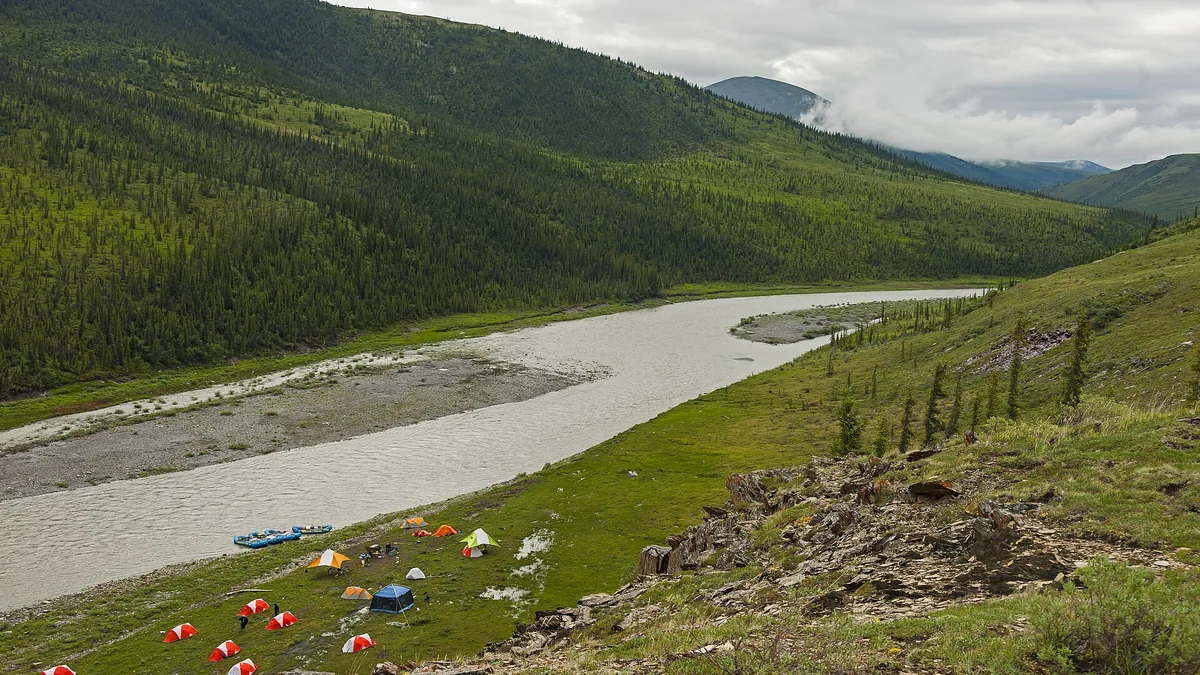
- Pitch your tent on level ground away from low spots and dead trees.
- Set up and test all gear at home before your first trip.
First-time camping is exciting, but small mistakes can turn a great trip into a cold, wet, frustrating night. The good news is that most beginner camping problems are easy to avoid with a little planning. Here are ten common first-time camping mistakes and how to prevent them.
Mistake 1: ignoring the weather forecast
Many first-time campers check the forecast once and forget about it. Weather can change quickly, especially in the mountains. Check the forecast right up until you leave, and plan for conditions ten degrees colder than predicted. Pack rain gear even when the sky is clear, and know where you can take shelter if a storm rolls in.
Mistake 2: buying too much gear
It is easy to walk into a camping store and leave with gear you do not need. Start with the basics: a tent, sleeping bag, pad, stove, headlamp, and first-aid kit. Borrow or rent expensive items before buying. You can add luxuries later once you know what actually improves your trips.
Mistake 3: sleeping without a pad
The ground pulls heat from your body faster than the air. A sleeping bag alone is not enough. You need a sleeping pad for insulation and cushioning. An inflatable pad packs small and offers comfort, while a foam pad is cheap and indestructible. Choose one with an R-value suited to your expected temperatures.
Mistake 4: setting up your tent in the wrong spot
Avoid pitching your tent in low spots where water can pool. Look for flat, level ground away from dead trees, rockfall zones, and animal trails. Check the direction of the wind, and stake out your rain fly properly. Set up your tent before dark while you can still see what you are doing.
Mistake 5: forgetting extra layers
Temperatures drop quickly after sunset. Bring a warm jacket, hat, and gloves even in summer. Dress in layers so you can adjust throughout the day. Pack a dry set of clothes for sleeping, and never wear wet clothes to bed.
Mistake 6: poor food planning
Camping meals should be simple, filling, and easy to prepare. Plan each meal before you leave, and bring a little more food than you think you need. Pre-cook rice or pasta at home to save fuel. Store all food in sealed containers or bear bags away from your tent. Clean up thoroughly after eating to avoid attracting animals.
Mistake 7: not testing equipment at home
Set up your tent in the yard. Light your stove on the porch. Test your headlamp and organize your gear. Discovering that a tent pole is missing or a stove is broken at the campsite is much harder to fix. Practice once at home and you will save yourself hours of frustration.
Mistake 8: overpacking clothes
Beginners often bring an outfit for every day. Instead, choose versatile layers that can be mixed and matched. One set of hiking clothes and one set of sleep clothes is often enough for a weekend trip. Quick-dry, moisture-wicking fabrics let you rinse clothes and wear them again.
Mistake 9: leaving trash or food behind
Leave no trace means everything you bring in comes back out with you. Pack out all trash, food scraps, and toilet paper. Wash dishes at least 200 feet from water sources. Respect wildlife by storing food properly and observing from a distance.
Mistake 10: not telling anyone your plan
Always share your campsite location and expected return time with someone at home. If something goes wrong, search and rescue teams need to know where to start looking. Carry a whistle, a charged phone, and a paper map. Even on easy trips, a simple plan shared with a friend adds a critical safety net.
Conclusion
First-time camping is about learning by doing. Avoid these ten mistakes and your first trips will be safer and more enjoyable. Start small, borrow gear when you can, and build your skills one night at a time. The best campers are not the ones with the most expensive equipment, but the ones who know how to use what they have.
Keep reading
The Best Tents for Wild Camping in 2026: 8 Shelters Tested in Real Weather
Compare the best wild camping tents of 2026 on weight, weather resistance and pack size. Real picks for solo trekkers, pairs and shoulder-season trips.
How to Build a Survival Shelter in the Wild: 6 Designs That Actually Keep You Dry
Six wilderness shelter designs — lean-to, debris hut, tarp configurations and snow shelters — with the situation each one is actually built for.
The Best Headlamps for Night Hiking and Camping in 2026
Lumens, beam pattern, battery life and red-light modes explained. Picks for the best hiking headlamps at every budget, with what actually matters.
