
Trip Planning
Road Trip Planning Checklist: From Route to Emergency Kit
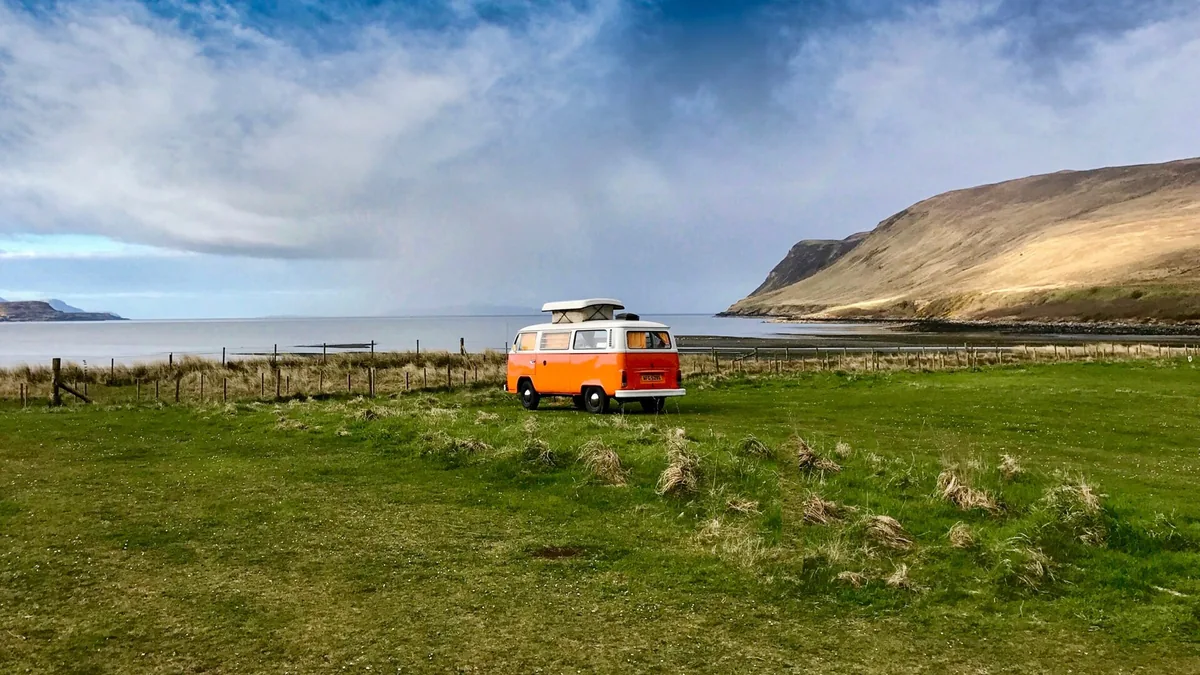
Key takeaways
- Build a flexible route with 2-3 must-see stops and room for detours.
- Service your vehicle, check tires, and carry a spare, jack, and jump cables.
- Download offline maps and save key stops like fuel stations and hospitals.
- Pack a cooler, snacks, water, and a basic car emergency kit.
A good road trip is the product of preparation you never notice and flexibility you rely on constantly. The planning that matters is not an hour-by-hour itinerary but a set of decisions made in advance: how far you can realistically drive in a day, what state the vehicle is in, what happens when there is no signal, and who knows where you are. This checklist walks through each of them in the order they should be done.
Choose a flexible route, not a fixed schedule
Start by naming two or three places you genuinely care about, then build the route around them rather than filling every day. A road trip's best moments are usually unplanned — a detour to a viewpoint, a longer stay in a town you like, an afternoon waiting out rain. An itinerary that leaves no room for those turns the trip into a delivery schedule.
Write the route on a map rather than only into a navigation app. Seeing the shape of the journey makes it obvious when you have planned a zigzag, and it helps you spot the quieter roads that run parallel to the motorway everyone else is using.
Estimate driving times honestly
Mapping apps estimate the time a car can travel, not the time a person can travel. Add time for fuel stops, meals, photographs, roadworks, and the simple fact that you will drive more slowly on unfamiliar roads. A useful rule is to add 25 to 30 per cent to any app estimate, and considerably more in mountains or on unpaved roads.
Cap your daily distance at something you can sustain for a week rather than one heroic day. Six hours of driving is a comfortable day for most people; eight is tiring; ten is a day you will remember for the wrong reason. Driving after dark on unfamiliar roads with wildlife is a genuine risk, so aim to arrive before dusk.
Prepare the vehicle properly
Before a long trip, change the oil if it is due, check tyre pressure and tread including the spare, test the battery, top up coolant and washer fluid, and confirm the lights and wipers work. Make sure the jack, wheel brace, and warning triangle are present and that you know how to use them.
If you are hiring a car, photograph the vehicle and the fuel gauge before you drive away, check the spare and the tools, and confirm what the insurance covers and what the excess is. Know the roadside assistance number before you need it.
Build a basic emergency kit
Carry water for everyone on board, non-perishable food, a torch, a first-aid kit, a blanket, jumper cables or a jump pack, a tyre inflator, and a paper map. A reflective vest and triangle are legally required in many countries and are cheap insurance against being stopped. Charge a power bank and keep a physical charging cable in the car rather than in your bag.
Download offline maps and plan for dead zones
Cell coverage disappears on remote roads and in mountain valleys, precisely where you most need the map. Download the offline map for each region before you leave, save your accommodation addresses as pins, and note the locations of fuel, hospitals, and towns on the route. If you are crossing a long stretch without services, know the distance before you enter it.
Pack smart for the car
Keep the things you need often — water, snacks, sunglasses, phone charger, tissues — in a bag within reach rather than buried in the boot. Pack the rest by category so you can find things without unpacking the whole car. Leave valuables out of sight when parked, ideally in the boot, and never leave a bag visible on a seat in a city.
Plan accommodation selectively
Book your first and last nights, plus any night in a genuinely popular destination where rooms sell out. Leave the middle of the trip open so you can stay longer where you like it and move on where you do not. This single decision solves most of the tension between security and spontaneity.
For remote areas, book in advance even if you prefer to improvise. Some stretches of desert, mountain, and coastline have very few beds and the nearest alternative can be two hours away.
Money, documents, and paperwork
Carry your driving licence, the vehicle documents or rental agreement, insurance details, and identification. Check in advance whether you need an International Driving Permit, a vignette, a congestion charge, or an emissions sticker for the countries and cities on your route. Several European cities now require registration before entry, and the fines are automatic.
Carry some local cash. Fuel stations in remote areas, small tolls, and rural car parks often do not accept cards, and card terminals fail more often than you would expect.
Share your itinerary and check in
Give someone at home your rough route, the vehicle details, and a schedule for checking in. Agree in advance what they should do if you miss a check-in by more than a few hours, including which authority to call. In remote areas this is the single most effective safety measure available to you, and it costs nothing.
Drive to the conditions
Respect local speed limits, which may be lower than you expect and are often enforced by camera. In countries where you drive on the other side of the road, be extra deliberate for the first day, particularly at junctions and roundabouts. Never drive when tired: swap drivers, stop for a proper break, or stop for the night.
On unpaved roads and in remote areas, check local advice before leaving. Some rental agreements prohibit unsealed roads and some routes flood, close seasonally, or require a permit.
Conclusion
Road trip planning comes down to a handful of decisions made before you leave: a route with slack in it, honest driving times, a prepared vehicle, offline maps, an emergency kit, and someone at home who knows where you are. Do those six things and the trip stays flexible where it should be and predictable where it matters.
Keep reading
How to Plan a Backpacking Trip: A Step-by-Step Guide
Learn how to plan a backpacking trip from scratch. Choose a destination, build a route, set a budget, and pack the right gear.

What to Pack for Southeast Asia: A Practical Checklist
A practical Southeast Asia packing checklist. Lightweight clothing, rain gear, electronics, toiletries, and documents for hot and humid travel.
The Best Tents for Wild Camping in 2026: 8 Shelters Tested in Real Weather
Compare the best wild camping tents of 2026 on weight, weather resistance and pack size. Real picks for solo trekkers, pairs and shoulder-season trips.
