
Explorer Stories
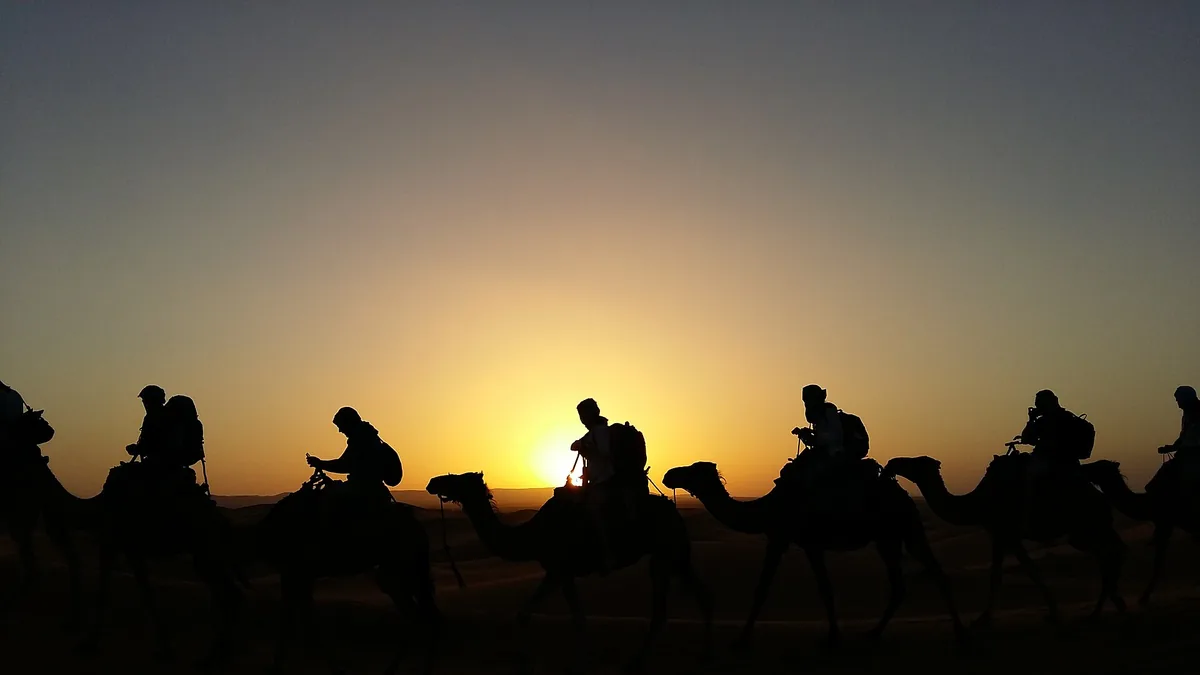
Crossing the Sahara: A Real Traveler's Account
Key takeaways
- Preparation takes weeks: vehicle, spares, water, permits, and experienced guides.
- Desert days exceed 45 degrees Celsius while nights can drop below freezing.
- Lower tire pressure and read the sand to cross the dunes.
- Desert hospitality is real: accept tea and slow down to the desert's pace.
Crossing the Sahara is not a holiday. It is a slow, punishing, and utterly mesmerizing journey across the largest hot desert on Earth. What follows is a composite account drawn from the experiences of travelers who have made the crossing by vehicle and camel, from the edge of Morocco deep into the dunes of Algeria and beyond. It is a story of heat, silence, hospitality, and the strange clarity that comes from days without distraction.
Preparing for the crossing
The journey begins long before the first dune. Preparations take weeks. A well-maintained four-wheel-drive vehicle with a lifted suspension, a snorkel, and robust tires is essential. Spare fuel, water for at least a week, spare tires, recovery boards, a satellite phone, and a GPS are non-negotiable. Paperwork is equally demanding: visas, carnets, permits, and sometimes military escort arrangements. Guides who know the region are not a luxury; they are the difference between an adventure and a disaster.
The first days: leaving the world behind
The transition is gradual. Paved roads give way to rough tracks, then tracks give way to nothing. Villages become smaller and farther apart. The last town feels like a portal. Travelers describe a strange sensation as the road disappears: the realization that help is now many hours or days away. Most people sleep badly the first night, aware of the silence and the immense emptiness pressing in from all directions.
The heat and the cold
Daytime temperatures in the Sahara can exceed 45°C, and the ground radiates heat back upward. Travel becomes almost impossible in the early afternoon, so journeys start before dawn and pause during the hottest hours. What surprises most travelers is the cold. Desert nights can drop below freezing. The lack of humidity and cloud cover means heat escapes rapidly into the sky. A good sleeping bag is as important as sun protection.
Navigating the dunes
The ergs, or seas of sand, are the most feared sections. Dunes rise and fall for kilometers, with soft faces that swallow vehicles. Tire pressure is lowered to increase the footprint. Momentum is everything; stopping on a soft slope means digging out. Local guides read the sand by color and texture, choosing lines that outsiders cannot see. Getting stuck is a near-certainty at some point, and recovery becomes a shared effort.
Water and the oases
Water governs every decision. Travelers carry enough for the vehicle and themselves, but the oases are lifelines. Arriving at a small desert well after hours of driving is an unforgettable experience. The water is often warm and slightly mineral, and it tastes better than anything you have ever drunk. Oases are also social spaces, where Tuareg and Berber families, traders, and herders cross paths and exchange news.
The people of the desert
Hospitality in the Sahara is legendary and entirely real. Travelers are routinely invited into tents for tea, which is served in three glasses: one for life, one for love, and one for death. The ritual takes time, and rushing it would be rude. Tuareg guides share knowledge of routes, stars, and survival that has been passed down for centuries. These encounters are often the most memorable part of the journey.
The mental experience
The Sahara changes how time feels. Without buildings, roads, or other people, the mind slows down. Days are measured by light and distance rather than clocks. Many travelers describe an unexpected emotional response: irritation in the first two days, followed by a deep, quiet calm. The emptiness can be unsettling, but it also clears away the noise of ordinary life.
When things go wrong
No crossing goes entirely to plan. Vehicles break down. Sandstorms force sudden stops. Navigation errors add hours. What saves travelers is preparation, patience, and the willingness to wait for help rather than making a bad situation worse. The desert punishes hurry. Those who survive and thrive are the ones who slow down, conserve resources, and trust local knowledge.
Reaching the other side
Arriving on the far side of the Sahara is strangely anticlimactic. The road, the town, the noise all return. But something has shifted. Travelers describe a lasting appreciation for water, shade, and human connection. The desert stays with them. Many who cross once find themselves planning a return before they have fully unpacked.
Conclusion
Crossing the Sahara is one of the last great overland journeys. It demands preparation, respect, and patience, and it rewards all three with landscapes and encounters that stay with you for life. If you are considering it, go with experienced guides, prepare thoroughly, and let the desert set the pace. It has been crossing people for thousands of years, and it does not hurry for anyone.
Keep reading
My First Solo Backpacking Trip: 5 Lessons I Learned the Hard Way
A personal account of a first solo backpacking trip and the travel lessons learned along the way.
Inside the World's Most Isolated Tribes
An introduction to the world's most isolated tribes, including the Sentinelese, Mashco Piro, and Kawahiva, and the ethics of why they should remain uncontacted.
The Best Tents for Wild Camping in 2026: 8 Shelters Tested in Real Weather
Compare the best wild camping tents of 2026 on weight, weather resistance and pack size. Real picks for solo trekkers, pairs and shoulder-season trips.
