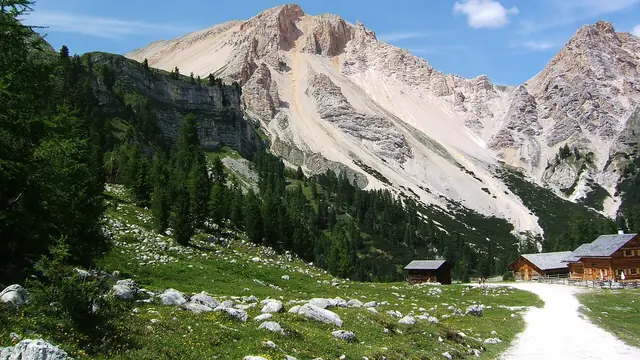
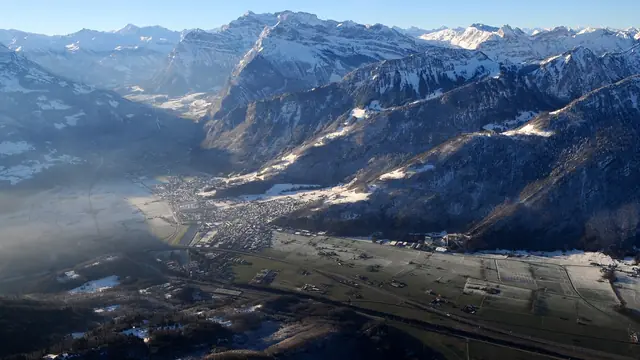
Off-the-Beaten-Path: 10 Secret Villages in the Alps
Discover ten secret villages in the Alps that tour buses skip. Stone houses, alpine meadows, local food, and quiet hiking trails across Switzerland, Italy, France, and Norway.
Eight countries, 1,200 kilometres of range, and the most thoroughly waymarked mountain system on earth.
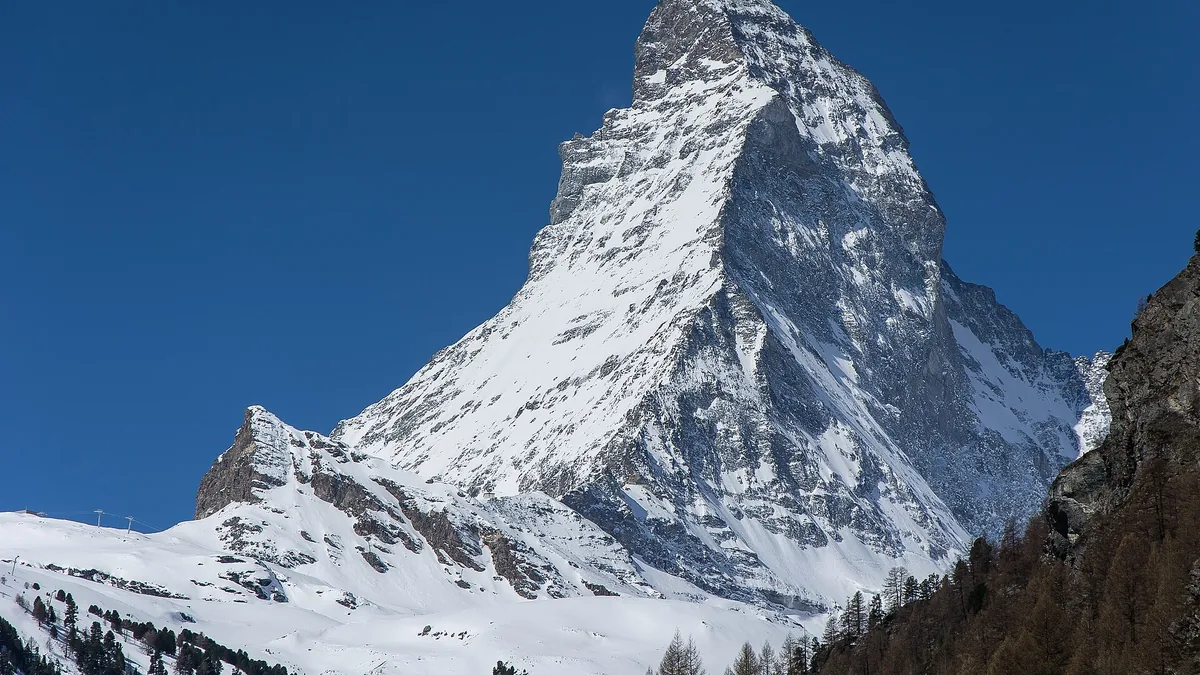
The Alps are the most accessible serious mountains in the world. A dense network of huts, lifts, waymarked trails and valley transport means you can do a hut-to-hut week with no camping gear and no expedition planning. The trade-off is that the famous places are busy; the counter is that there are thousands of valleys, and the quiet ones are genuinely quiet, often a single side valley away from the crowds.
Reference facts for planning The Alps.
Where the good months sit, and why.
mid-June – mid-September
When the staffed huts open, snow clears from the passes and the long-distance trails become walkable end to end.
September – early October
Stable high pressure, warm days, larch colour, and the huts still open in the first half of September.
December – March
Ski touring and snowshoeing season, with a completely different and much emptier mountain.
Months to think twice about: July and August in Chamonix, Zermatt and the Dolomites' most photographed spots if you want quiet. Shift one valley sideways and the difference is dramatic.
The places that justify the trip, and the guides we have written for them.
France, Italy, Switzerland
The classic 170 km circuit, roughly ten days, crossing three countries and countless passes. Book huts early.
Italy
Pale limestone towers with via ferrata routes, comfortable huts and better food than any other mountain range.
Across the range
Settlements that kept their character because the road went past them rather than through them.
Slovenia
The eastern end of the range: cheaper, quieter, and just as dramatic around Triglav.
Most of the Alps sits within the Schengen area; a single visa or visa-free stay covers France, Switzerland, Italy, Austria, Germany and Slovenia.
Confirm Schengen entry rules with an official EU or national government immigration source before booking.
Rough per-person costs, excluding international flights.
Three ways to structure a trip, depending on how much time you have.
10 – 12 days
Hut-to-hut, clockwise or anticlockwise. Book refuges months ahead or plan a camping variant.
7 days
Base in one valley, hire a harness set, and work through graded routes with huts as lunch stops.
12 – 14 days
Chamonix to Zermatt on foot — a serious route with real glacier travel, best with a guide.
The Alps have the best mountain transport network in the world. Postal buses, mountain railways, cog trains and cable cars reach deep into the valleys, and timetables are coordinated. A car gives flexibility but is often unnecessary and expensive to park. Rail passes work well for valley travel.
Alpine weather changes fast and afternoon thunderstorms are routine in summer. Start early, be off exposed ridges by early afternoon, and carry proper rain and warm layers even on a hot day. On glacier routes and via ferrata, use a guide or the correct equipment — this is not optional, and it is the most common cause of serious accidents here.
Long-form guides published for this destination.
Discover ten secret villages in the Alps that tour buses skip. Stone houses, alpine meadows, local food, and quiet hiking trails across Switzerland, Italy, France, and Norway.
Discover beginner-friendly hiking destinations around the world with well-marked trails, reliable infrastructure, and stunning scenery.