
Destinations
Best Hiking Destinations for Beginners
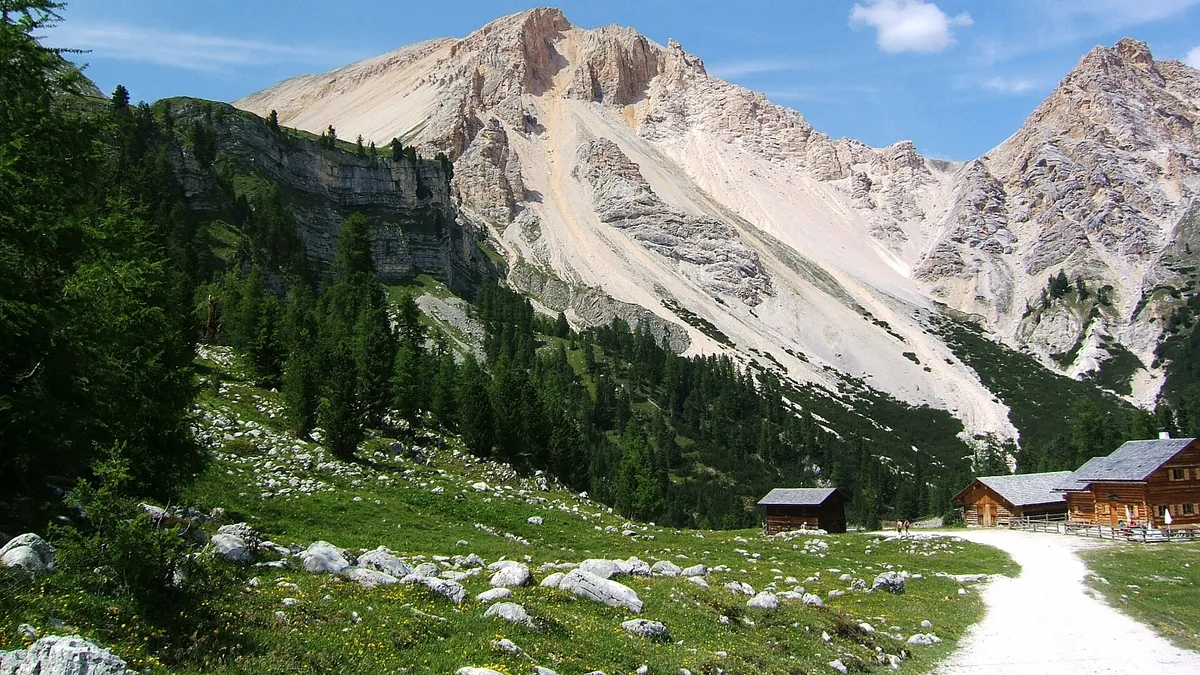
Key takeaways
- Start with day hikes that have clear trail markers and cellphone coverage.
- Colorado, the Lake District, New Zealand, and Slovenia offer excellent beginner infrastructure.
- Check weather, trail closures, and permit requirements before you leave.
- Tell someone your plan and carry the ten essentials, even on short hikes.
The best hiking destination for a beginner is not the one with the most spectacular view. It is the one where a wrong turn is survivable, the weather is unlikely to turn dangerous, help is reachable, and there is a bed and a meal at the end of the day. Get those conditions right and a first hiking trip becomes a habit; get them wrong and it becomes a story about how you never went again.
What makes a good beginner destination
Four things matter more than scenery. Well-marked and well-maintained trails mean you spend your attention on walking rather than route-finding. Modest elevation gain, spread over a full day rather than concentrated into one climb, keeps the effort manageable. Cellphone coverage and proximity to a road mean that a turned ankle is an inconvenience rather than an emergency. And accommodation, food, and transport near the trailhead mean you are not carrying your trip on your back.
A useful rule for a first trip is to pick trails that are 6 to 12 kilometres with no more than 400 to 500 metres of ascent, and to treat the published time estimate as a minimum rather than a target.
The Lake District, England
The Lake District is one of the most forgiving mountain regions in Europe for beginners. Footpaths are extensive and generally well signposted, the valleys are gentle, and the villages are close together, which means you can plan short days and still feel like you are in real mountains. Low fells such as Catbells and Loughrigg Fell give large views for modest effort.
Two things to respect: the weather changes quickly, and paths on the higher fells are rough underfoot. Take a waterproof jacket, a map, and a charged phone with an offline map, and check a mountain weather forecast the morning you go.
Rocky Mountain National Park, USA
This park offers an unusually wide range of graded trails, with easy options such as Bear Lake, Alberta Falls, and Emerald Lake leaving from trailheads that sit at altitude. Visitor centres provide maps, current conditions, and ranger advice, which is exactly the support a beginner needs.
The one factor that catches out new hikers here is altitude. Even the easy trails start above 2,700 metres, where the air is thinner and effort feels greater than expected. Give yourself a day to adjust, drink more water than usual, and turn back if you develop a headache that gets worse rather than better.
Slovenia
Slovenia is compact, affordable, and covered by a dense network of marked mountain trails, with a hut system that makes longer walks possible without camping gear. Lake Bled and the Soča Valley are comfortable bases with plenty of low-level walking, and the Julian Alps offer a natural progression once your confidence grows.
The huts are the key advantage for beginners: you can walk further than you could carrying a tent, and you sleep and eat indoors at the end of each day. Book ahead in summer, and check the difficulty grading of any route above the valley floor.
New Zealand
New Zealand's Great Walks are famous precisely because they are beginner-friendly: well-graded tracks, maintained huts and campsites, and clear signage. The Abel Tasman Coast Track is the gentlest of them, following the coastline between beaches with the option of water taxis to shorten the distance.
The catch is booking. Huts and campsites on the Great Walks sell out months in advance for the summer season, and the weather in New Zealand changes fast. Treat the booking system as the first step of planning, not the last.
Other strong options
The Portuguese and Spanish sections of the Camino de Santiago offer daily waymarking, villages every few kilometres, and luggage transfer if you want it — arguably the most supported long-distance walking in the world. Madeira's levada trails follow irrigation channels through forest with very little ascent. And the Austrian and Bavarian foothills offer gentle alpine walking with cable cars and mountain huts to soften the climbing.
Safety basics for a first hike
Check the weather forecast the morning you leave, and be prepared to change your plan. Carry water, food, a waterproof layer, a map you can read, a headlamp, and a small first-aid kit even on an easy trail. Tell someone where you are going and when you expect to be back, and keep a charged phone with an offline map of the area.
Wear footwear with proper grip and support, and break it in before the trip. Start earlier than feels necessary — most problems on a day hike come from running out of daylight rather than running out of energy.
Conclusion
The best first hiking destination is the one that lets you finish the day tired and pleased rather than anxious. Pick a region with clear trails, reliable infrastructure, and help within reach, choose routes well within your fitness, and check the weather before you set out. Build the habit on easy ground and the bigger mountains will still be there when you are ready for them.
Keep reading
Beyond Machu Picchu: 8 Inca Sites Almost Nobody Visits
Choquequirao, Wari terraces and fortress complexes that see a fraction of Machu Picchu's visitors. Where they are and what the hike involves.
Europe's Deepest Canyon Is Not Where You Think: The Tara River Gorge
The Tara River Canyon cuts deeper than most famous European gorges. How it formed, how it compares to the world's big canyons and how to see it.
New Zealand's Great Walks: The Four Almost Nobody Books
Most hikers book the Routeburn and Milford. These four Great Walks get a fraction of the traffic with the same alpine and coastal scenery.
