Inside the World's Most Isolated Tribes
An introduction to the world's most isolated tribes, including the Sentinelese, Mashco Piro, and Kawahiva, and the ethics of why they should remain uncontacted.
The largest rainforest on earth, spanning nine countries, and almost impossible to overstate.
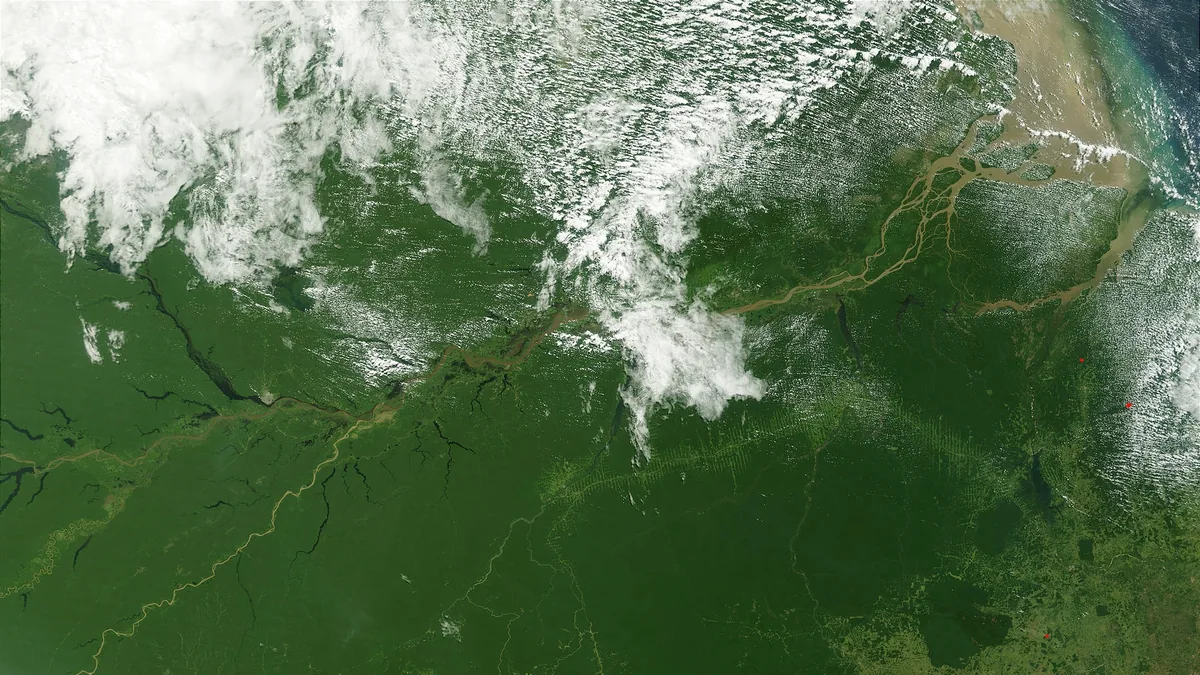
The Amazon basin covers roughly 7 million square kilometres across nine countries and holds about a tenth of all known species. It is also the hardest popular destination on this site to travel independently: there are very few roads, the river is the highway, and the difference between a supported lodge trip and an unsupported river journey is enormous. Most visitors enter from Peru, Brazil, Ecuador, Colombia or Bolivia.
Reference facts for planning The Amazon.
Where the good months sit, and why.
June – November
Trails are walkable, wildlife concentrates around remaining water, and river beaches appear. The standard visiting season.
December – May
Canoes reach deep into flooded forest, but walking trails are underwater and mosquitoes are at their worst.
May and November
Unpredictable but often good value, with both walking and paddling possible in the same week.
Months to think twice about: Travelling here without a yellow fever vaccination certificate and without checking which antimalarial prophylaxis is recommended for your specific destination region.
The places that justify the trip, and the guides we have written for them.
Iquitos, Madre de Dios
The most developed lodge infrastructure, with deep-forest reserves reachable in a few hours from Iquitos or Puerto Maldonado.
Manaus, Amazonas
The meeting of the waters, enormous river scale, and multi-day boat journeys that function like slow cruise ships.
Ecuador
One of the most biodiverse places measured on earth, with community and conservation-run lodges.
Across the basin
Home to hundreds of distinct peoples, including some of the last communities living without sustained outside contact.
Entry requirements depend entirely on which country you enter from — Brazil, Peru, Ecuador, Colombia and Bolivia all differ.
Use the official immigration authority of the country you are entering. Requirements for this region change frequently.
Rough per-person costs, excluding international flights.
Three ways to structure a trip, depending on how much time you have.
4 – 6 days
Fly to Puerto Maldonado or Iquitos, transfer by boat to a reserve lodge, then guided day and night excursions.
5 – 8 days
Boat from Manaus into the Rio Negro system, sleeping aboard and exploring igapó flooded forest by canoe.
5 – 7 days
Quito down to the Napo river and into Yasuní — usually the best combination of access and biodiversity.
River transport is the only real option. Slow boats carry cargo and hammock passengers over days; speedboats cover the same distance in hours for several times the price. There are almost no roads through the forest itself. Flights connect the gateway cities, and lodges arrange the last leg by boat.
This is the most demanding destination on this site. Vaccination against yellow fever is required or strongly recommended for most of the basin, malaria prophylaxis is advised in many regions, and medical care is hours or days away. Never enter the forest without a guide, and treat the river as the only reliable route out.
Long-form guides published for this destination.
An introduction to the world's most isolated tribes, including the Sentinelese, Mashco Piro, and Kawahiva, and the ethics of why they should remain uncontacted.
What to do if you get lost in the Amazon rainforest. The S.T.O.P. principle, finding water, building shelter, signaling rescue, and how to avoid getting lost.