
Destinations
The Hidden Hot Springs of Iceland Beyond the Blue Lagoon
Key takeaways
- Iceland's local pool culture is cheaper and more social than the famous geothermal spas.
- Wild springs exist, but many are on private land or closed for safety and vegetation damage.
- Geothermal water temperature varies wildly between springs even a few kilometers apart.
- Showering without a swimsuit before entering is a rule, not a suggestion.
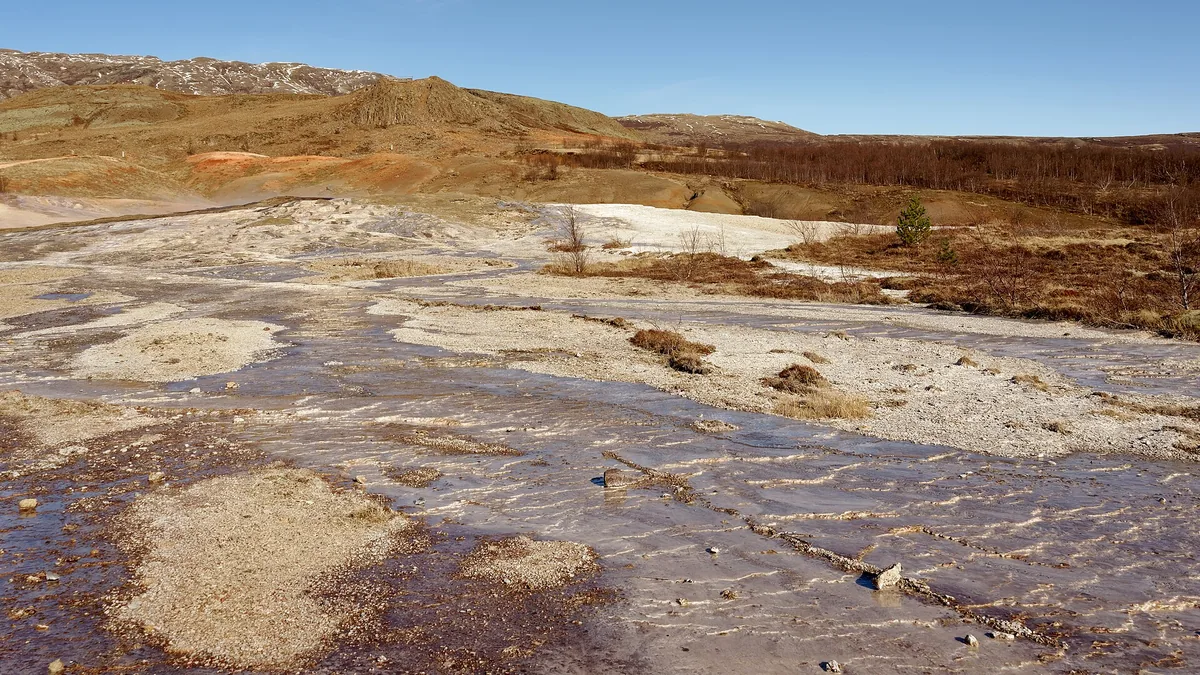
Iceland sits on the boundary between two tectonic plates, and the practical consequence is that hot water is everywhere. It heats almost every building in the country, it appears in roadside ditches, and it surfaces in a remarkable number of places where someone has built a pool around it. Most visitors encounter exactly one of those places. The rest — the small local pools, the natural springs and a handful of genuinely wild hot spots — are where Icelanders actually go, and they are cheaper, warmer in atmosphere and far less crowded.
The local pool culture
The single most useful thing to understand about Icelandic hot water is that the local swimming pool is a civic institution rather than a tourist attraction. Nearly every town of any size has a heated outdoor pool complex with hot tubs at graded temperatures, steam rooms and cold plunges. Entry costs a fraction of the famous geothermal spas, and they are open year-round in weather that would close an outdoor pool anywhere else.
These pools are where the country actually socialises. People go after work, take their children, and sit in the hot pot talking for an hour. You will hear Icelandic rather than English, which for many visitors is a more interesting experience than the alternative.
The etiquette is non-negotiable and strictly enforced: shower fully without a swimsuit using the provided soap before entering. Signs are posted in multiple languages and attendants do check. This is not prudishness — it is because the pools use minimal chlorine and rely on the washing rule to stay clean. Learn it before you go and you will not be the person being pointed at.
Natural springs you can still visit
Several natural hot springs around the country are open to visitors, and they represent the experience most people are actually looking for: hot water in a natural setting with a view. Access varies considerably.
Some are free, unsigned, and reached by a short walk from a parking area. Some have a small honesty-box fee and a basic changing shelter. Some are on private farmland where access is tolerated rather than formally granted. And some have been closed to visitors in recent years, because heavy traffic damaged the vegetation around them or because the ground became unsafe.
Check current access before you drive anywhere. A spring that was open last season may be closed now, and springs where the ground is hot can change quickly. Never enter water where a sign prohibits it, and never test unfamiliar ground with bare feet.
Why some springs have closed
This is worth understanding, because it explains the etiquette and it explains why asking for specific locations online often gets a reluctant answer. Fragile geothermal vegetation grows around the margins of these springs and recovers extremely slowly; a season of heavy foot traffic can destroy ground that took a long time to form. Hot ground also shifts, and what was a comfortable pool can become a scalding one with little warning.
The result is that some well-known springs have been closed by landowners who were generous and then overwhelmed. That is a pattern being repeated in many countries, and the behaviour that prevents it is simple: stay on established paths, do not widen or dam pools, carry out everything you bring, and do not post precise coordinates of fragile sites publicly.
Treating these places as borrowable rather than as attractions is what keeps them open.
Temperature varies more than you expect
Geothermal water in Iceland ranges from lukewarm to genuinely dangerous. A comfortable soaking pool sits around 36 to 40 degrees Celsius. Water above about 42 degrees becomes uncomfortable quickly, and water above 45 can scald. Springs two hundred metres apart can differ by ten degrees, and a single pool can have a hot inlet at one end and a cool outflow at the other.
Test with your hand before getting in, and get in slowly rather than all at once. The combination of very hot water and cold air can cause lightheadedness, particularly if you have been walking or are dehydrated. Get out if you feel dizzy, cool down, and re-enter.
Time in the water matters as much as temperature. Twenty minutes at a time with breaks is a better plan than an hour continuous, and alternating with a cold plunge is the local pattern for good reason — it is genuinely more pleasant and it keeps your core temperature in check.
Why some pools are milky blue and others are green
The famous pale blue colour of certain geothermal pools comes from silica suspended in the water, which scatters light and produces that distinctive opaque appearance. It is a natural effect and it depends on the specific geochemistry of the source.
Other pools are clear, and pools with lower temperatures often develop algal growth around the margins, which gives them a greenish appearance. None of this indicates cleanliness or the lack of it — the water is constantly flowing and the colour is geology, not hygiene.
What does affect your experience is the runoff. Geothermal water is mineral-rich and canleave deposits on swimwear and jewellery. Rinse afterwards, and consider leaving silver jewellery in your bag, because sulphur compounds tarnish it quickly.
Going in winter changes everything
Hot water in cold air is a fundamentally better experience than hot water in mild air, and Iceland in winter offers air temperatures well below freezing beside water at nearly forty degrees. The contrast is the entire appeal, and the steam, the darkness and the possibility of aurora make it memorable in a way a summer visit cannot match.
The practical adjustments are straightforward. Bring sandals or water shoes for the walk between the changing room and the water, because wet feet on freezing ground is the main discomfort. Take a warm hat — your head will be the only part of you that is cold, and heat loss from a wet head in wind is significant. Keep a dry base layer and socks ready for afterwards.
Move between the water and the changing room efficiently rather than lingering outside wet. Dressing in layers that can go on over damp skin quickly is worth more than any single warm garment.
Safety: the things that actually go wrong
The risks in geothermal areas are specific and worth taking seriously. Hot ground can be thin. Crusts form over boiling water and mud, and in some geothermal fields people have broken through with severe consequences. Stay on marked paths in geothermal areas at all times, and treat every white or grey crust as potentially unstable.
Water temperature is the second risk, discussed above. Test before entering, avoid outlets and inlets where water is hottest, and never enter a pool where the surface is actively steaming in a way that suggests it is near boiling.
Gas is the third and least considered. Geothermal areas can emit hydrogen sulphide, which is toxic and detectable as a strong rotten-egg smell at low concentrations. At higher concentrations it deadens the sense of smell, which is what makes it dangerous. If you smell it strongly, leave the area rather than investigating.
Finally, do not swim alone in remote springs, and tell someone where you are going. These places are often out of phone signal and a long way from assistance.
Building hot springs into a route
The efficient approach is to cluster. Rather than driving to a single spring, plan your route so you pass several in a region, and accept that you will visit perhaps two thirds of what you shortlist depending on weather and access.
Combine springs with local pools. A day that includes a famous natural spring in the afternoon and the town pool in the evening gives you both experiences, and the town pool is warm and open regardless of conditions.
Keep expectations flexible about cloud and rain. A hot spring in rain is still excellent — arguably better, because the steam is more dramatic — and many visitors cancel plans that would have been perfectly good. Bring a dry bag for your clothes and go anyway.
Give yourself more time than you think at each stop. The value is in sitting still in the water for forty minutes, and an itinerary built around arriving and leaving quickly misses the point entirely.
Conclusion
Iceland's hot water is not one commercial lagoon; it is a country-wide resource that locals have been using for generations. Go to the town pools for the real culture and a fraction of the price. Visit the natural springs that remain open, check access before you drive, and treat fragile ground as something you are borrowing. Test the temperature, limit your time in the water, stay on paths in geothermal fields, and go in winter if you possibly can. The famous spa is fine; the rest of the country's hot water is better.
Keep reading
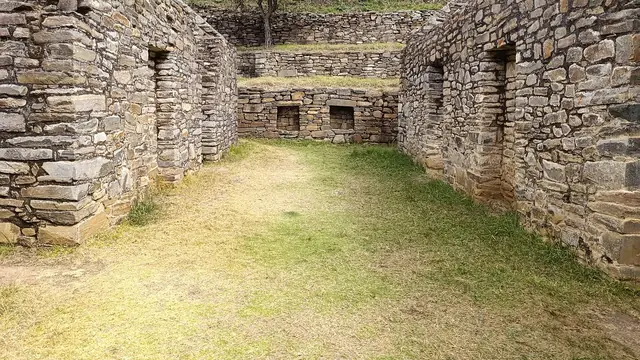
Beyond Machu Picchu: 8 Inca Sites Almost Nobody Visits
Choquequirao, Wari terraces and fortress complexes that see a fraction of Machu Picchu's visitors. Where they are and what the hike involves.
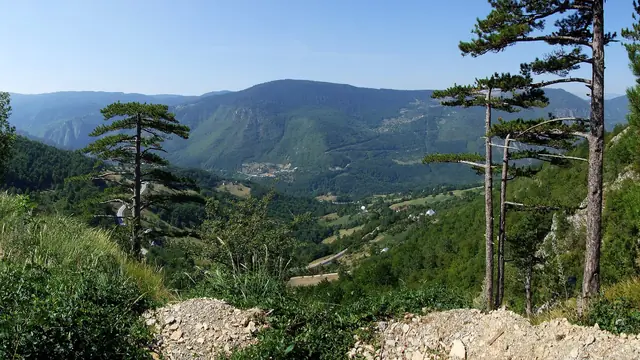
Europe's Deepest Canyon Is Not Where You Think: The Tara River Gorge
The Tara River Canyon cuts deeper than most famous European gorges. How it formed, how it compares to the world's big canyons and how to see it.
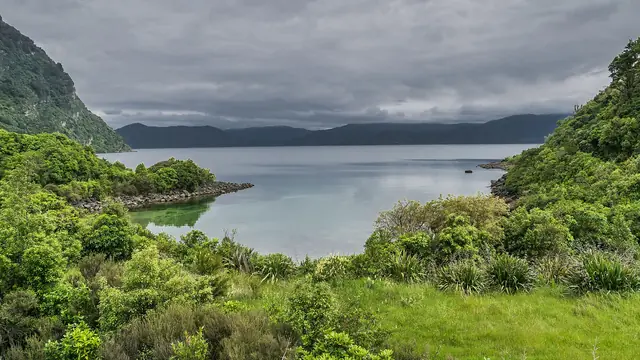
New Zealand's Great Walks: The Four Almost Nobody Books
Most hikers book the Routeburn and Milford. These four Great Walks get a fraction of the traffic with the same alpine and coastal scenery.
