
Destinations
Iceland Ring Road Itinerary: 7 to 10 Days
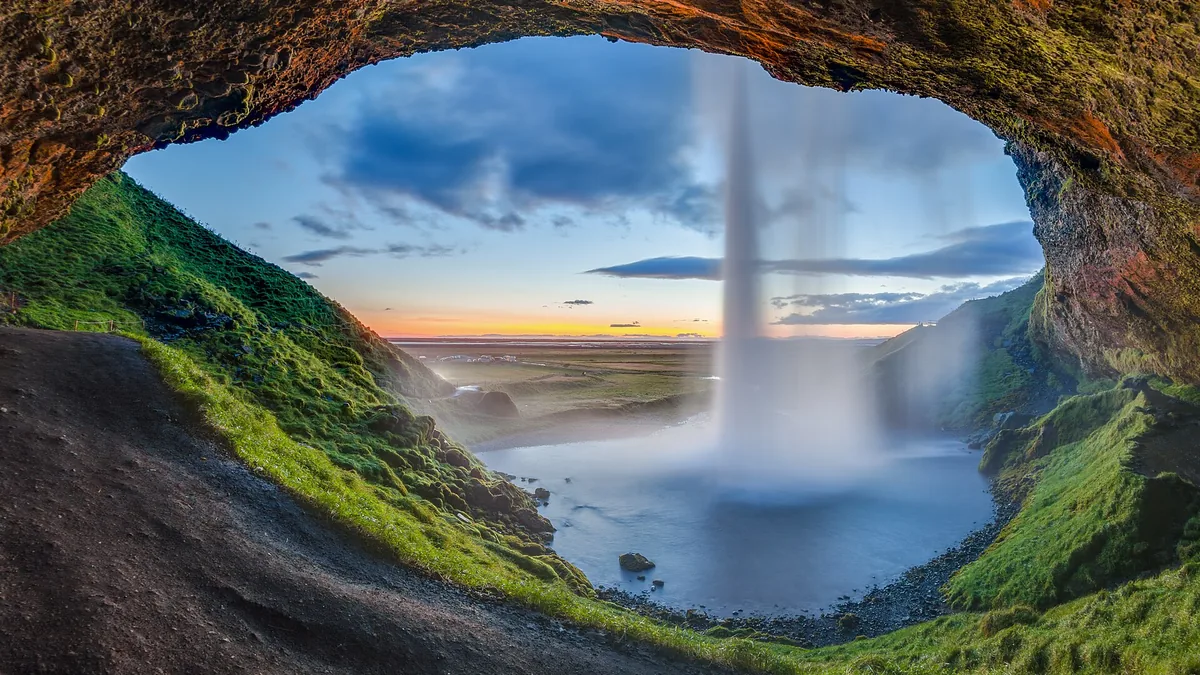
Key takeaways
- Allow at least 7 days for the full Ring Road; 10 days is more comfortable.
- Drive clockwise to reach the less crowded north first, or counter-clockwise for the popular south.
- Book accommodation early, especially in summer; options are sparse in rural areas.
- Check road.is and safetravel.is daily for weather and road conditions.
Iceland's Ring Road — Route 1 — is one of the great road journeys, a 1,332-kilometre loop that circles the island past waterfalls, glacial lagoons, black-sand beaches, lava fields, and fishing villages small enough to have one shop. It is also far more demanding than the photographs suggest: distances are long, weather changes quickly, and accommodation in summer is scarce. This itinerary covers how long to allow, which direction to drive, and what each stretch actually looks like.
How many days do you need?
Seven days is the minimum for the full loop, and it is a rushed seven days. Ten days is comfortable and is what most people who have done it recommend. Two weeks allows the Snæfellsnes Peninsula and the Westfjords without turning the trip into a driving exercise.
The mistake most first-time visitors make is underestimating how slow Icelandic driving is. Speed limits are modest, many roads are single-lane bridges, and there is something worth stopping for every twenty minutes. A 300-kilometre day that looks like four hours on a map can take seven with stops.
Which direction should you drive?
Clockwise — heading east along the south coast second — puts the busiest section at the end of your trip. Counter-clockwise reaches the crowded south coast first, when you are freshest. Both work. Clockwise spreads the crowds slightly better in high summer and is the more common recommendation for July and August.
Days 1–2: Reykjavík to Vík
The south coast is the most visited stretch in the country, and it is genuinely spectacular. Seljalandsfoss lets you walk behind the falling water; Skógafoss is a broad curtain you can climb beside; the black sand at Reynisfjara comes with powerful sneaker waves that have killed visitors, so read and obey the warning signs.
Stay in Vík or nearby. Start early — by mid-morning in summer the main car parks are busy — and allow a full day even though the distance is short.
Days 3–4: Vík to Höfn
This stretch contains the scenery Iceland is famous for. Fjaðrárgljúfur is a winding canyon; Skaftafell offers short glacier walks; and Jökulsárlón, where icebergs calve from Breiðamerkurjökull and drift out to sea, is worth several hours on its own. Diamond Beach, across the road, is where those bergs wash ashore.
Accommodation between Vík and Höfn is limited, so book well ahead in summer. Fuel up whenever you pass a station, because the gaps are long.
Day 5: The East Fjords
The East Fjords are quiet, steep, and considerably emptier than the south. The road winds along the water, passing small fishing villages such as Djúpivogur and the arts community of Seyðisfjörður at the head of a long fjord. Reindeer are sometimes visible in winter.
This is a good day for short walks rather than long drives. Distances between towns are longer than they look, and the road demands attention.
Day 6: Mývatn and the north
Around Mývatn, the landscape turns volcanic: steaming vents, lava fields, and the strange geothermal baths at Jarðböðin. Dettifoss, a short detour north, is Europe's most powerful waterfall by volume. Akureyri, Iceland's second city, is the natural overnight stop.
The north feels noticeably different from the south — greener, quieter, and less photographed — which is precisely why it rewards the drive.
Day 7: West Iceland and the return
Driving south through Skagafjörður and past Hvammstangi brings you back toward Reykjavík. If you can add two days, the Snæfellsnes Peninsula is often described as Iceland in miniature, with a glacier-capped volcano, black beaches, and fishing villages along its coast.
Staying safe on Icelandic roads
Check road.is for road conditions and safetravel.is for travel advisories every morning. Weather changes fast: a clear day can turn into wind strong enough to remove a car door. Sand and ash storms in the south are genuine hazards. Never drive off-road — it is illegal, damages fragile terrain, and voids most rental insurance.
Winter driving requires real experience and a properly equipped vehicle. F-roads, marked with an F, require a four-wheel-drive vehicle and are closed for much of the year.
Practical tips
Fuel is expensive; fill up at every reasonable opportunity, especially in the east and north. Tunnels in the north and west charge tolls. Camping outside designated areas is restricted. Tolls, ferries, and fuel add up, so budget for them separately from accommodation.
Book accommodation as early as you can for June, July, and August, when the loop is busiest. Outside summer, many guesthouses close and some roads become impassable, which is why most Ring Road trips happen between May and September.
Conclusion
The Ring Road is best treated as a ten-day journey rather than a seven-day race. Drive clockwise if you are visiting in high summer, build in a rest day, check the road and weather sites daily, and accept that you will stop far more often than planned. The point of the loop is not to complete it — it is to see what Iceland looks like when you slow down enough to notice.
Keep reading
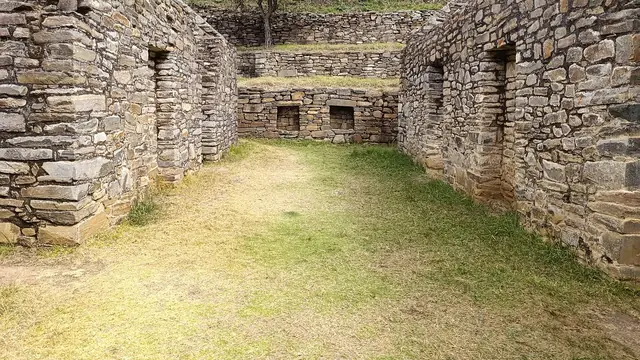
Beyond Machu Picchu: 8 Inca Sites Almost Nobody Visits
Choquequirao, Wari terraces and fortress complexes that see a fraction of Machu Picchu's visitors. Where they are and what the hike involves.
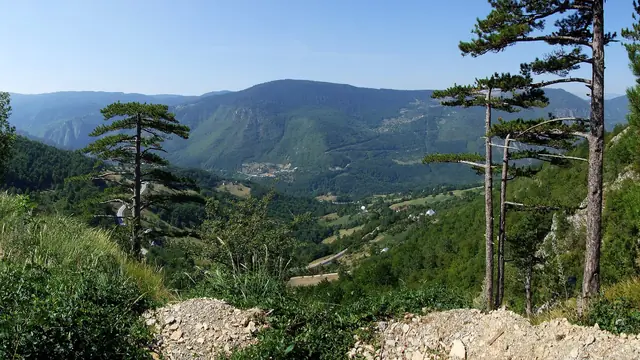
Europe's Deepest Canyon Is Not Where You Think: The Tara River Gorge
The Tara River Canyon cuts deeper than most famous European gorges. How it formed, how it compares to the world's big canyons and how to see it.
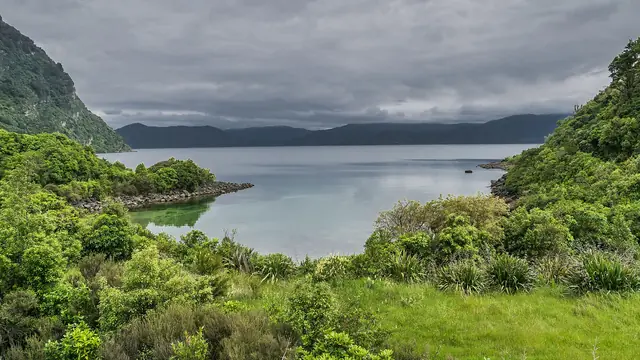
New Zealand's Great Walks: The Four Almost Nobody Books
Most hikers book the Routeburn and Milford. These four Great Walks get a fraction of the traffic with the same alpine and coastal scenery.
