
Destinations
Beyond Everest Base Camp: 5 Nepalese Valleys Almost Nobody Treks
Key takeaways
- Restricted-area permits keep several Nepalese valleys genuinely quiet by design.
- Most alternative valleys sit in the rain shadow, which changes the trekking season entirely.
- Teahouse infrastructure exists but is thinner — expect longer between stops.
- These routes require a licensed guide, which is also what keeps them quiet.
The Everest Base Camp trek is Nepal's most famous walk, and in peak season parts of it feel like a queue. What most visitors do not realise is that the same country holds valleys with equal mountain drama, more intact village culture and a fraction of the traffic — some of them by deliberate policy. Restricted-area permits cap visitor numbers in several regions, which means quiet is not an accident there; it is the design. Here are five valleys that reward going elsewhere.
Why these valleys are quiet by design
Nepal operates a restricted-area permit system in border regions. These permits cost significantly more than standard trekking permits, require a licensed guide, and usually require a minimum group size of two. The combination prices out casual traffic and, more importantly, caps it.
The historical reason for the system is border security and the protection of fragile cultures in remote areas. The practical effect for a trekker is that you get a region where infrastructure opened to tourism relatively recently and where the number of visitors per week is measured in dozens rather than hundreds.
What this means in practice: teahouses exist and are comfortable, but there are fewer of them, and you may walk for hours without passing another group. That is the trade you are making — more money, more paperwork, and considerably more solitude.
Do not treat these as easier alternatives. Some are harder than Everest Base Camp, some are more remote, and all of them require a guide. They are alternatives in character, not in difficulty.
Nar and Phu
Nar Phu sits north of the Annapurna Circuit, in a landscape that changes character completely as you cross the range. Below the pass you are in green, terraced, Hindu-influenced valleys. Above it you enter a dry, high, Tibetan Buddhist region of stone villages, mani walls and monasteries, with a visual similarity to the Tibetan plateau.
Phu village is one of the most striking settlements in the country — a compact cluster of stone houses beneath a fortress-like ridge, with a monastery above it. The valley beyond leads towards the border and holds some genuinely serious mountaineering terrain, including peaks that see very few ascents.
The trek typically runs around two weeks and crosses a pass above 5,300 metres, so acclimatization is not optional. Because it is a restricted area, the permit process adds cost and lead time. What you receive is arguably the most culturally distinct trek in the country and the quietest.
Tsum Valley
Tsum is a side valley off the Manaslu circuit, and it is the place most often recommended to people who want an alternative to the crowds without an expedition-level commitment. The valley is sacred in local Buddhist tradition, it was closed to outsiders until the 1990s, and it retains a density of monasteries, chortens and mani walls that is unusual even by Himalayan standards.
The walking is moderate by Nepalese standards and the altitude is manageable, topping out well below the high passes that define some of the other routes on this list. That combination makes it one of the more accessible restricted areas, and it is a reasonable choice for a first Himalayan trek as long as you are happy with the permit requirements.
The standout is the monastery at Mu Gompa near the head of the valley, with views across to the big peaks of the Manaslu massif. The valley also has a distinctive local dialect and a set of customs that differ noticeably from the surrounding regions.
Upper Mustang
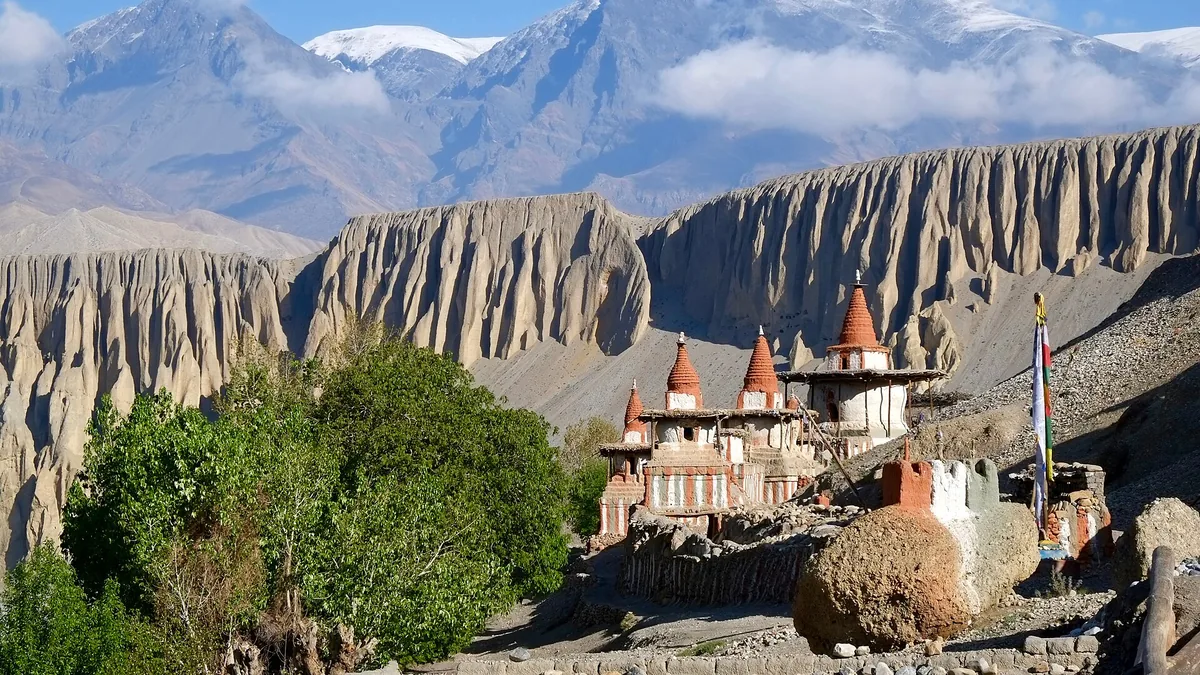
Upper Mustang was a forbidden kingdom in the literal sense — closed to foreigners until 1992 — and it remains the most culturally distinct region in Nepal. The landscape is arid, eroded and multicoloured, more reminiscent of the Tibetan plateau than of the green Himalaya most people picture. The walled capital at Lo Manthang, the cave complexes carved into cliffs, and the monasteries with centuries-old murals are unlike anything else in the country.
Because it lies in the rain shadow of the main range, Mustang is dry enough to trek in the summer monsoon months when the rest of the country is washed out. That alone makes it strategically useful for anyone whose only available window is June or July.
The trade-offs are real. It is the most expensive permit area in Nepal, access is increasingly by vehicle along a rough road rather than on foot, and the road has changed the character of the lower sections considerably. Walking as much of it as possible rather than driving is the difference between a trek and a tour.
Dolpo
Dolpo is the most remote region on this list and the most committing. It lies beyond the Dhaulagiri range in the far northwest, and reaching it involves either a long approach walk or a flight into a small airstrip. Treks here run three weeks or more, cross multiple high passes, and require full camping support in parts.
The region is one of the last strongholds of Tibetan culture in Nepal, it holds the country's largest national park, and it contains Phoksundo Lake, which is widely described as the most beautiful lake in Nepal. The landscape is high, dry and enormous, and the sense of distance from the rest of the country is profound.
This is not a first Himalayan trek. It is the right choice for someone who has already walked in Nepal, wants genuine remoteness, and has the time and budget for a proper expedition. The reward is a region where you may go days without seeing another trekking group.
The Kanchenjunga region
In the far east, the Kanchenjunga area offers a trek to the base camps of the world's third-highest mountain without the Everest crowds. The region is greener and wetter than the western areas, the forest is dense, and the approach through villages and terraced farmland is a genuine contrast to the high dry valleys of Mustang and Dolpo.
Both the north and south base camp routes are possible, and combining them involves crossing a high pass. The trek is long — typically three weeks — and remote, with limited teahouse infrastructure in parts. It suits people who want a big mountain objective with real walking rather than a well-trodden itinerary.
Weather is the main constraint. Being in the east, the region receives more of the monsoon, and the windows are tighter than in the rain shadow areas. October and November are the reliable months.
Permits, guides and what it costs
Restricted-area permits are issued through registered agencies in Kathmandu and cannot be obtained independently. You will also need the standard conservation area or national park entry permit, and a TIMS card or its current equivalent. Requirements change, so verify with an agency before you plan around them.
Costs vary substantially by region and season, with the most restricted areas considerably more expensive per day than standard trekking regions. Budget for the guide — mandatory in restricted areas — plus porter or pack animal support, camping fees where teahouses do not exist, and the permit itself. A three-week restricted-area trek is a significantly larger investment than the standard classic routes.
Book through a reputable agency and be clear about what is included. Ask specifically about insurance for staff, about the accommodation standard, and about what happens if weather forces a change of plan. The agencies that answer those questions clearly are generally the ones worth using.
Timing, acclimatization and fitness
October and November give the clearest skies and the most stable weather across most of these regions. March to May is the second window, warmer and dustier with better rhododendron flowering at lower elevations. The monsoon months of June to August are viable only in the rain shadow regions — principally Mustang and parts of Dolpo.
Acclimatization matters more on several of these routes than on Everest Base Camp, because some cross higher passes with fewer options to descend. Build in rest days, ascend gradually, and know the symptoms of altitude sickness in yourself and in anyone you are travelling with. The correct response to symptoms is to descend, and that decision should never be delayed by an itinerary.
Fitness requirements scale with remoteness. For Tsum or Nar Phu, good general fitness and some hill experience is enough. For Dolpo or Kanchenjunga, previous multi-day trekking experience and genuine aerobic fitness are prerequisites rather than recommendations.
Conclusion
Nepal's quiet valleys are not a compromise; several of them are better treks than the famous one. Tsum and Nar Phu offer cultural depth and manageable altitude with a real permit barrier keeping them empty. Mustang offers a landscape that looks like nowhere else in the country and a summer window nobody else has. Dolpo and Kanchenjunga are the expedition options, for trekkers with time and prior experience. Budget for the permits, go in October or November, treat acclimatization as part of the itinerary, and you will spend three weeks meeting the Himalaya on better terms than most.
Keep reading
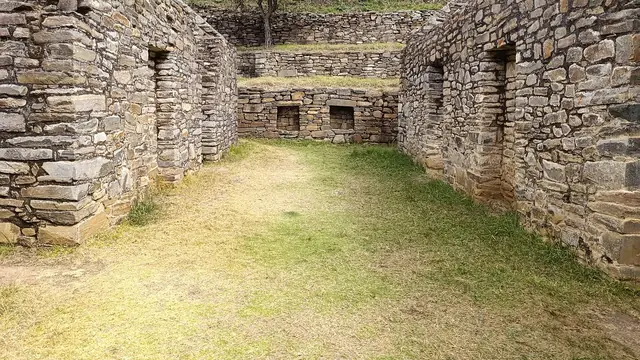
Beyond Machu Picchu: 8 Inca Sites Almost Nobody Visits
Choquequirao, Wari terraces and fortress complexes that see a fraction of Machu Picchu's visitors. Where they are and what the hike involves.
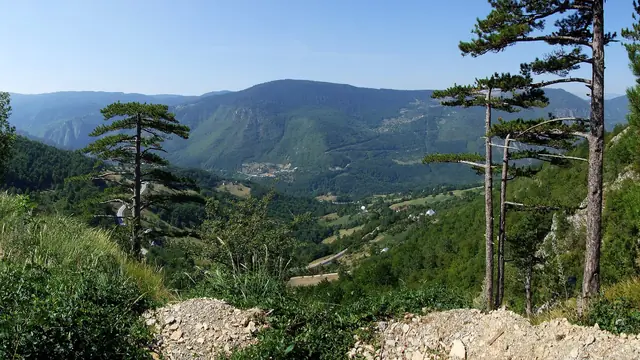
Europe's Deepest Canyon Is Not Where You Think: The Tara River Gorge
The Tara River Canyon cuts deeper than most famous European gorges. How it formed, how it compares to the world's big canyons and how to see it.
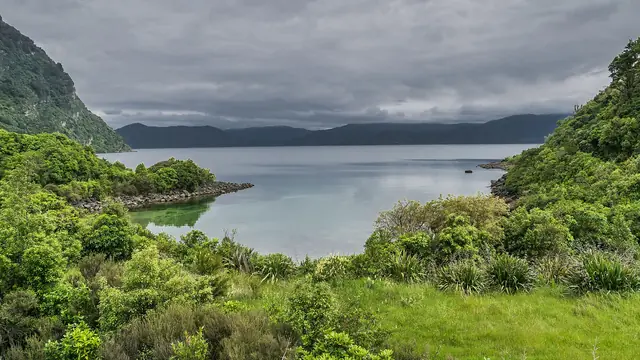
New Zealand's Great Walks: The Four Almost Nobody Books
Most hikers book the Routeburn and Milford. These four Great Walks get a fraction of the traffic with the same alpine and coastal scenery.
