
Destinations
5 Abandoned Towns in the American Southwest You Can Still Visit
Key takeaways
- Ghost towns range from protected parks to fragile private property.
- Most buildings are unsafe to enter: admire them from outside.
- Early morning and late afternoon give the best photographic light.
- Never remove artifacts; many ghost towns are legally protected.
The American Southwest is scattered with towns that boomed on mining, railroads, and frontier ambition, then emptied almost as quickly when the ore ran out or the highway bypassed them. What remains — crumbling storefronts, rusted machinery, and streets that have been silent for a century — is some of the most atmospheric travel in the United States. These five are all legally accessible to visitors, and each comes with a different set of rules and risks.
1. Bodie, California
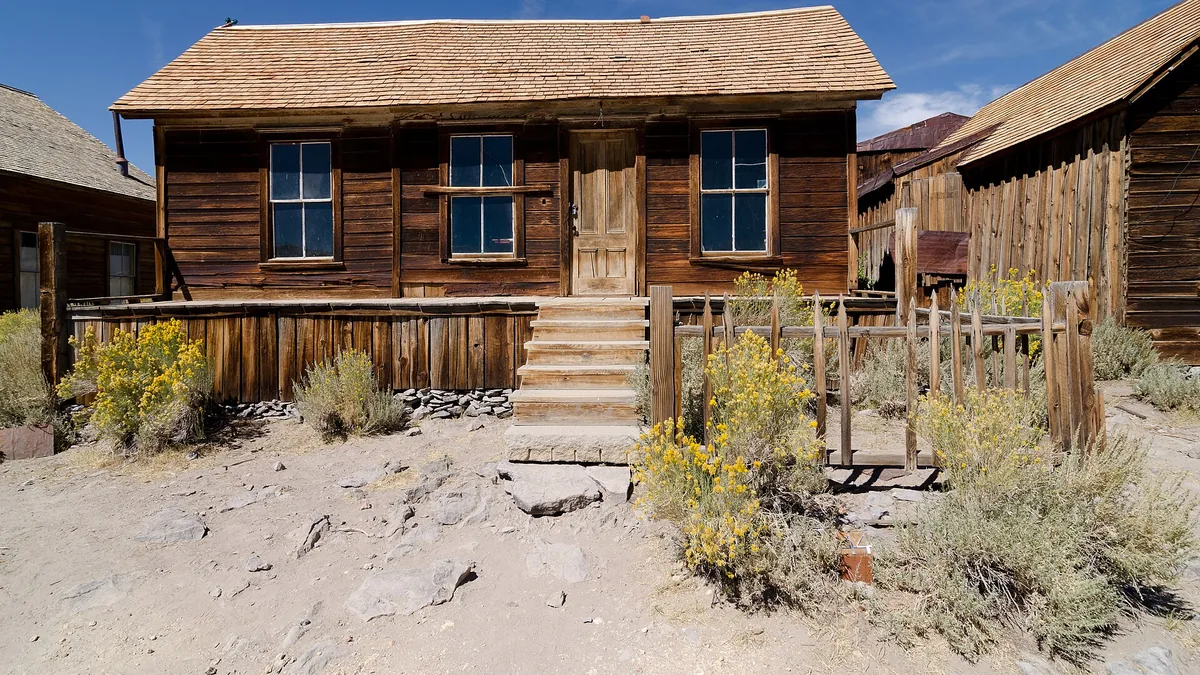
Bodie is the best-preserved ghost town in the country and the most instructive: a gold-mining settlement that once held more than 10,000 people, now maintained in a deliberate state of "arrested decay" inside Bodie State Historic Park. Visitors walk past an intact church, a schoolhouse, a saloon, and houses still holding furniture, and the park's policy is to stabilise rather than restore, which is why it feels so present.
Two practical notes. It sits above 2,500 metres, so winters are severe and the access road can turn rough after storms. And it is genuinely remote — the last stretch is unpaved, and there is no fuel or food on site. Arrive early, carry water, and check road conditions before committing.
2. Terlingua, Texas
Terlingua was a mercury-mining town that collapsed after the Second World War, leaving adobe ruins, a hillside cemetery, and a handful of residents who value the isolation. It sits just outside Big Bend National Park, which makes it a natural base for the desert, the river canyons, and some of the darkest night skies in the lower 48.
The town is not entirely abandoned — a small community, a few lodges, and an annual chili cook-off keep it alive. Most of the year the pace is closer to a whisper than a festival. Summer heat is extreme, so visit in the cooler months and treat water as the primary logistical concern.
3. Jerome, Arizona
Jerome was built on a steep hillside above one of the richest copper mines in Arizona and earned a reputation as the wickedest town in the West. When the mine closed, the population fell from thousands to a few dozen, and the town became a ghost town with a post office. Then artists, gallery owners, and hoteliers moved in, and it became something unusual: a working village inside a ruin.
Today you can visit the mine museum, walk streets that switchback up the slope, and eat in buildings that were saloons a century ago. It is less than an hour from Sedona and easy to combine with a wider northern Arizona itinerary. Parking on the hillside is tight; park at the top and walk down.
4. Rhyolite, Nevada
Rhyolite appeared during the gold rush near Death Valley and was largely finished within a decade, leaving behind a bank building with a full vault, a schoolhouse, a jail, and the famous Bottle House, built partly from thousands of glass bottles. It sits against the Bullfrog Hills, and the light at sunrise and sunset is the reason photographers keep returning.
It is just outside Death Valley National Park, which makes it an easy side trip. The heat here is dangerous from late spring through early autumn — this is not a midday visit — and there is no shade, water, or fuel. Go early, carry far more water than you think you need, and do not walk into unstable structures.
5. Glenrio, New Mexico and Texas
Glenrio straddles the state line on the old Route 66, and for decades it served motorists crossing between New Mexico and Texas. When the interstate opened nearby, the traffic disappeared almost overnight, and the gas stations, motels, and cafés were simply abandoned where they stood.
What makes Glenrio striking is the emptiness of the surrounding plains rather than the buildings themselves. It is best visited as part of a Route 66 road trip, and access is limited: several structures are private property, so admire from the roadside and respect posted signs.
What to expect at ghost towns
Ghost towns fall into three categories: protected parks with signage and visitor facilities, privately held sites with informal access, and wholly unprotected ruins on public land. Identify which you are visiting before you go, because the rules differ sharply and the penalties for removing artefacts are real.
Most buildings are unsafe to enter. Mine shafts are the most dangerous feature in the Southwest — many are unmarked, vertical, and deep, and the ground around them can be unstable. Admire from a distance and keep children and dogs close.
Practical and ethical notes
Bring water, sun protection, and sturdy closed shoes; desert temperatures swing dramatically between day and night. There is often no cell coverage, so download offline maps and tell someone your route. Fuel up before you leave the last town.
The ethics matter as much as the logistics. Do not remove anything, do not climb unstable walls, and do not disturb ruins. Many sites are protected by law, and taking a bottle or a sign as a souvenir can carry a fine. The reason Bodie and Rhyolite are worth visiting is that generations of visitors left them alone.
Conclusion
The abandoned towns of the American Southwest are windows into a brief, hard chapter of history, and they reward curiosity and restraint in equal measure. Visit them early in the day, carry more water than seems reasonable, stay out of unsafe structures, and leave everything exactly where you found it — so the next traveller finds the same silence you did.
Keep reading
Beyond Machu Picchu: 8 Inca Sites Almost Nobody Visits
Choquequirao, Wari terraces and fortress complexes that see a fraction of Machu Picchu's visitors. Where they are and what the hike involves.
Europe's Deepest Canyon Is Not Where You Think: The Tara River Gorge
The Tara River Canyon cuts deeper than most famous European gorges. How it formed, how it compares to the world's big canyons and how to see it.
New Zealand's Great Walks: The Four Almost Nobody Books
Most hikers book the Routeburn and Milford. These four Great Walks get a fraction of the traffic with the same alpine and coastal scenery.
