
Destinations
7 Hidden Hiking Trails in Utah Almost No One Knows About
Key takeaways
- Utah's best quiet trails lie outside the Mighty 5 national parks.
- Many hidden routes require high-clearance vehicles and route-finding skills.
- Slot canyons demand flash flood awareness and a current weather forecast.
- Carry a paper map: cell service is rare in remote Utah.
Utah is famous for Zion, Bryce, and Arches, but those crowds can steal the silence. Beyond the national parks, hidden canyons, remote mesas, and little-known trails offer the same red-rock magic with almost no one around. Here are seven hidden hiking trails in Utah that almost no one knows about.
1. Upper Parunuweap Canyon
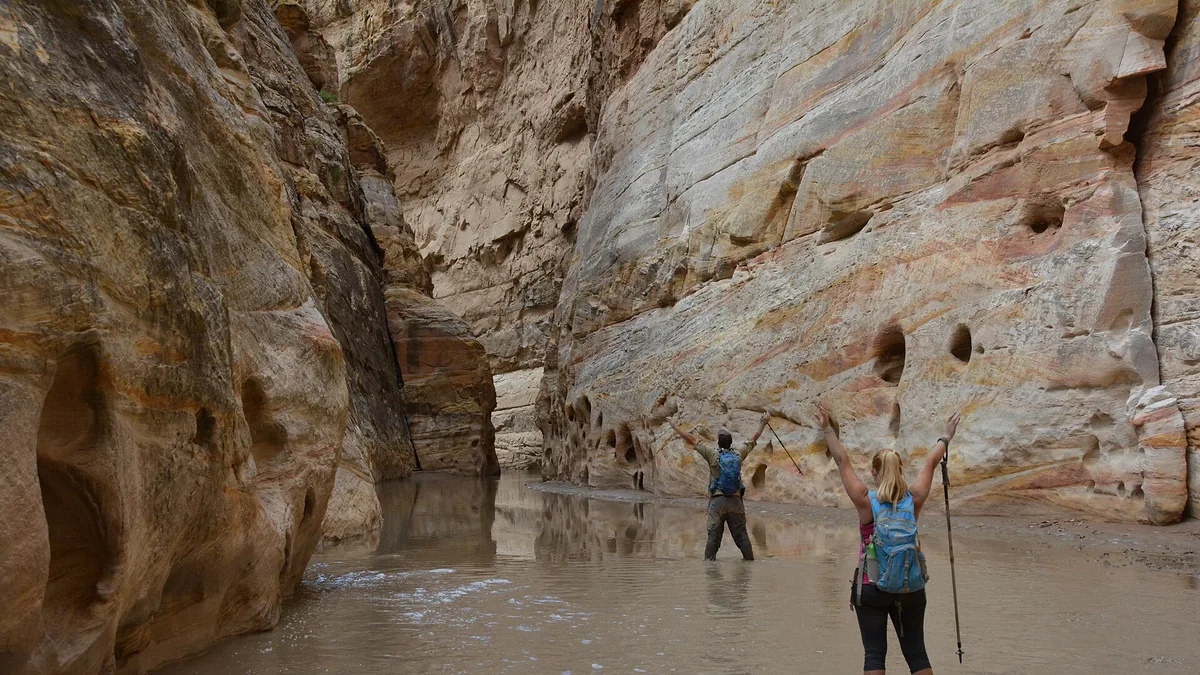
Parunuweap is the less-visited eastern counterpart to Zion's Narrows. This slot canyon follows the East Fork of the Virgin River through sculpted sandstone and sandy washes. The hike involves wading, scrambling, and route finding, so experience with canyon travel is essential. Water levels change with the season, and flash floods are a real danger. Those who come prepared find a dramatic canyon few hikers ever see.
2. Moonshine Wash
Located in the San Rafael Swell, Moonshine Wash is a short but rewarding slot canyon with tight squeezes, carved walls, and a surprising amount of beauty for such a quick trip. The trailhead is unmarked, which keeps the crowds away. A short scramble leads into the slot, and a few narrow sections may require passing packs or using basic canyoneering moves. Spring and fall offer the most comfortable temperatures.
3. Druid Arch, Canyonlands Needles District
Druid Arch is not exactly a secret, but the long approach keeps it quiet compared to nearby arches. The hike begins at Elephant Hill and crosses slickrock, washes, and open desert before reaching the improbable stone arch framed by canyon walls. The 11-mile round trip is best done as a long day hike or an overnight. Carry more water than you think you need, and start early to beat the heat.
4. Fifty Mile Mountain
Fifty Mile Mountain sits on the edge of Grand Staircase-Escalante National Monument and offers sweeping views across the Escalante canyons. The area is remote, with rough roads leading to trailheads that feel like the end of the world. Hikes here cross slickrock domes, ponderosa pine forests, and open ridges. Navigation skills matter because trails are not always well marked. A high-clearance vehicle is helpful for access.
5. Davis Gulch
Davis Gulch is a quiet side canyon of the Escalante River, best known as one of the places where Everett Ruess disappeared in the 1930s. The hike follows the gulch past prehistoric ruins, natural arches, and clear pools. The remoteness and mild scramble sections keep the trail peaceful. Spring runoff can make the lower gulch difficult, so plan your visit for late spring or fall.
6. Mount Ellen, Henry Mountains
The Henry Mountains are one of the least visited mountain ranges in the continental United States. Mount Ellen, the highest peak, rises above high meadows and aspen forests. The road to the summit area is rough, but the views stretch from Canyonlands to the Wasatch Front. Wildflowers bloom in summer, and fall colors turn the aspen groves gold. Bring a map and be self-sufficient, because services are nonexistent.
7. Little Death Hollow
Little Death Hollow is a narrow slot canyon in the Escalante region that rivals the famous Peek-a-Boo and Spooky Gulch, but without the crowds. The slot requires squeezing through tight walls and passing under chokestones. It is best combined with a loop through Wolverine Canyon for a full day of exploration. Canyoneering experience and a reliable weather forecast are essential before entering any slot canyon.
Planning tips for hidden Utah trails
Many of these trails require high-clearance vehicles, route-finding skills, and careful water planning. Cell service is rare. Tell someone your plan, carry a paper map, and check weather forecasts for flash flood risk before entering canyons. Pack out everything you bring in, and respect the fragile desert environment.
Conclusion
Utah's hidden trails reward hikers willing to leave the main parks behind. From slot canyons and desert arches to forested peaks, these lesser-known routes offer solitude and scenery in equal measure. Plan carefully, respect the land, and enjoy the quiet side of Utah.
Keep reading
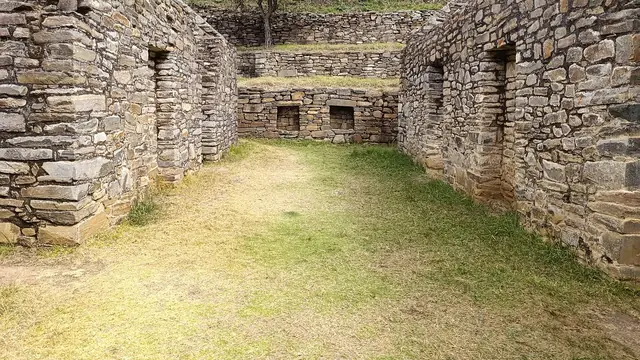
Beyond Machu Picchu: 8 Inca Sites Almost Nobody Visits
Choquequirao, Wari terraces and fortress complexes that see a fraction of Machu Picchu's visitors. Where they are and what the hike involves.
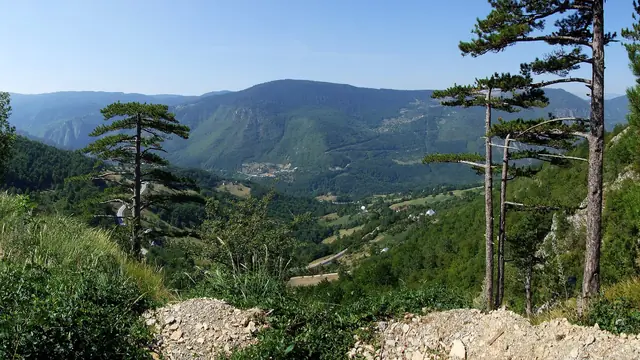
Europe's Deepest Canyon Is Not Where You Think: The Tara River Gorge
The Tara River Canyon cuts deeper than most famous European gorges. How it formed, how it compares to the world's big canyons and how to see it.
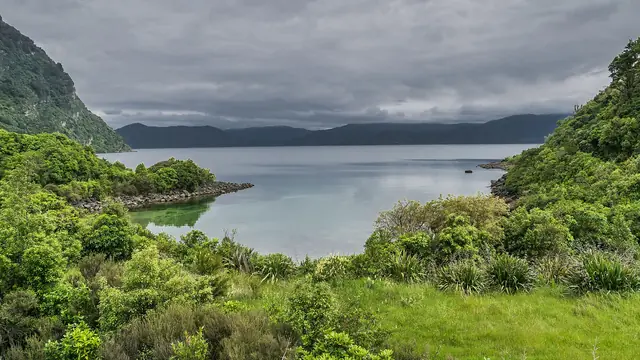
New Zealand's Great Walks: The Four Almost Nobody Books
Most hikers book the Routeburn and Milford. These four Great Walks get a fraction of the traffic with the same alpine and coastal scenery.
