The Best Tents for Wild Camping in 2026: 8 Shelters Tested in Real Weather
Compare the best wild camping tents of 2026 on weight, weather resistance and pack size. Real picks for solo trekkers, pairs and shoulder-season trips.
Buy for the worst night you plan to have, not the best one.
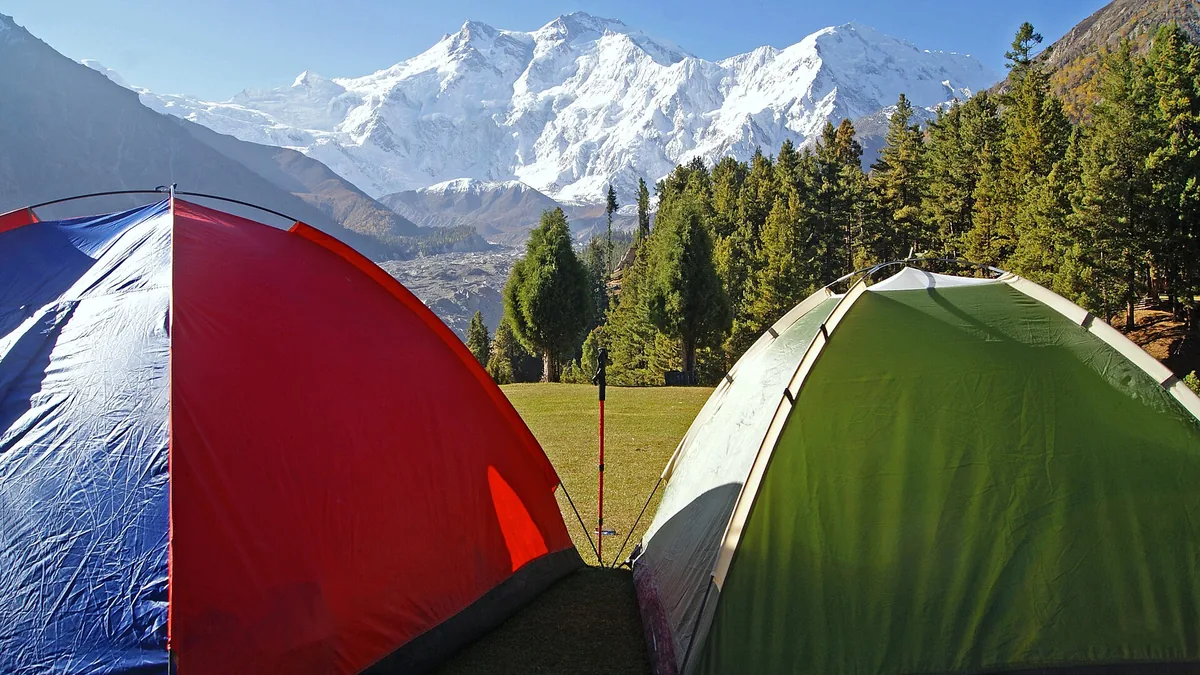
A tent is a compromise between weight, space, weather protection and price, and you can only pick two and a half. The decision that actually matters is what conditions you will use it in most, because a tent bought for a single hypothetical storm will be unnecessarily heavy for every other night of the year. For most people, a solid three-season freestanding tent covers 90% of real use.
The decisions that actually change the outcome.
Matched to what you will actually do with it.
Use case: Multi-day trips in spring through autumn, up to moderate wind
The single most useful tent category. Look for a full rain fly, an aluminium pole set and a tub floor that rises well above the ground.
Use case: Long-distance hiking where grams matter more than comfort
Saves 1 kg or more over a double-wall tent. Requires skill to pitch well and offers no insect protection unless paired with a net.
Use case: Drive-in campsites where weight is irrelevant
Standing height and genuine living space for a fraction of the price of an equivalent backpacking tent. Buy the biggest you can fit in the car.
Use case: Snow, high wind and winter conditions
Stronger pole geometry, fewer flat panels and a lower profile. Heavy and hot in summer — only buy if you genuinely need it.
Use case: Protecting the floor of any tent
The cheapest way to double the life of a tent floor. Cut it slightly smaller than the footprint so it does not channel water underneath.
Some outbound gear links are affiliate links. If you buy through them we may earn a commission at no extra cost to you. This never changes which products we recommend.
The expensive ways to get this wrong.
Compare the best wild camping tents of 2026 on weight, weather resistance and pack size. Real picks for solo trekkers, pairs and shoulder-season trips.
Six wilderness shelter designs — lean-to, debris hut, tarp configurations and snow shelters — with the situation each one is actually built for.
A practical lightweight camping gear checklist for backpackers. Shelter, sleep system, cooking kit, clothing, and pack organization.
Avoid the ten most common first-time camping mistakes: weather planning, sleeping pads, tent placement, layers, food, gear testing, and safety planning.