The Best Portable Water Filters of 2026, Compared: Squeeze, Pump, Gravity and Bottle
Squeeze, pump, gravity and bottle filters compared on flow rate, weight, filter life and what each one actually removes from backcountry water.
You need to remove three different things: sediment, protozoa and bacteria, and viruses.
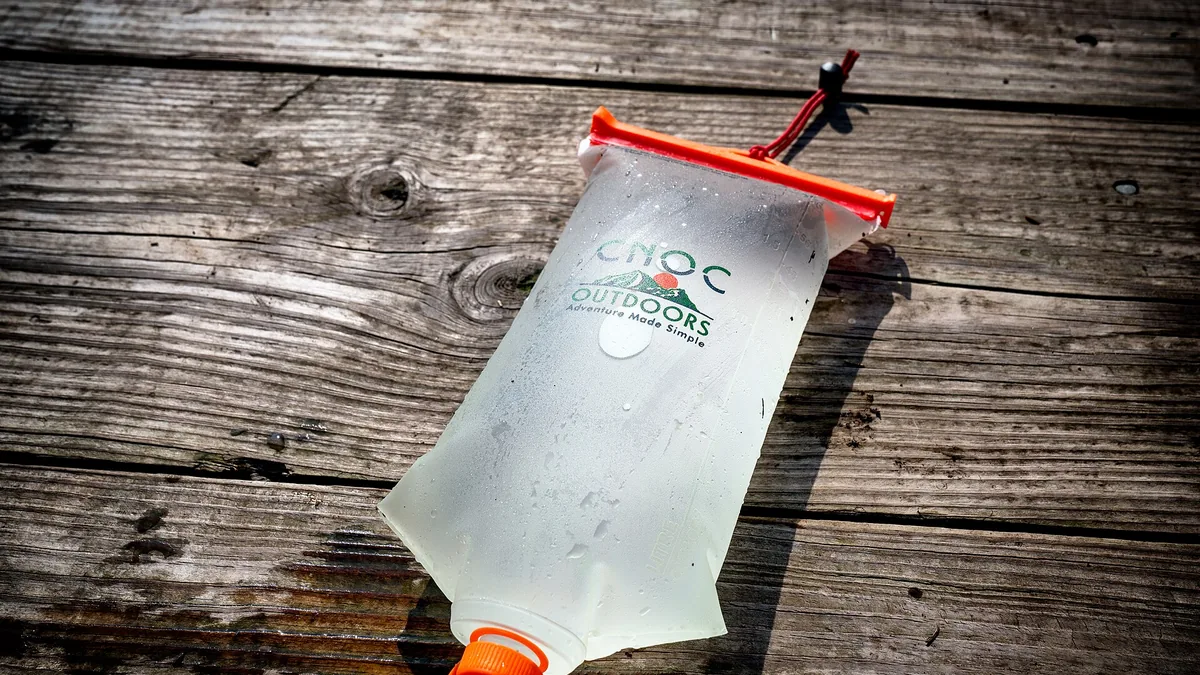
Water treatment is not one problem, it is three. Sediment is visible and easy. Protozoa like Giardia are relatively large and easy to filter. Bacteria are smaller and need a finer filter. Viruses are small enough to pass through most filters entirely, which is why some destinations need chemical treatment or a purifier rather than a filter. Match the method to the actual risk where you are going.
The decisions that actually change the outcome.
Matched to what you will actually do with it.
Use case: Backpacking and trekking in most of the world
Light, fast, and removes protozoa and bacteria. The standard modern choice. Backflush it regularly or the flow rate drops to nothing.
Use case: Camps and groups, where you filter several litres at once
Hang it and walk away. Slower per litre than squeezing but requires no effort, which means you actually drink enough.
Use case: Backup, and primary treatment where viruses are a risk
Weighs almost nothing, kills viruses, and works when the filter is frozen or clogged. Wait the full contact time.
Use case: Travel and clear water sources
Fast and effective against all three classes, but only in clear water — sediment shields organisms from the light.
Use case: Travel, day hikes and urban use
Filter and container in one. Convenient and cheap; less useful for refilling a cook pot or a hydration bladder.
Some outbound gear links are affiliate links. If you buy through them we may earn a commission at no extra cost to you. This never changes which products we recommend.
The expensive ways to get this wrong.
Squeeze, pump, gravity and bottle filters compared on flow rate, weight, filter life and what each one actually removes from backcountry water.
Compare five wilderness water purification methods: pump filters, squeeze filters, gravity filters, chemical treatment, boiling, and UV pens. Learn what each removes.
A complete 3-day hiking packing list for beginners. Shelter, sleep system, clothing layers, footwear, cooking, navigation, and safety gear explained.