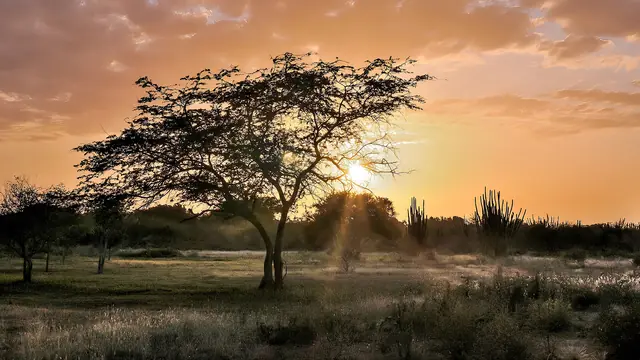
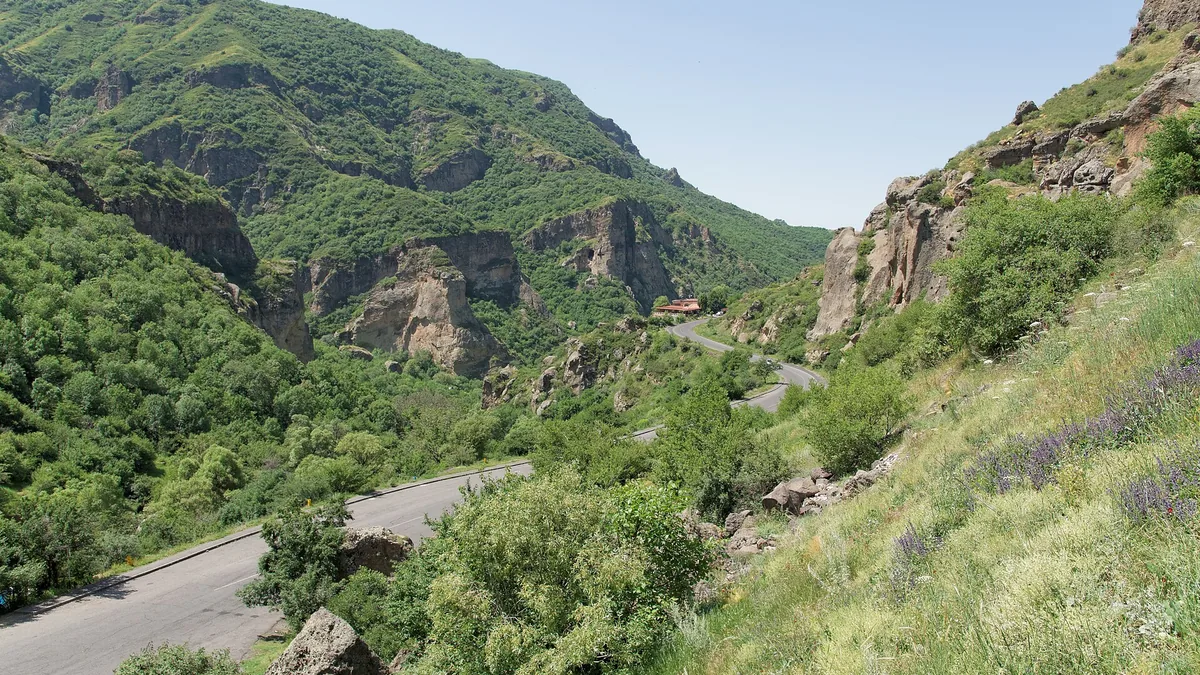
The biggest improvements to most travel photography are free: arrive at the right time of day, get closer, hold the camera steady, and stop photographing everything at eye level in the middle of the day. Equipment matters, but it matters third or fourth, well behind light and composition.
Getting started
What to do first, in the order that matters.
Learn to use one camera properly before buying another. Most people have never changed the default settings.
Shoot in the first and last hour of daylight. This single change improves more photographs than any lens purchase.
Get closer than feels natural. Most travel photographs fail because the subject is too small in the frame.
Learn the exposure triangle — aperture, shutter speed, ISO — well enough to make decisions rather than guesses.
Shoot in RAW if your camera supports it, then learn to process one image properly.
Gear checklist
The items that genuinely earn their weight.
A camera you will actually carry, which for most people means small
One fast prime lens, which teaches composition and works in low light
A lightweight travel tripod for dawn, dusk and long exposures
Two spare batteries and a charger — cold and altitude drain them fast
A lens cloth and a rocket blower: dust and salt are constant on the road
A comfortable strap or clip system, so the camera is accessible rather than packed
Safety notes
What actually goes wrong.
Never step backward for a better angle without looking behind you. It is a genuine and common cause of falls.
Be aware of your surroundings when shooting in a busy street — cameras advertise that you are carrying valuables.
Do not go out onto a glacier, cliff edge or ledge for a photograph. Every year people die doing this.
Ask before photographing people, particularly in places with restricted religious or cultural sites.
Back up every night. A lost card at the end of a trip is unrecoverable.
Common mistakes
The ones we see repeated most often.
Photographing only at midday, when the light is flat and harsh
Shooting everything from eye level at the same distance
Never changing out of automatic mode
Carrying so much gear that the camera stays in the bag
Not backing up until the trip is over
Spending the whole trip behind the viewfinder instead of in the place