
Natural Wonders
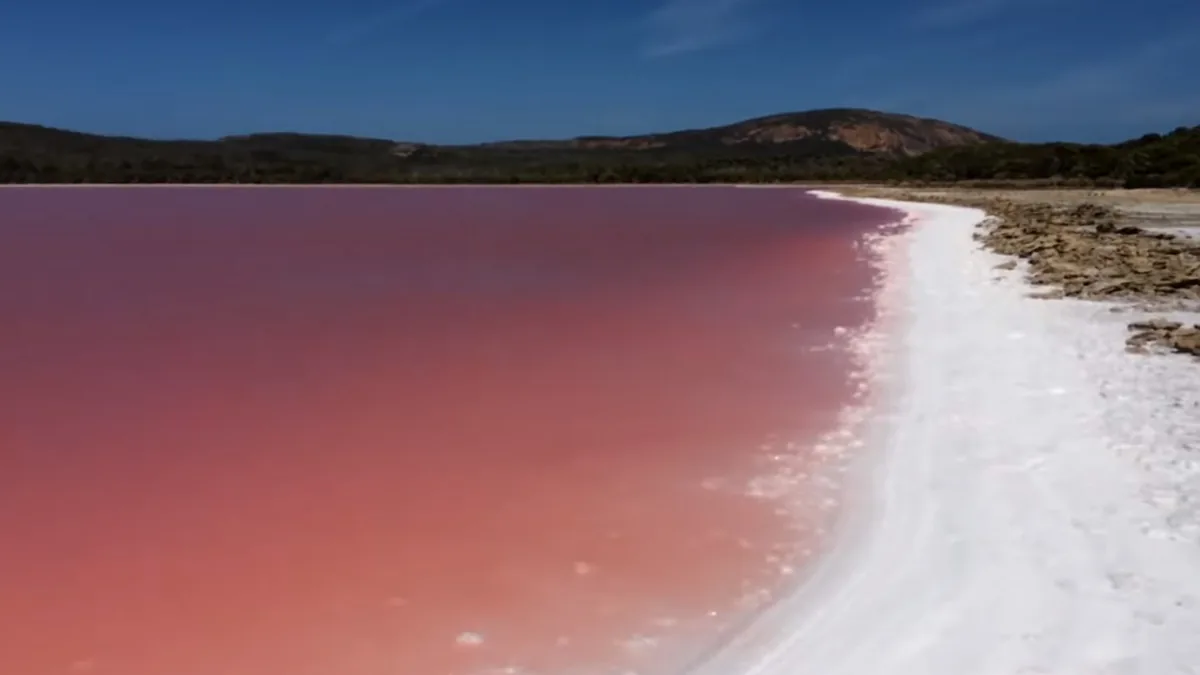
Why Does Lake Hillier Look Pink? 7 Strange Colors of Nature
Key takeaways
- Lake Hillier's pink color comes from salt-loving algae and bacteria.
- Nature's strange colors come from biology, chemistry, or geology.
- Antarctica's Blood Falls is rusting iron-rich water, not blood.
- Many colorful places are fragile: observe without disturbing them.
Some places on Earth look too strange to be real. Rivers run blood red, lakes glow bubblegum pink, and ice sheets bleed rust-colored waterfalls. These are not Photoshop tricks. They are the result of biology, chemistry, and geology combining in rare and beautiful ways. Let's look at seven places where nature wears surprisingly strange colors, starting with the famous pink lake in Australia.
1. Lake Hillier, Australia: the pink lake
Lake Hillier sits on Middle Island off the coast of Western Australia. Its water is a vivid bubblegum pink that stays pink even when bottled. Scientists believe the color comes from a combination of salt-loving algae called Dunaliella salina and halophilic bacteria that live in the salty crust. These organisms produce red pigments as part of their metabolism. The high salinity of the lake creates the perfect environment for them. Despite the extreme salt content, the lake is safe to swim in, and the surrounding eucalyptus forest contrasts beautifully with the pink water.
2. Blood Falls, Antarctica: the rusty waterfall
Blood Falls pours a deep red liquid from the Taylor Glacier in Antarctica's McMurdo Dry Valleys. For decades, people assumed the color came from red algae. We now know the truth is more interesting. The water comes from a subglacial brine pool that has been sealed beneath the ice for over a million years. It is extremely salty and rich in iron. When the iron-rich water reaches the surface and meets oxygen, it oxidizes, essentially rusting, which creates the blood-red color. It is one of the most extreme environments where microbial life has been found.
3. Caño Cristales, Colombia: the river of five colors
Caño Cristales is often called the river that ran away from paradise. Located in the Serranía de la Macarena National Park, the riverbed comes alive with color for a few months each year. The colors come from an aquatic plant called Macarenia clavigera, which turns brilliant red when conditions are right. Combined with the yellow sand, green algae, blue water, and black rocks, the river appears to glow with five colors. The best viewing window is between the dry and wet seasons, usually from June to November.
4. The Red Beach of Panjin, China
The Red Beach in Liaoning Province looks like a carpet of fire spread across the wetlands. The color comes from a type of seepweed called Suaeda salsa, which turns crimson as it matures each autumn. The plant thrives in the alkaline tidal flats of the Liaohe River estuary. Visitors walk on wooden boardwalks through the vast red landscape, which also serves as an important habitat for migratory birds, including rare red-crowned cranes.
5. Río Tinto, Spain: the rust-red river
Río Tinto flows through southwestern Spain with a striking red-orange color. Mining in the region dates back thousands of years, and the river is extremely acidic and rich in heavy metals like iron and copper. The red color comes from dissolved iron that precipitates out and oxidizes. The extreme chemistry makes the river hostile to most life, yet it hosts unique extremophile organisms that survive in acid. Some scientists even study the river as a model for possible life on Mars.
6. The Danakil Depression, Ethiopia: acid-yellow pools
The Danakil Depression is one of the hottest and most alien-looking places on Earth. Located in northeastern Ethiopia, it features acid-yellow sulfur springs, bright orange salt formations, and bubbling green pools. The intense colors come from sulfur, salt, and mineral deposits left behind by hydrothermal activity and evaporation. The landscape looks like another planet, and the area is also home to active volcanoes and the Afar people, who have adapted to this punishing environment.
7. Zhangye Danxia, China: the rainbow mountains
The Zhangye Danxia Landform in Gansu Province looks like a painting. The hills are layered in stripes of red, orange, yellow, green, and gray. The colors come from different mineral deposits, particularly iron and trace minerals, that were laid down over millions of years in sedimentary layers. Tectonic uplift tilted and exposed the layers, and erosion carved them into the dramatic shapes seen today. Sunrise and sunset make the colors especially vivid.
What causes nature's strange colors?
Nature's unusual colors generally have one of three sources. Biological color comes from living organisms like algae, bacteria, and plants that produce pigments. Chemical color comes from oxidation, mineral content, and pH levels. Geological color comes from the composition of rock and sediment layers. Sometimes, as with Río Tinto, all three combine to produce a result that looks impossible.
Conclusion
Nature's strangest colors are reminders that the natural world is far more varied than we imagine. From a pink lake in Australia to rainbow mountains in China, these places are real, scientifically explainable, and worth seeing. Add a few of them to your travel list and prepare to be surprised by what the Earth can do.
Keep reading
Beyond Machu Picchu: 8 Inca Sites Almost Nobody Visits
Choquequirao, Wari terraces and fortress complexes that see a fraction of Machu Picchu's visitors. Where they are and what the hike involves.
Europe's Deepest Canyon Is Not Where You Think: The Tara River Gorge
The Tara River Canyon cuts deeper than most famous European gorges. How it formed, how it compares to the world's big canyons and how to see it.
New Zealand's Great Walks: The Four Almost Nobody Books
Most hikers book the Routeburn and Milford. These four Great Walks get a fraction of the traffic with the same alpine and coastal scenery.
