
Safety
10 Most Dangerous Hikes in the World (And How to Survive Them)
Key takeaways
- Dangerous hikes punish arrogance and reward preparation.
- Check mountain-specific forecasts, not generic weather apps.
- Turn back early: the summit is optional, getting home is not.
- Carry specialized gear like helmets, harnesses, and gloves where required.
Some hikes are beautiful. Others are beautiful and genuinely dangerous. Narrow ledges, extreme weather, thin air, and unpredictable terrain turn these trails into tests of preparation and nerve. This is not a list to attempt casually, but understanding what makes these hikes dangerous, and how to survive them, is valuable for any serious adventurer.
1. Huashan Plank Walk, China
The Huashan plank walk is a series of narrow wooden planks bolted to the side of a sheer cliff face on Mount Hua. The planks are only a foot wide in places, with a chain to hold onto and a very long drop below. Safety harnesses are available and strongly recommended. To survive, harness up, move slowly, and never let go of the chain. Go on a clear day and avoid the peak season crowds, which make passing other hikers more precarious.
2. El Caminito del Rey, Spain
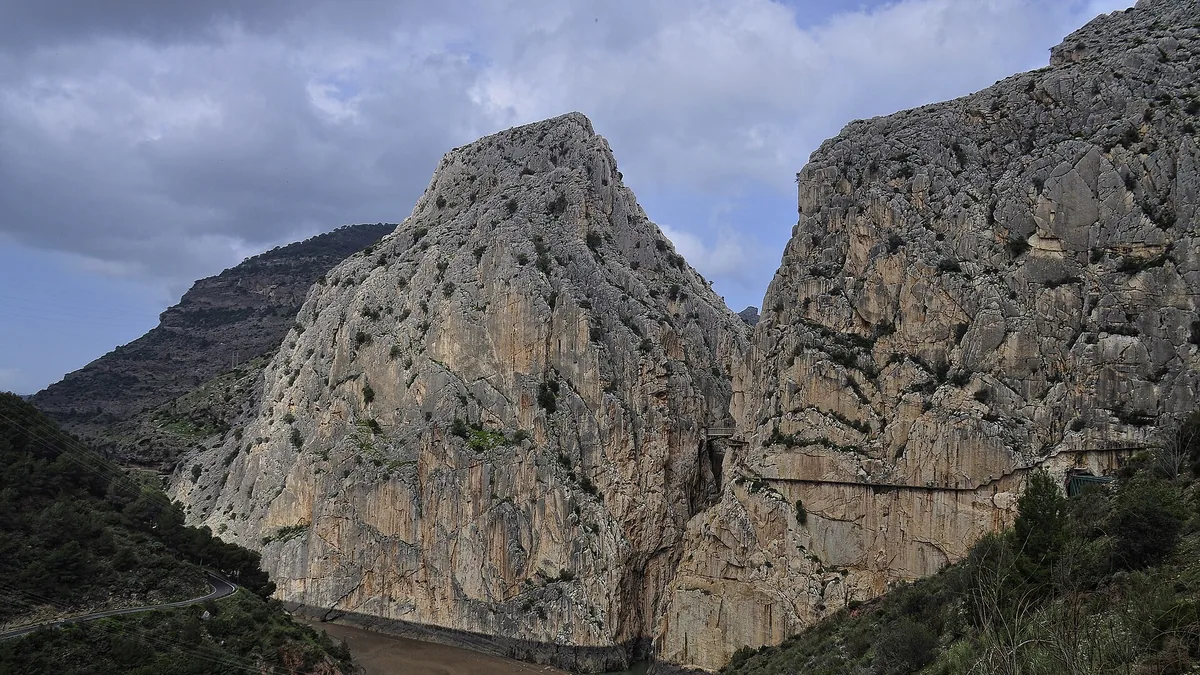
Once called the most dangerous walkway in the world, El Caminito del Rey is a narrow boardwalk pinned to the walls of the El Chorro gorge. After several fatal accidents, the path was restored and reopened with safety measures including helmets and fixed walkways. It is far safer now, but the exposed position above a 100-meter drop still demands respect. Follow the rules, wear the provided helmet, and stay on the path.
3. Trolltunga, Norway
Trolltunga is a dramatic rock shelf jutting out over Ringedalsvatnet lake. The hike itself is a demanding 27-kilometer round trip with significant elevation gain. The danger comes from a combination of length, rapidly changing weather, and people getting too close to the edge for photos. Start early, carry proper layers, and never turn your back on the drop near the cliff edge. Do not hike in winter without a guide.
4. Half Dome Cables Route, USA
The final section of the Half Dome hike climbs a bare granite slope using two steel cables and wooden planks. It is exposed and steep, and the granite becomes dangerously slick in rain. Permits are required to manage crowding. To stay safe, use gloves for grip, ascend only when the rock is dry, wait your turn rather than passing, and turn back immediately if you hear thunder. Lightning on the summit is deadly.
5. Mount Washington, USA
Mount Washington is not technically difficult, but it has some of the worst weather in the world. Wind speeds over 300 km/h have been recorded, and conditions can change from calm to life-threatening within an hour. Hypothermia is the main killer here, even in summer. Check the Mount Washington Observatory forecast specifically, carry full rain and wind protection, and be willing to turn back below the treeline.
6. The Kalalau Trail, Hawaii, USA
The Kalalau Trail runs along the dramatic Nā Pali Coast of Kauai. It is narrow, muddy, and crosses several streams that can flash flood with almost no warning. The exposed sections above steep drop-offs require careful footing. Check rainfall upstream before crossing streams, never camp near stream mouths, and carry water filter and rain gear. Permits are required for overnight camping.
7. Drakensberg Amphitheatre, South Africa
The Amphitheatre is a vast rock wall in the Drakensberg mountains. The chain ladders route to the top requires climbing two steep ladders on an exposed face. Weather moves fast, and snow and ice are possible even in summer months. Climb with a partner, secure your pack, and descend before afternoon storms build. Do not attempt in high wind, which funnels strongly through the gaps.
8. The Inca Trail, Peru
The classic Inca Trail is not the most technical hike on this list, but altitude, weather, and sheer cliff exposure create real risk. Altitude sickness affects many trekkers at the 4,200-meter Dead Woman's Pass. Acclimatize in Cusco for two days beforehand, hike slowly, stay hydrated, and consider coca tea for symptom relief. Permits must be booked months in advance through licensed operators.
9. Mount Everest, Nepal and Tibet
Everest needs no introduction. Beyond the technical difficulty, the dangers include altitude sickness, frostbite, avalanches, falls, and crowding. Commercial expeditions make it possible for strong, experienced climbers to attempt it, but success depends heavily on weather windows, logistics, and acclimatization. Anyone considering Everest should have prior experience on multiple 6,000 and 7,000-meter peaks first.
10. The Danakil Depression, Ethiopia
The Danakil is a hiking destination unlike any other. Temperatures regularly exceed 45°C, the air is thick with sulfur and acid fumes, and the terrain is a mix of salt crust and sharp volcanic rock. Heat stroke and dehydration are the primary threats. Travel is only advisable with experienced local guides, armed security where required, and a vehicle support plan. Bring far more water than feels necessary.
General survival principles for dangerous hikes
Preparation beats courage. Research your route thoroughly and know where the hard sections are. Check weather forecasts from mountain-specific sources, not generic apps. Carry the ten essentials, plus any specialized gear the route requires such as a helmet, harness, or gloves. Tell someone your itinerary and expected return time. Most importantly, be willing to turn back. Every dangerous hike on this list can be survived; the people who get into trouble are usually the ones who ignored a warning sign or pushed past their limits.
Conclusion
Dangerous hikes reward preparation and punish arrogance. If you are drawn to these routes, build your skills progressively, invest in the right gear, and never hike alone in exposed terrain. The summit is optional; getting home is not. Respect the mountain, and you will live to hike another day.
Keep reading
Cave Diving: Why It Kills Divers Who Did Everything Right
Cave diving has a fatality profile unlike any other adventure sport. Silt-outs, line breaks, gas planning and the training that separates survivors from statistics.
What Happens to Your Body Above 8,000 Meters: The Death Zone, Explained
Above 8,000 meters the body cannot acclimatize. What happens to blood, brain and muscles hour by hour, and why climbers still go.

Your Vehicle Breaks Down in the Desert: A Survival Checklist That Works
Stay with the vehicle, manage water, signal properly. What to carry and what to do hour by hour when a breakdown happens far from help.
