How to Start a Fire Without Matches: 7 Methods That Work When It's Wet
Seven ways to make fire without a lighter — ferro rod, friction, lens, battery and chemical methods — plus how to build a fire lay that lights damp wood.
Buy the pack last, once you know how much stuff you actually have.
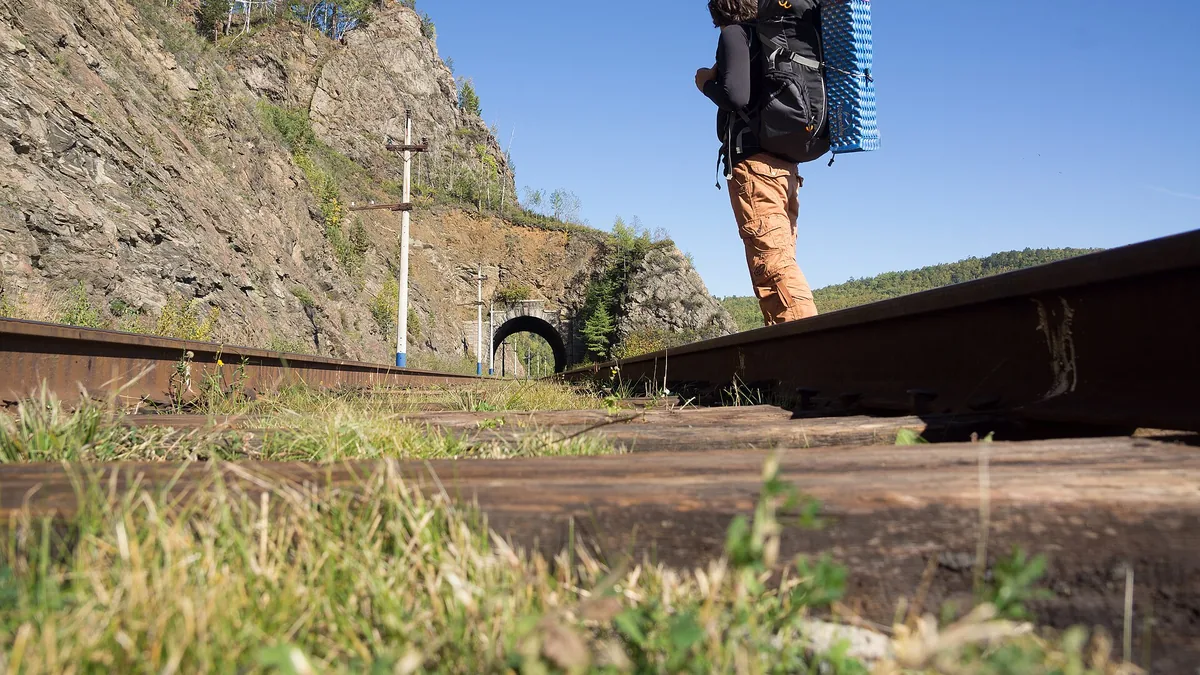
The most common backpacking mistake is buying the pack first and then filling it. Do it the other way round: assemble your gear, measure the volume it takes, and buy a pack a little smaller than that. A pack that is slightly too small forces good decisions; one that is too big invites you to carry things you will not use.
The decisions that actually change the outcome.
Matched to what you will actually do with it.
Use case: Two to five day trips carrying food, shelter and sleep system
The workhorse size. Adjustable harness, load-lifter straps and a real hip belt are the features that matter.
Use case: Day hikes, summit pushes and travel days
Should be comfortable with 8 kg and stable when you scramble. Look for a hip belt even in this size.
Use case: Thru-hiking and fast-and-light trips under 9 kg base weight
Saves a kilogram or more, but only works once your gear is genuinely light. Uncomfortable above about 11 kg.
Use case: Multi-country trips with hostels and flights
Opens like a suitcase, has a stowable harness and survives being checked in. Less comfortable on long walks.
Use case: Organising any pack
Turns one large cavern into a system you can operate in the dark and rain. The cheapest real upgrade to any pack.
Some outbound gear links are affiliate links. If you buy through them we may earn a commission at no extra cost to you. This never changes which products we recommend.
The expensive ways to get this wrong.
Seven ways to make fire without a lighter — ferro rod, friction, lens, battery and chemical methods — plus how to build a fire lay that lights damp wood.
The Ten Essentials, item by item, with weights and budget options. How to assemble a kit that fits your pack and your actual routes.
A complete 3-day hiking packing list for beginners. Shelter, sleep system, clothing layers, footwear, cooking, navigation, and safety gear explained.
A practical lightweight camping gear checklist for backpackers. Shelter, sleep system, cooking kit, clothing, and pack organization.