The Best Travel Camera Bags for Hikers and Explorers in 2026
Sling, backpack and clip-on camera bags for people who hike with their camera. Weight, access speed and weather protection compared.
The best travel camera is the one you have with you when the light is good.
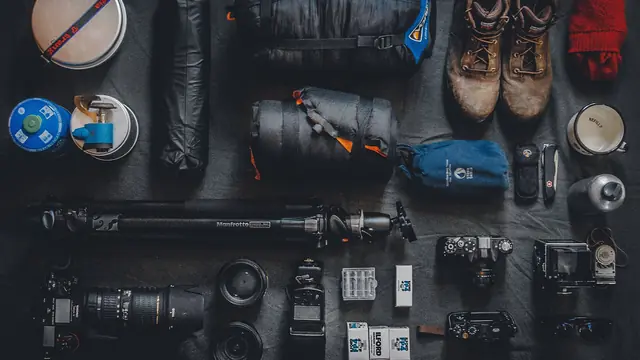
Camera choice for travel is a weight-versus-quality decision with an unusual twist: the best camera for most trips is the one you will actually carry all day, every day. An un-carried flagship produces no photographs at all. For most travellers, that means a mirrorless body with one or two primes, or increasingly a flagship phone with a good processing pipeline.
The decisions that actually change the outcome.
Matched to what you will actually do with it.
Use case: Travel photography where quality matters and weight still counts
The current default. Full-frame or APS-C, one 35 mm equivalent prime, and you can shoot anything from street to landscape.
Use case: When you will not carry a separate lens
One device covering wide to telephoto, small enough for a jacket pocket. The quality compromise is real but the convenience wins.
Use case: Water, dust, movement and anything you might drop
Rugged, waterproof without a housing, and stabilised. Genuinely better than a phone for anything involving water or speed.
Use case: Dawn, dusk, long exposures and night skies
Carbon fibre under about 1.2 kg is the target. Heavier than that and it stays in the room, which defeats the purpose.
Use case: Every trip
Cold, altitude and GPS drain batteries fast. Two spares plus a fast card is cheaper insurance than any lens.
Some outbound gear links are affiliate links. If you buy through them we may earn a commission at no extra cost to you. This never changes which products we recommend.
The expensive ways to get this wrong.
Sling, backpack and clip-on camera bags for people who hike with their camera. Weight, access speed and weather protection compared.
Find the best travel camera gear for backpacking, city trips, and adventure travel. Smartphones, mirrorless cameras, action cams, and accessories.
Simple travel photography tips for beginners. Composition, light, gear, editing, and storytelling on the road.