What to Wear Winter Hiking: A Layering System That Works Below Freezing
Base, mid and shell layers explained for cold-weather hiking, plus what to wear on your feet, hands and head when temperatures drop below freezing.
The one piece of gear where fit outweighs everything else, including price.
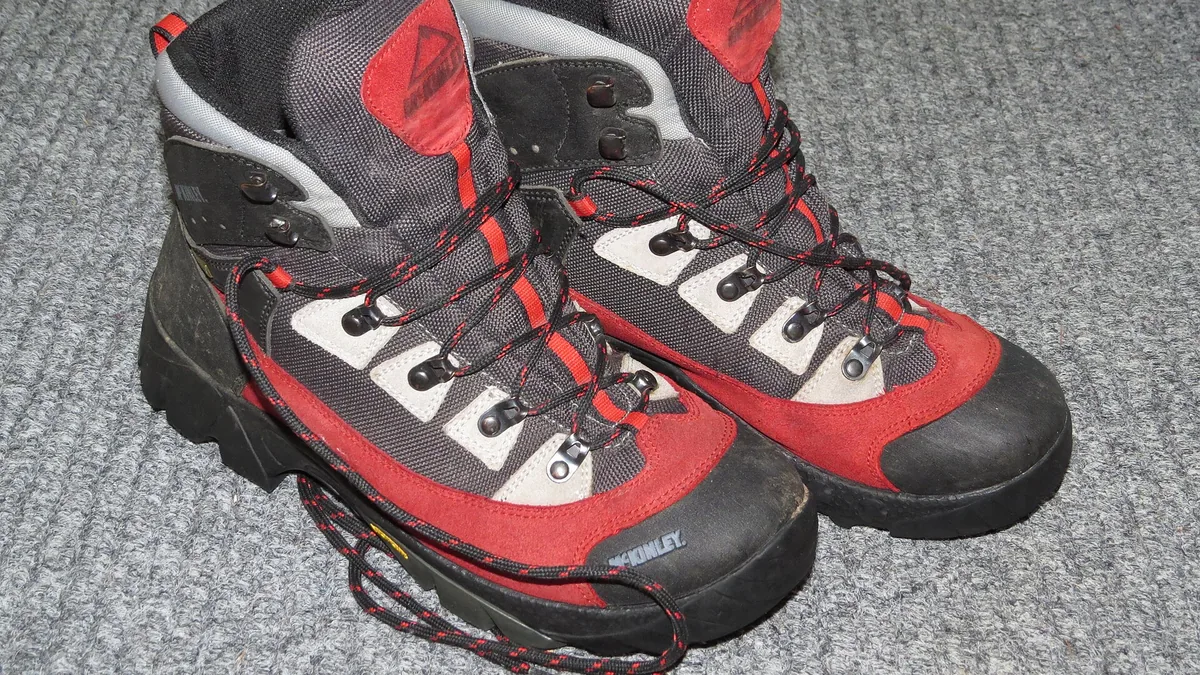
Boots are the item most worth trying on in an actual shop, at the end of a day, wearing the socks you will hike in. Everything else about them — membrane, sole stiffness, weight — is secondary to whether the specific last happens to fit your foot. A €90 boot that fits will outperform a €300 boot that does not, every single time.
The decisions that actually change the outcome.
Matched to what you will actually do with it.
Use case: The default choice: rough terrain, day hikes and weekend trips
Ankle support and a waterproof membrane without full mountaineering weight. The right first serious boot for most people.
Use case: Fast hiking, good trails, hot climates and long-distance walking
Lighter, cooler and faster-drying than a boot. Genuinely the better choice on well-maintained trails and for thru-hiking.
Use case: Crampons, snow, ice and serious alpine terrain
Stiff enough to take a crampon and insulated for cold. Uncomfortable and unnecessary below the snow line.
Use case: Walking to the crag, scrambling, via ferrata
A sticky rubber sole for rock grip with enough comfort to walk in all day. The most versatile shoe in a climber's bag.
Use case: With any of the above
Merino or synthetic, never cotton. A proper insole often fixes the fit problem people try to solve by buying new boots.
Some outbound gear links are affiliate links. If you buy through them we may earn a commission at no extra cost to you. This never changes which products we recommend.
The expensive ways to get this wrong.
Base, mid and shell layers explained for cold-weather hiking, plus what to wear on your feet, hands and head when temperatures drop below freezing.
How to choose the best hiking boots for rough terrain. Leather vs synthetic uppers, midsoles, outsoles, ankle support, waterproofing, and break-in tips.
Discover beginner-friendly hiking destinations around the world with well-marked trails, reliable infrastructure, and stunning scenery.