Caving is the one activity on this site where you can be the first person to see a specific passage. Roughly a fifth of the world's mapped systems have been surveyed, and new extensions are found every year. It is also the activity where the margin for error is smallest: no light, no signal, no weather information, and a route that looks completely different in each direction.
Getting started
What to do first, in the order that matters.
Start with a show cave and then a guided wild cave trip. Do not attempt a wild cave without someone who knows it.
Join a local caving club or grotto. This is how the sport actually works, and how you get trained safely.
Learn single rope technique properly through a course before touching anything vertical.
Buy a helmet first. Everything else can be borrowed or hired; the helmet is personal and non-negotiable.
Expect to be cold, wet and muddy at all times. That is the activity, not a failure of preparation.
Gear checklist
The items that genuinely earn their weight.
Helmet with a chin strap, rated for impact
Three independent light sources, each capable of getting you out alone
Spare batteries for all three, carried in a waterproof container
Sturdy boots with ankle support and aggressive tread
Knee pads and elbow pads: you will be crawling more than walking
Gloves, and oversuit suited to the water temperature
A warm base layer that still insulates when saturated
Water and food in packaging that cannot be punctured by rock
Safety notes
What actually goes wrong.
Never cave alone, and never with fewer than four people on anything serious.
Leave a detailed callout plan with someone above ground, including a time you will be reported missing.
Check the weather forecast before entering. Rain from 20 km away can flood a passage you are in.
Turn back on the way in while you still have the light and energy to get out.
Treat air quality cautiously in any cave with decaying organic matter or limited flow — bad air is invisible.
Common mistakes
The ones we see repeated most often.
Relying on phone torches as a light source
Entering a cave in the wet season or when rain is forecast
Underestimating how fast the temperature drops once you stop moving
Going through a squeeze feet-first without checking what is on the other side
Not marking the route on the way out of a complex section
Attempting vertical pitches before learning the rope systems
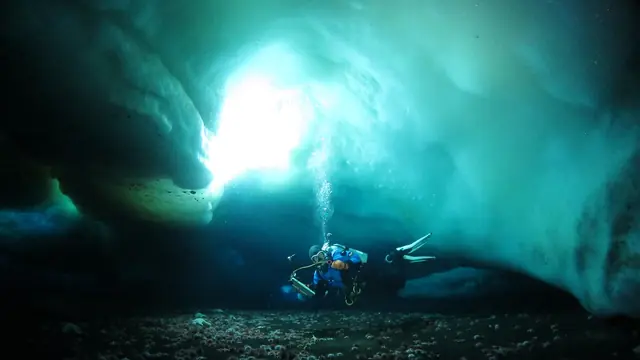
Cave diving has a fatality profile unlike any other adventure sport. Silt-outs, line breaks, gas planning and the training that separates survivors from statistics.
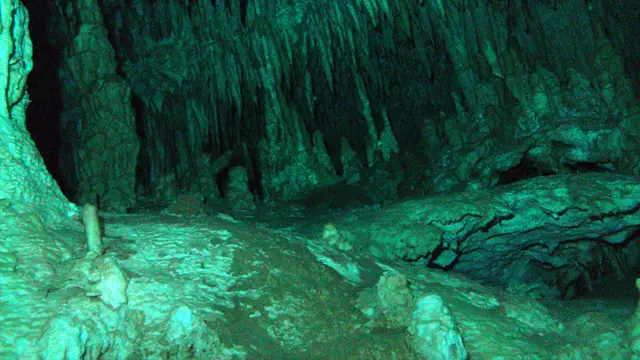
Five extreme caves only expert divers can enter, including Dean's Blue Hole, Sac Actun, Eagle's Nest, Busalah, and Boesmansgat, plus the training and gear required.
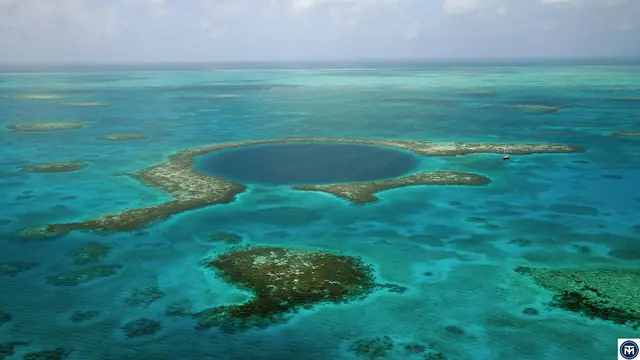
Explore the world's deepest blue hole. How blue holes form, what lies at the bottom of Dean's Blue Hole, the anoxic water layers, and the unique life found there.
10 min readDestinations
Not sure where to start?
Begin with our 3-day hiking packing list. Most gear and comfort problems are solved before you ever reach the trailhead.