Diving & Snorkelling Guide for Beginners

The only exploration where you control your own life support, and can get it wrong quietly.
Diving & Snorkelling guide
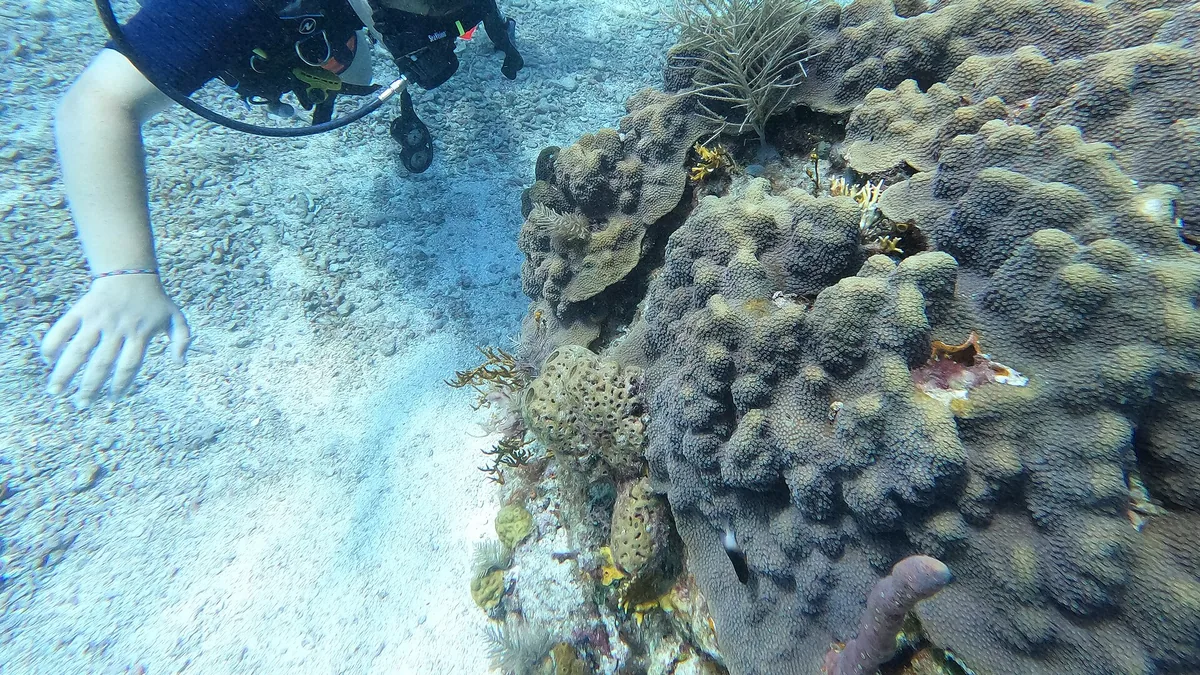
Photo: Jstuby / CC0 · Wikimedia Commons

Scuba diving opens up roughly 70% of the planet's surface that is otherwise inaccessible, and does it with equipment that lets you stay for an hour. The training is genuinely good and genuinely necessary: almost every serious incident involves a certified diver doing something their training specifically told them not to do.

Getting started

What to do first, in the order that matters.

  • Get certified with a recognised agency before travelling. Resort 'discover' dives are an experience, not a qualification.
  • Do a checkout dive in poor visibility if your training offers one — it makes the rest of your diving far easier.
  • Buy a mask that fits your own face before anything else. Everything else can be rented; a leaking mask ruins every dive.
  • Learn buoyancy control properly. It is the difference between observing a reef and destroying it.
  • Leave 24 hours between your last dive and any flight. This is not a suggestion.

Gear checklist

The items that genuinely earn their weight.

  • Mask, snorkel and fins that fit — the only items most divers should buy immediately
  • A dive computer, or at minimum a depth gauge and timing device
  • Wetsuit appropriate to water temperature, which changes with depth and season
  • Buoyancy control device and regulator, serviced annually
  • Surface marker buoy and a whistle or audible signalling device
  • A cutting tool, kept where either hand can reach it
  • Reef-safe sunscreen: standard sunscreen damages coral at very low concentrations
  • A logbook — genuinely useful for tracking experience and currency

Safety notes

What actually goes wrong.

  • Breathe continuously and never hold your breath while ascending. This single rule prevents the most serious injury in the sport.
  • Ascend no faster than your computer says, and do a safety stop at 5 m on every dive.
  • Dive within your training and certification depth limits, and within your recent experience.
  • Check your air more often than you think you need to, and surface with a reserve.
  • Do not dive with a cold or blocked sinuses. You cannot equalise, and the result is injury.

Common mistakes

The ones we see repeated most often.

  • Diving beyond certification depth because the group is going deeper
  • Skipping the safety stop to get back to the boat
  • Flying the same day as diving
  • Touching, standing on or collecting from the reef
  • Diving after drinking the night before, or while dehydrated from it
  • Not weighting correctly, then fighting buoyancy for the whole dive

Diving & Snorkelling guides

5 Extreme Caves Only Expert Divers Can Enter

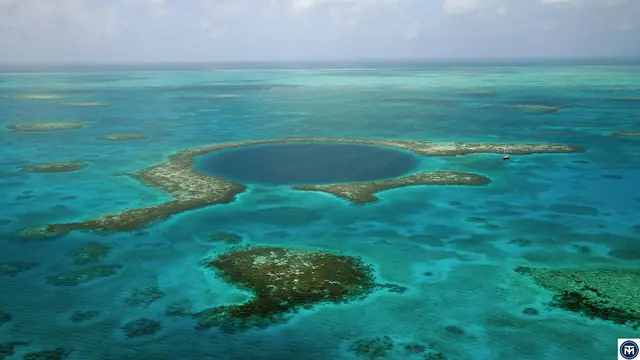
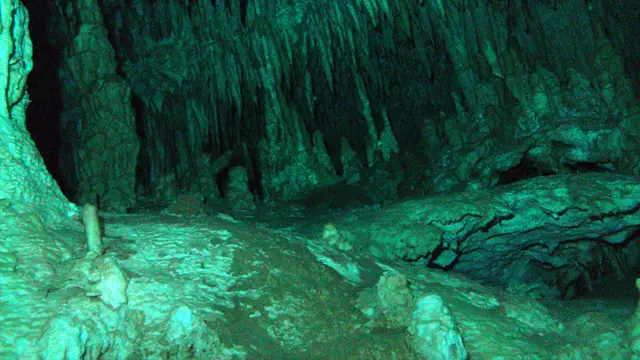
Five extreme caves only expert divers can enter, including Dean's Blue Hole, Sac Actun, Eagle's Nest, Busalah, and Boesmansgat, plus the training and gear required.

11 min read Travel Safety

Not sure where to start?

Begin with our 3-day hiking packing list. Most gear and comfort problems are solved before you ever reach the trailhead.

Explortaion Travel & exploration guides
Gear