
Safety
Adventure Travel Insurance: What Coverage You Actually Need
Key takeaways
- Standard travel insurance often excludes high-altitude trekking and extreme sports.
- Check altitude limits, evacuation coverage, and gear protection if applicable.
- Buy insurance as soon as you book flights and accommodation.
- Keep a printed copy of your policy number and emergency contact card.
Adventure travel insurance is the policy that keeps working when a trip stops being ordinary: when a storm cancels a flight, when a knee gives out on a descent, or when you need a helicopter off a ridge. Ordinary holiday policies frequently exclude exactly the activities that make a trip adventurous, so the real decision is not whether to buy insurance but which clauses you are actually buying. This guide explains the limits that matter, the exclusions that quietly void claims, and the documents that decide whether a claim is paid.
Why a standard policy is usually not enough
Most inexpensive travel policies are written for beach holidays and city breaks. Their activity schedules typically stop at swimming, sightseeing, and walking on marked trails below 2,000 metres. Add trekking at altitude, scuba diving, skiing, climbing, kayaking, or riding a motorbike and you are either excluded outright or covered only if you have paid for an adventure extension.
The practical test takes two minutes. Find the policy's activity schedule and locate the exact activity you intend to do. If it is not listed as covered — with its altitude, depth, or terrain limit stated — assume it is excluded. The word "adventure" in the marketing copy does not bind the insurer. The schedule does.
The exclusions that void the most claims
Four clauses account for the majority of refused adventure claims, and all four are avoidable. Altitude caps are the first: a trekking limit of 4,000 metres is useless on a 5,500 metre pass, and the cap usually applies to the highest point you sleep at, not the highest point you touch. Depth and certification limits are the second: many policies cover diving only to 18 or 30 metres, and only if you hold a recognised certification from a training agency.
Unlicensed or unguided activity is the third, and it catches more travellers than any other clause. Hiring a scooter without a licence valid for that class of vehicle is a standard exclusion, which means a crash that would otherwise be covered can be refused in full. Alcohol and drug clauses are the fourth: a single drink recorded in a medical report can be enough for an insurer to reduce or decline a payout, even when alcohol was not the cause of the accident.
Medical and evacuation limits
Evacuation is where the numbers become real. A helicopter rescue from a remote valley, a ground ambulance to the nearest hospital, and a repatriation flight home can together cost more than a year of premiums. Compare not the headline medical limit but the emergency evacuation limit, and check whether the insurer pays the provider directly or reimburses you afterwards.
Direct payment matters more than it sounds. If you must front the cost of a five-figure evacuation on a credit card, the limit on paper is irrelevant to the cash you actually need. Look for a 24-hour assistance line that confirms cover to the treating hospital before treatment begins.
Search and rescue: the gap most people miss
Medical evacuation and search and rescue are not the same thing. Evacuation moves you from one hospital to another. Search and rescue finds you, then moves you off the mountain. Several national rescue services bill for the recovery of people who were unprepared or who ignored closures, and a standard policy often treats that bill as an excluded cost.
If your trip involves remote terrain, confirm in writing that both search and rescue and evacuation are covered, and that the cover applies when the rescue is initiated by a public authority rather than by you.
Gear, trip interruption, and cancellation
Adventure gear is expensive and theft-prone. Check the single-item limit and the total limit on baggage, because a camera body, a lens, and a drone can each exceed a per-item cap. Most policies exclude unattended belongings, so leaving a pack on a beach or a bag in a locked vehicle may not be covered.
Cancellation and interruption cover protects the money you have already spent. Read the list of qualifying reasons: many policies reimburse cancellation for illness or a death in the family but not for a change of plans, a work conflict, or a fear of travelling.
When to buy
Buy as soon as your first non-refundable cost is booked. Cancellation benefits normally apply only to events that occur after the policy is issued, so a policy bought the week before departure covers far less than one bought at the moment you paid the deposit. If you have pre-existing medical conditions, buy early as well, because many insurers require the condition to be declared and accepted within a short window of the first booking.
The documents that get claims paid
Claims are decided on paperwork, not sympathy. Keep the policy number, the emergency assistance number, and the claims address saved offline as well as on your phone. Report theft to local police within the deadline stated in the policy and obtain a written report, because most insurers refuse theft claims without one.
Keep every receipt, boarding pass, and medical invoice. Photograph documents before you travel and store them in cloud storage. If you are treated abroad, ask for an itemised invoice with the diagnosis in English where possible, and request a medical report that states the cause of injury in the insurer's preferred wording.
How to compare policies properly
Put the candidates side by side on four numbers: maximum altitude covered, maximum diving depth covered, emergency evacuation limit, and the exclusion list. Then check two more: whether the policy is primary or secondary (some pay only after your home health insurer has paid) and whether it covers the country you are visiting, since a handful of destinations appear on blanket exclusion lists.
Price is the last thing to compare, not the first. A policy that costs half as much and excludes your main activity costs infinitely more per useful day of cover.
Note: Explortaion publishes general information, not financial or insurance advice. Policy wording varies by insurer and by country, and the schedule of cover always overrides marketing descriptions. Confirm the details of any policy directly with the insurer before you buy.
Conclusion
Good adventure travel insurance is defined by its limits and exclusions, not its price or its brochure photography. Match the activity schedule to what you will actually do, set the evacuation limit against the worst realistic outcome, and buy before your first non-refundable booking. Do that and the policy becomes what it is meant to be: the reason a bad day abroad stays a story rather than a financial disaster.
Keep reading
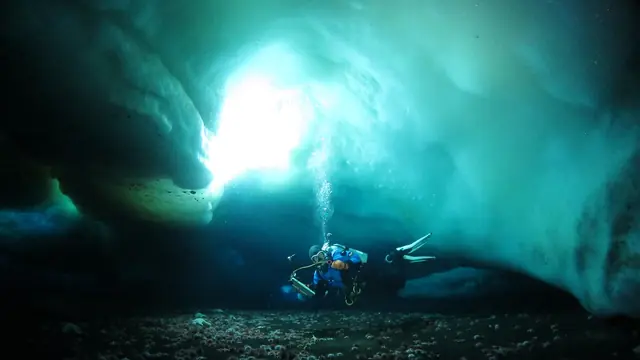
Cave Diving: Why It Kills Divers Who Did Everything Right
Cave diving has a fatality profile unlike any other adventure sport. Silt-outs, line breaks, gas planning and the training that separates survivors from statistics.
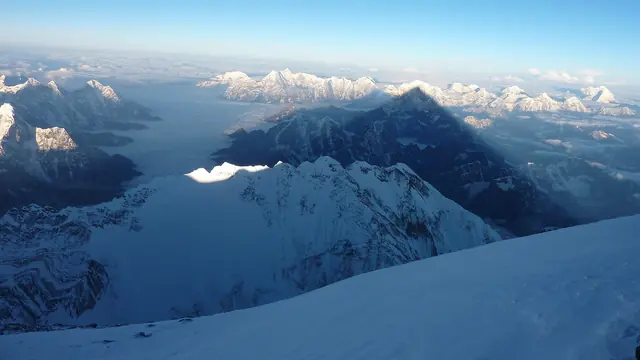
What Happens to Your Body Above 8,000 Meters: The Death Zone, Explained
Above 8,000 meters the body cannot acclimatize. What happens to blood, brain and muscles hour by hour, and why climbers still go.
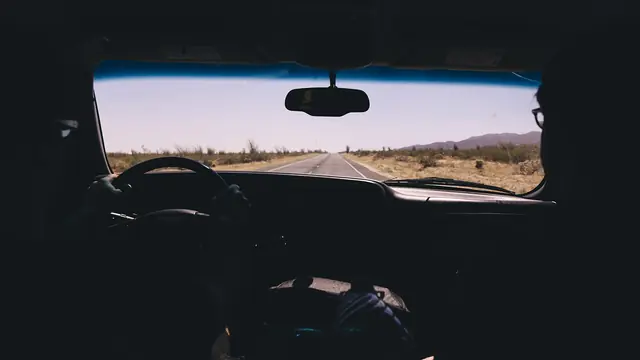
Your Vehicle Breaks Down in the Desert: A Survival Checklist That Works
Stay with the vehicle, manage water, signal properly. What to carry and what to do hour by hour when a breakdown happens far from help.
