Europe's Deepest Canyon Is Not Where You Think: The Tara River Gorge
The Tara River Canyon cuts deeper than most famous European gorges. How it formed, how it compares to the world's big canyons and how to see it.
Water cutting through rock, one grain at a time, over millions of years.
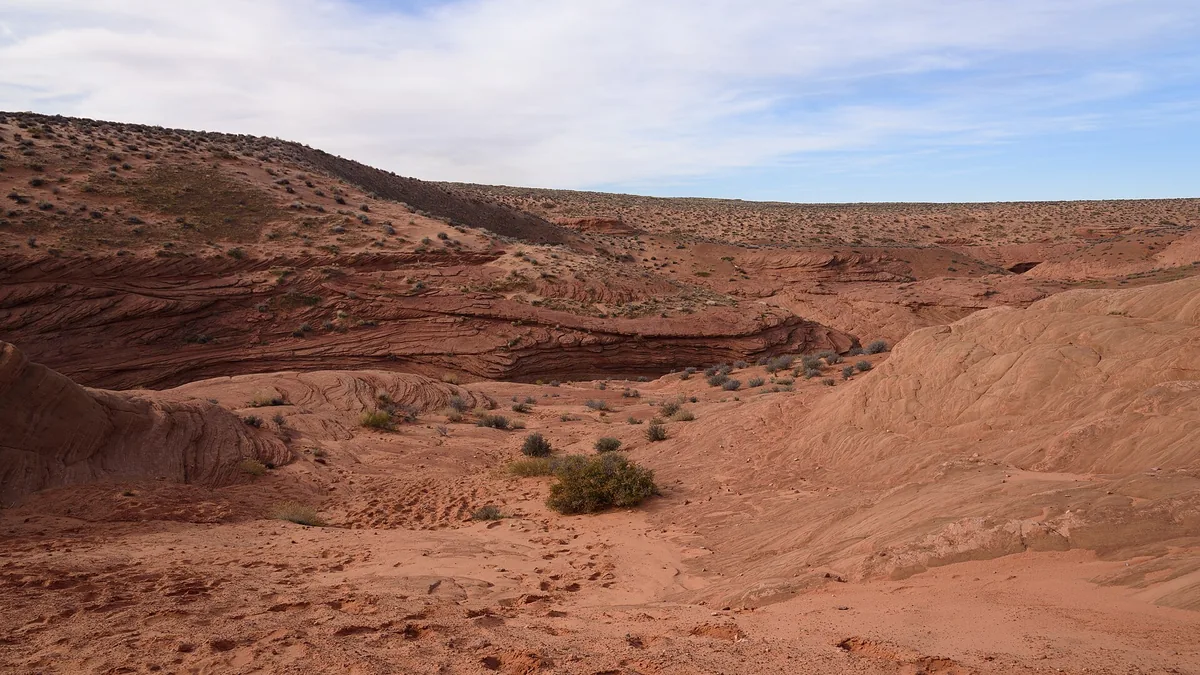
A canyon forms when a river keeps cutting downward faster than the surrounding land erodes, usually because the land is being lifted at the same time. That combination — uplift plus downcutting — is why the deepest canyons sit on plateaus and in mountain belts rather than in flat lowlands. The result is a vertical slice through geological time: the rock at the bottom is always older than the rock at the rim.
The mechanism, without the jargon.
Spring and autumn on almost every canyon. Summer brings dangerous heat at the bottom and, in the desert southwest, monsoon flash floods that arrive from storms many kilometres away. Winter closes high routes but gives empty viewpoints and low, golden light.
Most famous canyons have a developed rim with roads, viewpoints and shuttle buses. Getting to the floor is a different proposition: it usually needs a permit, a guide, or both, and a descent that takes twice as long as you expect in the heat.
National park entry is typically charged per vehicle and valid for about a week. Inner-canyon permits — for camping, hiking below the rim, or rafting — are separate, limited and allocated by lottery or a waiting list months ahead.
Five worth building a trip around.
Arizona, USA
1,800 m deep and 446 km long, exposing nearly two billion years of rock in its walls.
Peru
Roughly twice the depth of the Grand Canyon, with terraced walls still farmed on the slopes and condors on a reliable morning thermal.
Namibia
One of the largest canyons in Africa, and one you can walk end to end in five days on a self-guided permit hike.
Utah, Arizona
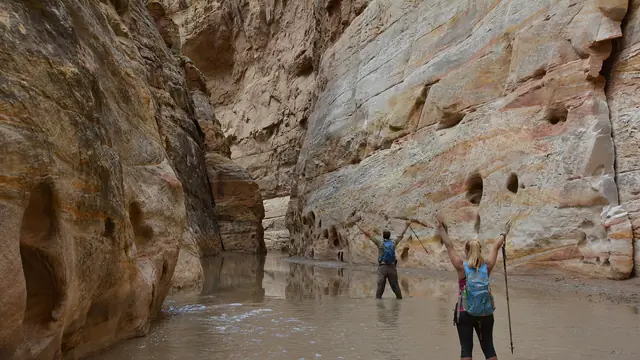
Narrow, sculpted passageways a shoulder-width wide, formed by flash flood scouring. Beautiful and genuinely lethal in rain.
Montenegro
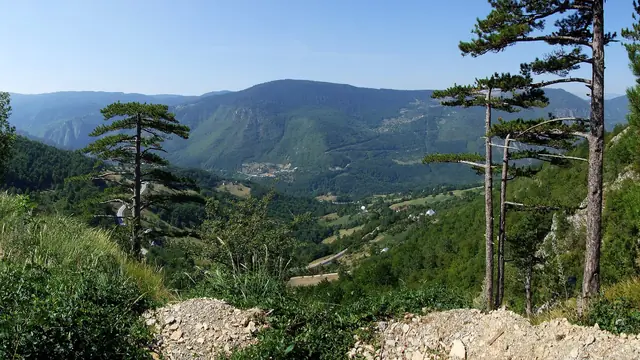
Europe's deepest gorge, cut through limestone with water the colour of glacial milk and a road that hangs above it.
The Tara River Canyon cuts deeper than most famous European gorges. How it formed, how it compares to the world's big canyons and how to see it.
Escape the national park crowds with seven hidden hiking trails in Utah, from secret slot canyons to remote desert peaks and quiet mountain summits.
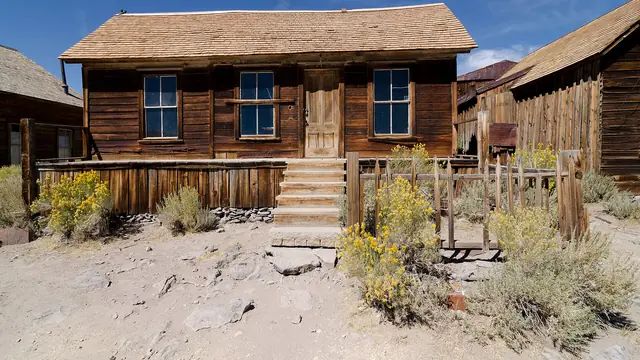
Explore five abandoned towns in the American Southwest you can still visit. Bodie, Terlingua, Jerome, Rhyolite, and Glenrio offer frontier history and photography.