What's Inside the World's Deepest Blue Hole?
Explore the world's deepest blue hole. How blue holes form, what lies at the bottom of Dean's Blue Hole, the anoxic water layers, and the unique life found there.
The last unmapped places on the planet, and the most unforgiving for anyone unprepared.
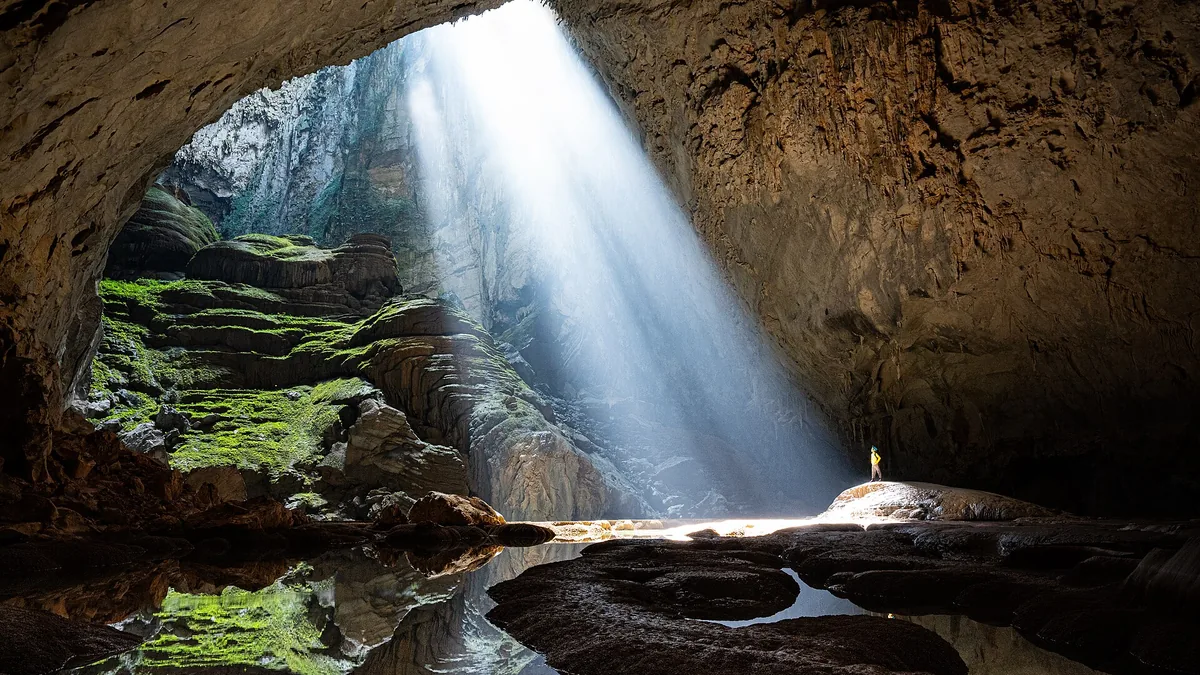
Most caves form in limestone by a slow chemical process: slightly acidic rainwater dissolves the rock along cracks, and over thousands to millions of years those cracks widen into passages. Where the water table drops, the passages drain and become walkable. The statistics that matter are not the ones in the brochures — roughly 20% of the world's cave systems have been surveyed, and the deepest known systems are still being extended by a few hundred metres a year.
The mechanism, without the jargon.
Dry season, almost always. In tropical cave systems the wet season raises water levels through sumps and can trap anyone inside. Vertical range also matters: high caves in temperate regions are best in summer, when meltwater has drained.
Show caves are developed with paths, lighting and guided entry. Wild caving is a different discipline that requires three independent light sources, a helmet, appropriate footwear, and — for anything vertical — single-rope technique training. Never enter a wild cave alone.
Show caves charge an entry fee and often require a timed ticket in peak season. Wild caves on public land may be free but sometimes require a permit; caves on private land always require the owner's permission.
Five worth building a trip around.
Bahamas
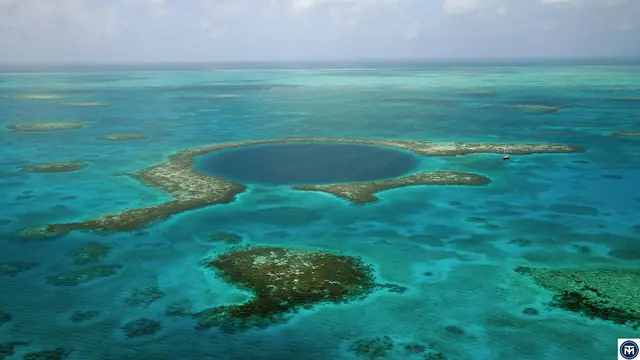
At roughly 202 m it is the world's deepest known marine blue hole, and it opens onto a beach within a few metres of the shore.
Mexico
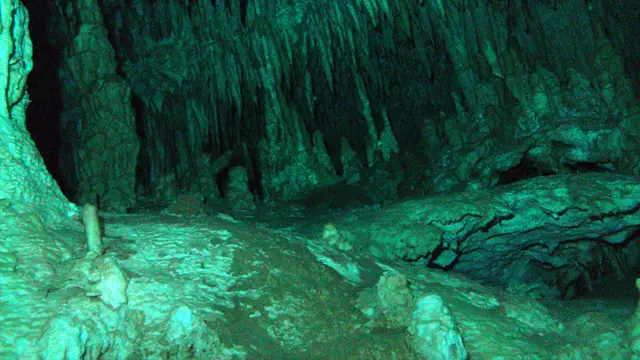
One of the longest underwater cave systems known, running for hundreds of kilometres beneath the Yucatán peninsula.
Georgia
The deepest known cave on earth at over 2,200 m, reached only by expedition teams with weeks of logistics.
New Zealand
Limestone glowworm caves where the ceiling looks like a night sky — the most photographed cave system in the southern hemisphere.
Philippines
An underground river navigable by boat for over 8 km before the passage becomes too tight to continue.
Explore the world's deepest blue hole. How blue holes form, what lies at the bottom of Dean's Blue Hole, the anoxic water layers, and the unique life found there.
Five extreme caves only expert divers can enter, including Dean's Blue Hole, Sac Actun, Eagle's Nest, Busalah, and Boesmansgat, plus the training and gear required.