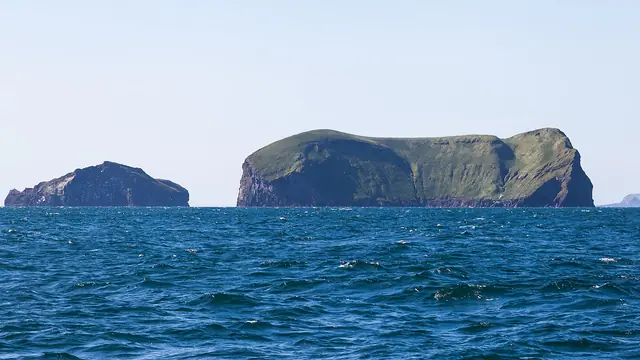
The Islands That Rose From Underwater Volcanoes and How Long They Last
Surtsey, Nishinoshima and Hunga Tonga. How submarine eruptions build new land, how fast it appears and how quickly the sea takes it back.
Isolated enough to evolve their own biology, quiet enough to stay off the standard itinerary.
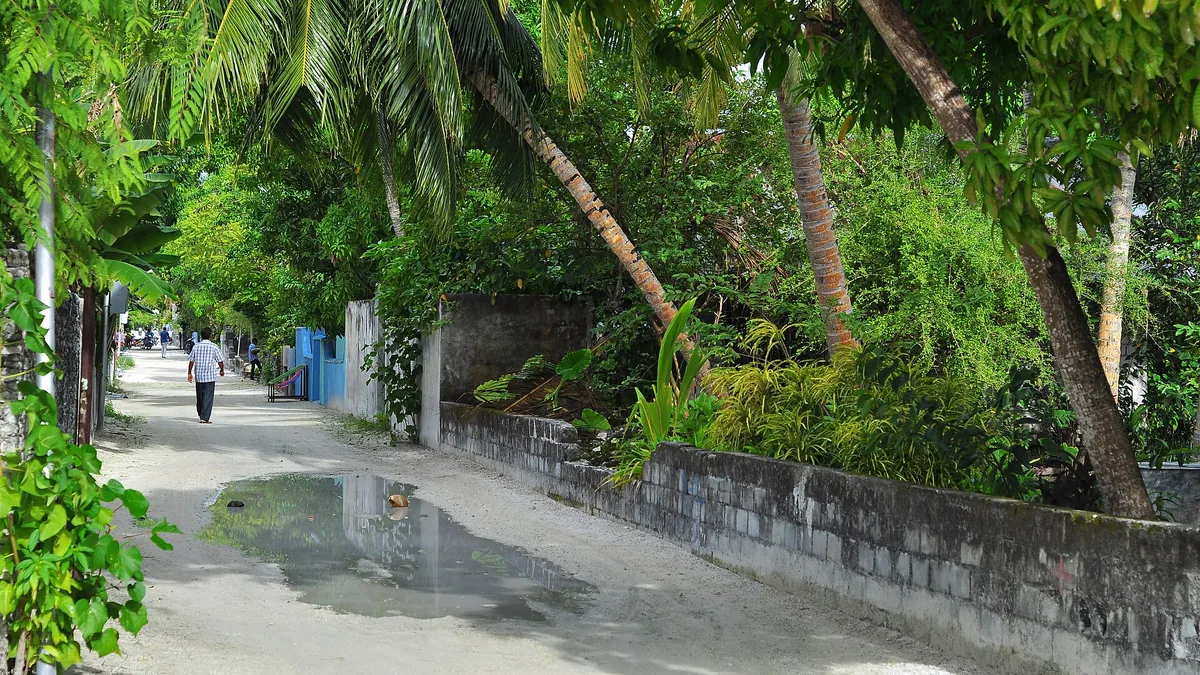
Islands are the closest thing to a controlled experiment in evolution: the same colonising species arrive, and then diverge according to what the island offers. The effect scales with isolation, which is why the most interesting islands — biologically and culturally — are almost always the hardest to reach. The same logic applies to tourism: the islands with the most distinctive character are usually the ones without an airport capable of taking a jet.
The mechanism, without the jargon.
Depends entirely on which monsoon or storm belt you are in. The general rule in Southeast Asia is to follow the dry coast: east side from May to September, west side from November to April. In the Atlantic and Caribbean, avoid September and October for hurricane risk.
Ferries, fast boats and small aircraft are the usual options, and all three get cancelled by weather. Schedules on remote islands are often weekly rather than daily, which means a missed boat costs several days rather than a few hours.
Marine park and island conservation fees are common and usually modest, though some of the more protected places charge substantial permits and limit daily visitor numbers. Liveaboard diving is priced per berth and includes almost everything.
Five worth building a trip around.
Yemen
Around a third of its plant species are found nowhere else, including the dragon's blood tree. The most alien-looking island in the Indian Ocean.
Indonesia
The most biodiverse marine environment measured on earth, with over 1,500 fish species and 75% of all known coral species.
Norway
A high Arctic archipelago where polar bears outnumber people in most areas and the sun does not set for months.
Southern Indian Ocean
One of the most remote inhabited islands anywhere, staffed by a handful of researchers and reachable only by supply ship.
Sri Lanka
Not an island, but a mist-covered range of near-vertical peaks where cloud forest survives in a rain shadow that makes no sense on paper.
Surtsey, Nishinoshima and Hunga Tonga. How submarine eruptions build new land, how fast it appears and how quickly the sea takes it back.
Skip the Bali crowds with the best undiscovered islands in Southeast Asia. Quiet beaches, coral reefs, and turquoise water in Indonesia, Thailand, Cambodia, Malaysia, and the Philippines.
Skip the Bali crowds with the best undiscovered islands in Southeast Asia. Quiet beaches, coral reefs, and turquoise water in Indonesia, Thailand, Cambodia, Malaysia, and the Philippines.
Twelve landscapes on Earth that look like other worlds. From Ethiopia's Danakil Depression and Bolivia's salt flats to Antarctica's dry valleys and Iceland's black sand deserts.