New Zealand's Great Walks: The Four Almost Nobody Books
Most hikers book the Routeburn and Milford. These four Great Walks get a fraction of the traffic with the same alpine and coastal scenery.
The densest concentration of accessible alpine and volcanic terrain you can reach on a normal holiday.
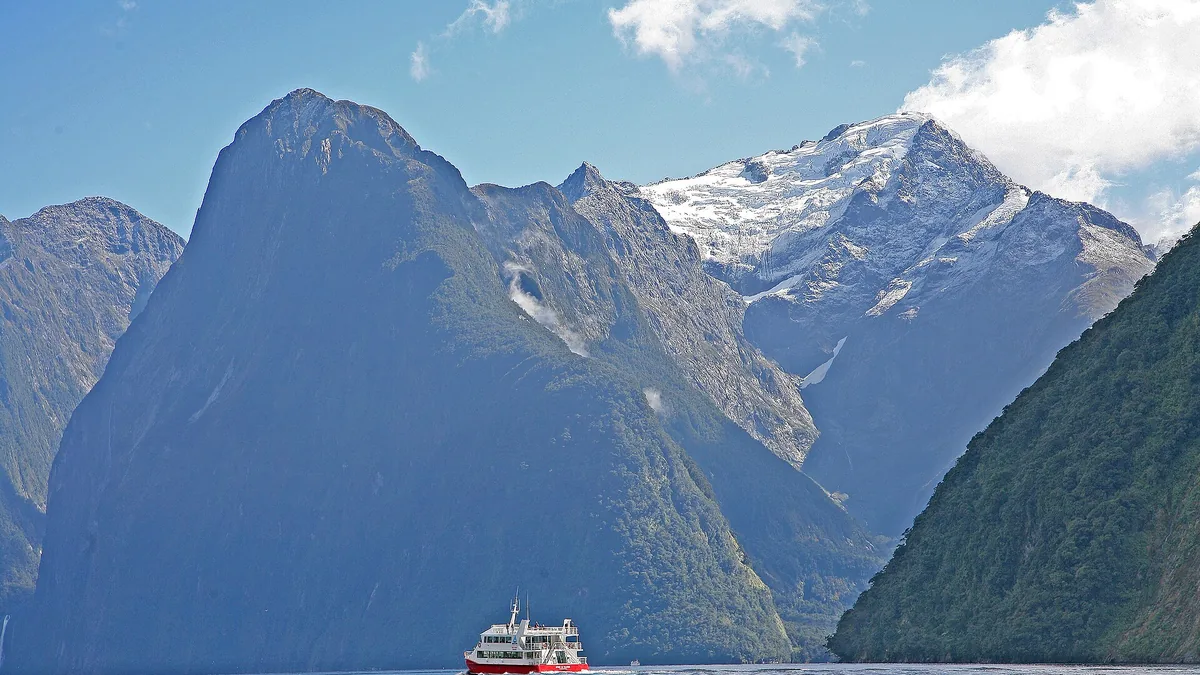
New Zealand's appeal is compression. Within a two-hour drive you can move from a subtropical beach to an active volcanic zone to a glaciated alpine range. The country's backcountry huts and Great Walks system means genuinely remote multi-day trips are available without expedition logistics, and the Department of Conservation maintains tracks, bridges and huts to a standard few countries match.
Reference facts for planning New Zealand.
Where the good months sit, and why.
December – February
The Great Walks season: huts are staffed, tracks are clear and the weather is as stable as it gets.
March – May
Stable weather, autumn colour in the South Island, thinning crowds and lower hut fees from May.
June – August
Ski season in the Southern Alps and the North Island volcanoes; lowland tracks stay walkable.
Months to think twice about: Assuming the Great Walks can be booked on arrival. Popular huts sell out within minutes of bookings opening, usually months ahead.
The places that justify the trip, and the guides we have written for them.
South Island
Milford, Routeburn and Kepler tracks through rainforest, alpine passes and fiords. This is the country's hiking centrepiece.
Canterbury, West Coast
Glaciers, 3,000 m peaks and the alpine village of Mount Cook. Guided glacier trips and serious mountaineering in one valley.
Central North Island
An active volcanic crossing with emerald lakes and a lunar plateau — walkable in a day, weather permitting.
North Island
Geothermal fields, mud pools and caldera lakes, plus some of the country's best mountain biking.
Visa-free for many nationalities; everyone else needs a visitor visa. A separate travel authority applies to some travellers.
Apply for the NZeTA through official Immigration New Zealand channels or the official mobile app only.
Rough per-person costs, excluding international flights.
Three ways to structure a trip, depending on how much time you have.
14 days
Christchurch, West Coast glaciers, Wanaka, Queenstown, Fiordland, back via Mount Cook. The classic.
10 days
Auckland, Coromandel, Rotorua, Tongariro crossing, Wellington. Good if you prefer geothermal scenery to alpine.
10 – 12 days
Two or three of the Great Walks connected by bus and shuttle — book huts first and build the itinerary around availability.
A rental car or campervan is the standard way to see the country. Intercity buses connect most towns; the domestic rail network is scenic but thin and slow. Many Great Walks require shuttle transport at one or both ends, which must be booked alongside your hut reservations.
New Zealand's mountains and rivers kill unprepared visitors every year. The weather can turn from warm sunshine to hypothermic conditions in an hour, and alpine rivers rise fast after rain. Tell someone your plan, carry the listed gear for the track you are on, and turn back early rather than late.
Long-form guides published for this destination.
Most hikers book the Routeburn and Milford. These four Great Walks get a fraction of the traffic with the same alpine and coastal scenery.
Discover beginner-friendly hiking destinations around the world with well-marked trails, reliable infrastructure, and stunning scenery.
The ten most dangerous hikes in the world, from Huashan's plank walk to Everest, and the preparation, gear, and judgment needed to survive them.