The Lakes That Vanish Every Year and Come Back: Seasonal Lakes Explained
Karst sinkholes, glacial outbursts and evaporating basins create lakes that drain and refill on a schedule. Where to see them and why it happens.
Where chemistry, biology and geology produce water in colours that look edited.
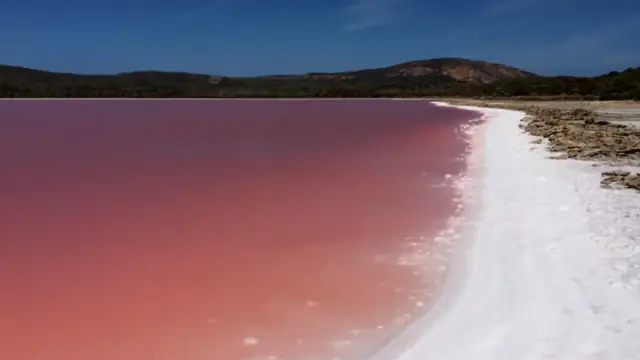
Lakes change colour for a small number of reasons, and all of them are measurable. Suspended glacial flour produces opaque turquoise. Algae and bacteria produce pinks and reds. Dissolved minerals and high salinity produce greens and yellows. Almost none of the famous coloured lakes are artificially coloured, and almost all of them are best understood from above, which is why so many became famous from satellite and aerial photography.
The mechanism, without the jargon.
Colour intensity often depends on season. Pink lakes are typically most vivid in dry, sunny periods when salinity and algal concentration are highest; glacial lakes are clearest and most turquoise in late summer, once the meltwater has settled.
Many are remote and best seen from the air; scenic flights are the standard way to see the famous pink lakes. Others have boardwalks and viewing platforms. Swimming is sometimes permitted and sometimes prohibited to protect the very organisms that create the colour.
Most natural lakes on public land are free. Developed viewpoints, boardwalks and national park entry carry the usual fees; scenic flights over remote lakes are the expensive option and usually the only way to see them properly.
Five worth building a trip around.
Western Australia
A bubblegum-pink lake separated from the ocean by a thin strip of sand. The colour persists in a bottle and is caused by halophilic algae, not by anything artificial.
Senegal
Pink from Dunaliella salina algae, and salt-harvested by hand by locals who work on the surface for hours a day.
Canada
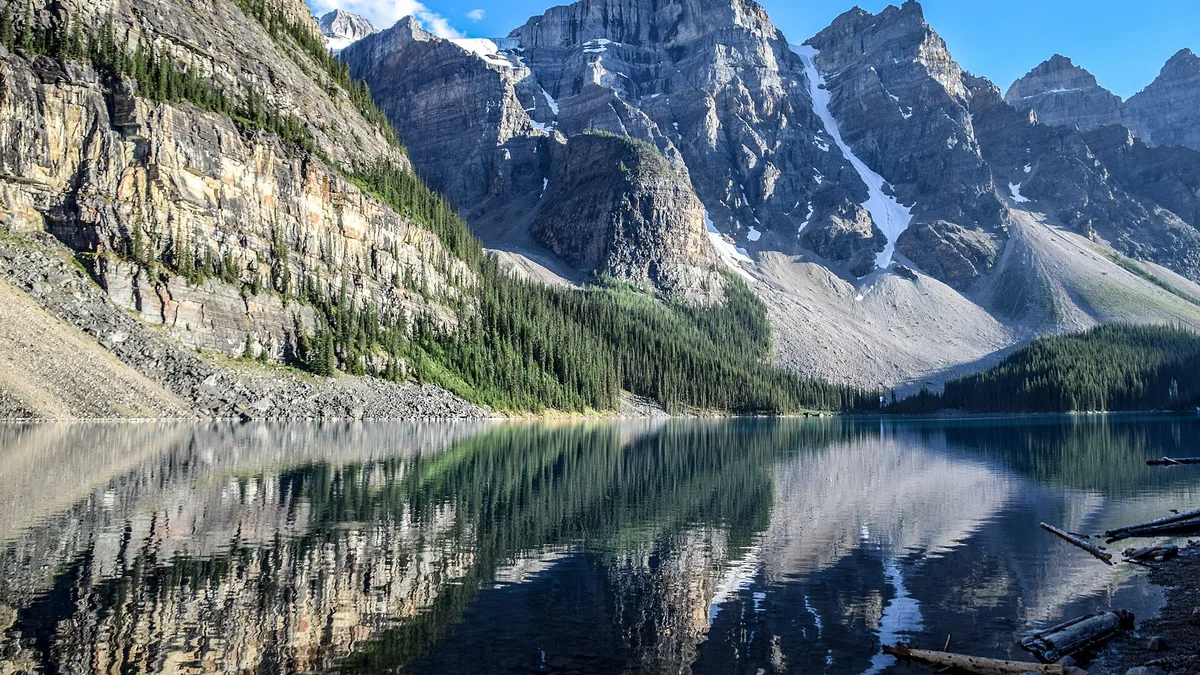
Rock flour from active glaciers produces a turquoise so saturated it looks dyed. Best in July and August when melt is peaking.
Bolivia
A shallow red lake at 4,300 m, tinted by algae and minerals, with flamingos feeding in the borax shallows.
Tanzania
Caustic, highly alkaline water with a pH near 10.5, where the surface reflects red and orange and flamingos nest on the salt crust.
Karst sinkholes, glacial outbursts and evaporating basins create lakes that drain and refill on a schedule. Where to see them and why it happens.
Why is Lake Hillier pink? Explore seven places where nature wears strange colors, from Australia's pink lake to Antarctica's Blood Falls and China's rainbow mountains.
Why is Lake Hillier pink? Explore seven places where nature wears strange colors, from Australia's pink lake to Antarctica's Blood Falls and China's rainbow mountains.
Twelve landscapes on Earth that look like other worlds. From Ethiopia's Danakil Depression and Bolivia's salt flats to Antarctica's dry valleys and Iceland's black sand deserts.