The risks that actually affect travellers are almost never the dramatic ones. They are road traffic, waterborne illness, altitude, heat, theft in predictable locations, and the ordinary accidents that happen when you are tired in an unfamiliar place. Every one of them responds to preparation, which is the useful thing about them.
Getting started
What to do first, in the order that matters.
Research the specific, current safety situation for the exact regions you will visit, not the country as a whole.
Get travel insurance that covers your activities, and save the emergency number in your phone before you leave.
Make two copies of your passport, stored separately from the original and from each other.
Know the emergency number for each country, and know how to describe where you are.
Trust a persistent bad feeling about a situation. It is usually processing information faster than you are.
Gear checklist
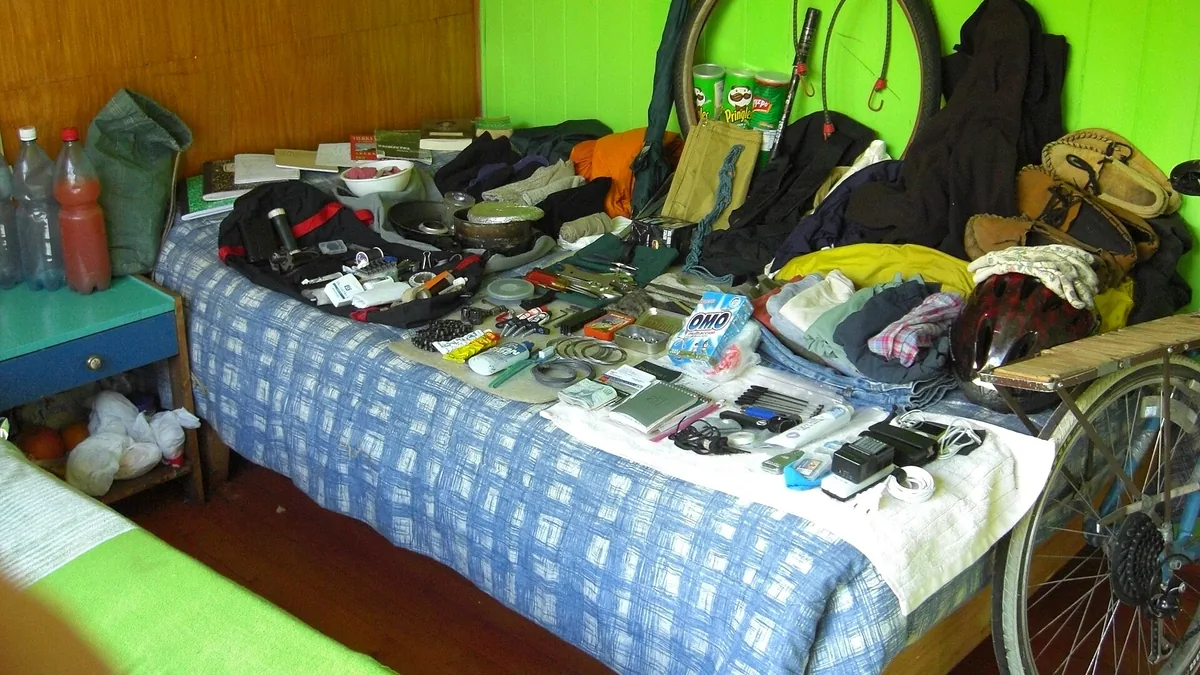
The items that genuinely earn their weight.
A basic first aid kit with blister care, rehydration salts and any personal medication
A power bank, because a dead phone removes your map, your payment and your contact list
A money belt or hidden pouch for the one day you need it
A whistle, which works in every country and needs no battery
A satellite messenger or personal locator beacon for anything genuinely remote
Water treatment: a filter, tablets, or a UV pen
Safety notes
What actually goes wrong.
Treat all tap water as unsafe unless you have confirmed otherwise for that specific place.
Altitude: ascend gradually, know the symptoms of acute mountain sickness, and treat descent as the cure.
Heat: drink before you are thirsty and add electrolytes if you are sweating heavily for hours.
Roads: most traveller deaths worldwide are road accidents. Avoid night buses and unmarked taxis.
Water: learn to recognise rip currents before you enter the sea anywhere unfamiliar.
Common mistakes
The ones we see repeated most often.
Assuming insurance covers the activity you are doing
Posting your location and accommodation in real time on public accounts
Carrying all cards, cash and passport in one bag
Ignoring the first mild symptoms of altitude sickness and continuing to ascend
Swimming at an unpatrolled beach because it looks calm
What to do if you get lost in the Amazon rainforest. The S.T.O.P. principle, finding water, building shelter, signaling rescue, and how to avoid getting lost.